


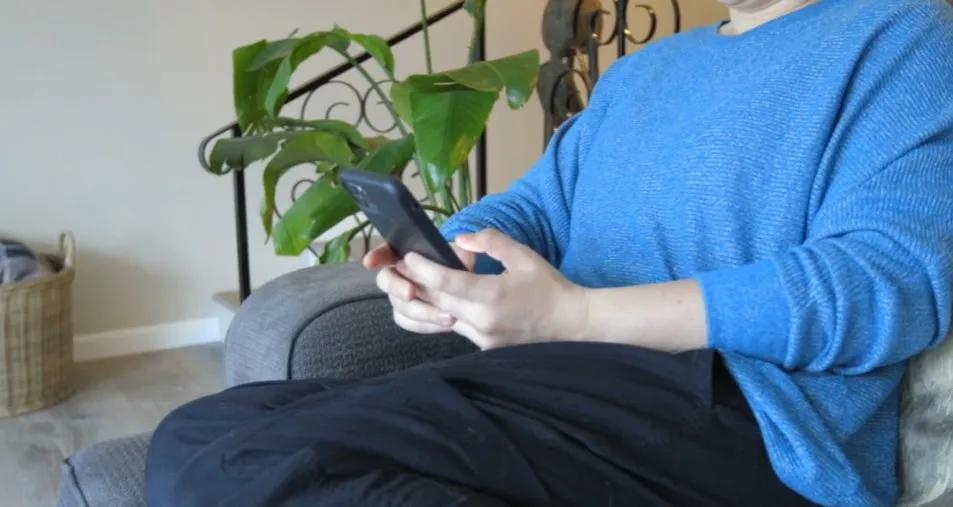
The Double-Edged Sword of Social Media: Navigating the Impact on Mental Well-being
In today’s hyper-connected world, social media has become an undeniable force, shaping how we communicate, consume information, and interact with the world around us. Millions of individuals spend hours each day scrolling through feeds, engaging with content, and connecting with others online. While these platforms offer a plethora of benefits, from fostering connections to accessing valuable information, the impact of social media on mental health is a complex and increasingly relevant issue. Experts like Dr. Susan Albers, PsyD, a psychologist at Cleveland Clinic, emphasize the importance of understanding both the positive and negative aspects of social media engagement to cultivate a healthy relationship with these platforms.
One of the key benefits of social media lies in its ability to combat loneliness and foster a sense of belonging. For individuals struggling with geographical isolation, disabilities, or social anxiety, online platforms can provide a vital lifeline to connect with like-minded individuals and maintain social connections. Online groups and communities offer spaces for people to share experiences, find support, and feel seen and understood. Used with intention, social media can strengthen existing relationships and help individuals stay connected with loved ones, offering a bridge across geographical distances and busy schedules. However, the line between healthy connection and unhealthy dependence can be blurry, and it’s crucial to be mindful of how social media usage impacts overall well-being.
While social media can foster connection, it also holds the potential to trigger negative emotional states, particularly when used excessively or without intention. The curated and often-filtered nature of online content can create unrealistic expectations and fuel social comparison. Dr. Albers highlights the dangers of comparing oneself to the polished and idealized versions of others often presented on social media, which can lead to feelings of inadequacy, low self-esteem, and even anxiety and depression. The constant exposure to seemingly perfect lives and achievements can erode self-worth and create a distorted perception of reality.
The sheer volume of time spent on social media is another critical factor influencing mental health. Studies indicate a correlation between excessive social media use and increased rates of anxiety and depression. Dr. Albers notes that individuals who spend more than two hours per day on social media are at higher risk for these mental health challenges. This increased risk is partly attributed to the potential for social comparison and competition that can arise from excessive online engagement. When social connection morphs into a platform for comparison and vying for validation, the negative impacts on mental well-being become more pronounced.
Recognizing the potential pitfalls of social media overuse is crucial for maintaining a healthy relationship with these platforms. Dr. Albers recommends taking regular digital detoxes, stepping away from screens, and engaging in activities that promote mental well-being. Spending time in nature, enjoying fresh air and sunshine, and focusing on hobbies and activities that bring joy can help individuals refocus and reconnect with themselves and the world around them. These breaks from the digital realm can be particularly beneficial in mitigating the negative effects of social comparison and excessive online engagement.
Ultimately, cultivating a healthy relationship with social media requires mindful usage and a conscious awareness of its potential impacts. By focusing on genuine connection, limiting exposure to triggering content, and prioritizing real-world interactions, individuals can harness the benefits of social media while minimizing its potential drawbacks. Regular digital detoxes and a conscious effort to cultivate offline activities can further enhance mental well-being and foster a more balanced and fulfilling life. The key is to use social media as a tool for connection and positive engagement rather than allowing it to become a source of comparison, anxiety, and discontent.