


The Hidden Cost of Late-Night Scrolling: How Social Media Engagement Disrupts Sleep
In today’s hyper-connected world, sleep deprivation has become a pervasive public health issue, particularly among young adults and adolescents. While the conventional wisdom often points to screen time as the primary culprit, emerging research suggests that the true antagonist may lie in the way we engage with social media at night. The constant connectivity, emotional investment, and addictive nature of social platforms create a perfect storm that disrupts our sleep patterns and jeopardizes our overall well-being. This intricate relationship between social media and sleep demands a closer look, moving beyond simplistic notions of screen time and delving into the nuanced ways our online interactions affect our ability to rest.
While the negative impacts of insufficient sleep – from impaired cognitive function and emotional regulation to increased risks of chronic illness – are well-documented, the specific role of social media in this epidemic is often overlooked. Conventional advice to “avoid screens before bed” falls short of addressing the complex interplay between our digital habits and our sleep hygiene. It’s not merely the screen itself that keeps us awake, but the nature of our engagement with social media. The constant stream of information, the pressure to stay connected, and the emotional rollercoaster of online interactions create a state of heightened arousal that makes it difficult to unwind and prepare for sleep.
Studies are increasingly revealing that the emotional connection we have with social media holds greater sway over our sleep quality than the sheer duration of screen time. Frequent checking, emotional investment, and the tendency to compare ourselves to others online fuel a cycle of anxiety and arousal that interferes with our natural sleep patterns. This emotional entanglement, combined with the addictive design of social media platforms, keeps us hooked and scrolling long past our intended bedtimes. The fear of missing out (FOMO) further exacerbates this cycle, creating a sense of urgency to stay connected and making sleep feel like a secondary priority.
The mechanisms by which social media disrupts sleep are multifaceted. Doomscrolling, the act of endlessly consuming negative or distressing content, keeps the brain in a state of hyper-vigilance, making it difficult to relax and transition into sleep. Similarly, exposure to emotionally charged content – from political debates to personal dramas – triggers physiological arousal that delays sleep onset. The curated perfection often displayed on social media platforms fuels upward social comparison, leading to feelings of inadequacy and anxiety that further interfere with sleep.
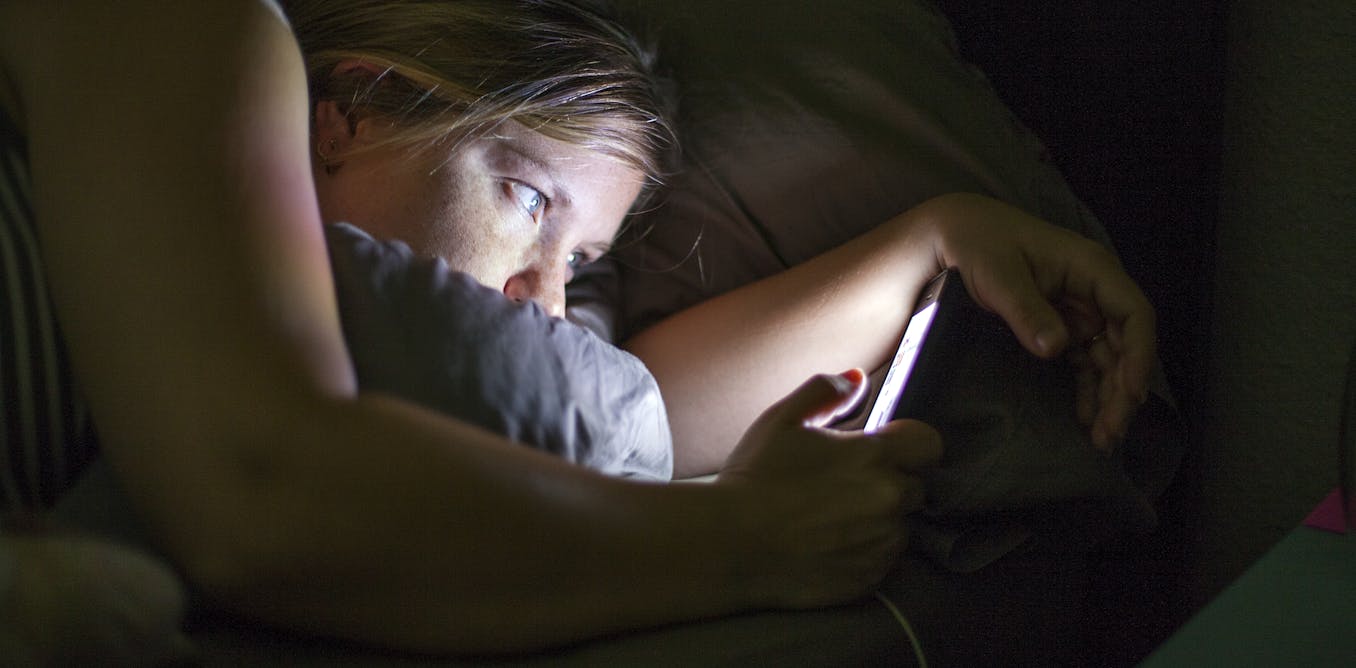
Moreover, the habitual checking of social media, particularly after lights out, solidifies a destructive pattern of bedtime procrastination. This behavior reflects a disconnect between our intentions and our actions, where we prioritize immediate gratification over the long-term benefits of adequate sleep. The constant anticipation of notifications and updates reinforces this cycle, making it increasingly difficult to disconnect and prioritize restful sleep. In essence, social media transforms from a passive distraction into an active barrier to sleep, subtly rewiring our brains and undermining our well-being.
Fortunately, reclaiming control over our sleep doesn’t necessitate abandoning social media altogether. The key lies in restructuring our engagement with these platforms, particularly in the hours leading up to bedtime. Implementing evidence-based strategies can help us break free from the grip of late-night scrolling and cultivate healthier sleep habits. One crucial step is to create a buffer zone before bed, avoiding emotionally charged content for at least 30-60 minutes prior to sleep. This allows the mind to unwind and transition into a more relaxed state conducive to sleep.
Establishing clear boundaries between social media and sleep is paramount. This might involve setting devices to “Do Not Disturb” mode, leaving phones outside the bedroom, or implementing app timers to limit usage. Cultivating awareness of our scrolling habits is also crucial. Pausing to ask ourselves, “Do I actually want to be on this app right now?” can disrupt the mindless cycle of refreshing and scrolling, enabling us to make more conscious choices about how we spend our time.
The pervasive nature of social media in modern life necessitates a shift in our approach to sleep hygiene. Recognizing the subtle yet profound ways in which our online interactions affect our sleep is the first step towards reclaiming control over our rest and well-being. By implementing mindful strategies and prioritizing healthy sleep habits, we can navigate the digital landscape without sacrificing the restorative power of a good night’s sleep. This requires a conscious effort to disentangle ourselves from the allure of late-night scrolling and cultivate a more balanced relationship with technology.
Addressing the social media-sleep disruption nexus requires a multifaceted approach that goes beyond simple screen time restrictions. It involves understanding the psychological mechanisms at play, recognizing the addictive nature of social media, and implementing strategies to mitigate its impact on our sleep. This necessitates a shift in mindset, from viewing social media as a harmless pastime to acknowledging its potential to disrupt our sleep and overall well-being. By fostering awareness, setting boundaries, and prioritizing healthy sleep habits, we can regain control over our nighttime routines and reap the numerous benefits of restorative sleep.
The impact of social media on sleep extends beyond individual well-being and poses significant public health concerns. The widespread prevalence of sleep deprivation, fueled in part by our digital habits, contributes to a range of physical and mental health problems. Addressing this issue requires a concerted effort from individuals, families, educators, and policymakers. Promoting digital literacy, encouraging healthy sleep hygiene practices, and developing interventions to manage social media use are crucial steps towards mitigating the negative consequences of this pervasive issue.
The research on social media and sleep highlights the importance of a holistic approach to well-being. Our physical and mental health are intricately interconnected, and our digital habits play a significant role in shaping both. By cultivating a mindful and balanced relationship with technology, we can harness its benefits without sacrificing our sleep and overall well-being. This requires ongoing reflection, self-awareness, and a commitment to prioritizing healthy habits in our increasingly digital lives.
The ongoing evolution of social media platforms necessitates continuous research and adaptation of our strategies for managing their impact on sleep. As new features and trends emerge, it’s essential to stay informed about their potential consequences and develop proactive strategies to protect our sleep. This involves staying abreast of research findings, engaging in open conversations about healthy digital habits, and advocating for policies that promote responsible technology use.
Ultimately, navigating the digital age requires a nuanced understanding of the complex interplay between technology, behavior, and well-being. By acknowledging the subtle yet powerful ways in which social media can disrupt our sleep, we can empower ourselves to make informed decisions about our digital habits and prioritize the restorative power of a good night’s rest. This requires an ongoing commitment to self-care, a willingness to adapt to the ever-changing digital landscape, and a proactive approach to safeguarding our sleep in the face of constant connectivity.