


The Information War Threatening Southern African Democracies
A surge of misinformation and disinformation is destabilizing Southern Africa, eroding trust in democratic institutions and fueling societal divisions. This "infodemic," amplified by deliberate policy changes from major social media platforms, is being weaponized by right-wing, anti-democratic forces to spread falsehoods, normalize hate speech, and undermine governance. The consequences are tangible, impacting everything from political stability to fundamental human rights. Melusi Simelane, Civic Rights Cluster Programme manager at the Southern Africa Litigation Centre, warns that this crisis is not merely about misleading content but poses an existential threat to democracy itself.
Social media platforms, particularly X (formerly Twitter) and Meta, have played a significant role in this crisis. Their decisions to relax content moderation and remove fact-checking mechanisms have created fertile ground for the proliferation of harmful narratives. This laissez-faire approach has dire consequences, particularly in developing nations like those in Southern Africa where media literacy is often low and access to credible information is limited. The weakening of these safeguards empowers extremist groups to exploit the digital landscape, spreading xenophobic, homophobic, and racist rhetoric with impunity. The very algorithms designed to maximize engagement prioritize sensationalized falsehoods over verified truth, amplifying the voices of extremists while silencing those advocating for justice and human rights.
The intersection of misinformation, disinformation, and hate speech is a deliberate strategy to distort reality and incite division. The case of Jon Qwelane in South Africa exemplifies the dangers of unchecked hate speech. Qwelane’s homophobic column in 2008, though ultimately deemed hate speech by the South African Constitutional Court, served as a stark warning of how such rhetoric can reinforce dangerous stereotypes and embolden discrimination. Similar tactics are resurfacing today, often masquerading as free speech, to push anti-human rights agendas and erode democratic norms. The fight against hate speech and misinformation is far from over, requiring constant vigilance and robust legal frameworks.
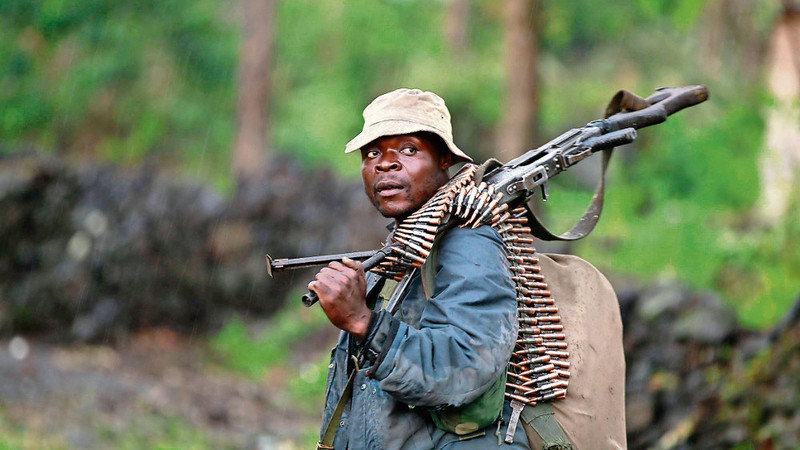
The consequences of this information war extend beyond social commentary. Disinformation is increasingly being used to incite violence, destabilize governments, and undermine democratic principles. The ongoing conflict in the Democratic Republic of Congo highlights how misleading narratives can inflame regional tensions, particularly between SADC and EAC nations. Similar tactics are being employed in South Africa, where right-wing organizations have spread false claims about the Expropriation Act, fueling racial divisions and economic panic. This manipulation of information represents a clear and present danger to regional stability.
Addressing this complex crisis requires a multifaceted approach. It demands coordinated action from governments, civil society organizations, media institutions, and international stakeholders. Stronger regulatory frameworks are crucial to hold social media corporations accountable for the content they allow to proliferate on their platforms. Governments must resist the temptation to exploit misinformation for political gain and instead invest in strengthening independent journalism and promoting digital literacy programs. Empowering citizens to critically evaluate information and identify misinformation is vital in combating this threat.
The stakes are high. If this infodemic remains unchecked, it risks plunging young democracies into chaos and undermining the foundations of governance. However, by working together and holding digital platforms, political leaders, and propagandists accountable, it is possible to turn the tide. Strengthening democratic institutions, promoting media literacy, and fostering a culture of critical thinking are essential to safeguarding the future of democracy in Southern Africa and beyond. The time for action is now.