








The Kremlin’s Shadow War: How Russia is Using History to Weaponize Polish-Ukrainian Relations
WARSAW — In the pantheon of historical grievances that have shaped Central and Eastern Europe, few wounds run as deep as the Volhynia massacre, a dark chapter of ethnic cleansing that occurred during the catastrophic maelstrom of World War II. Now, decades later, Polish authorities are sounding the alarm that this painful history is being deliberately weaponized once more, not by a resurgent German threat or internal European rival, but by the merciless calculus of the Kremlin’s intelligence apparatus. The Soviet playbook of divide and conquer has been replaced by a more sophisticated, digitally savvy operation designed to exploit the darkest chapters of the past in a bid to control the geopolitical future. Amidst the bloodshed currently being visited upon Ukraine by Russian forces, Moscow is quietly waging a parallel war on the information front, seeking to shatter the remarkable but seemingly fragile unity between Warsaw and Kyiv.
The conflict, largely invisible to the untrained eye, revolves around the brutal events of 1943-1945 when the Ukrainian Insurgent Army (UPA), under the command of metropolitans like Dmytro Klyachkivsky, orchestrated a campaign of ethnic cleansing against the Polish civilian population in the eastern borderlands that had once been a thriving center of Polish culture. Estimates suggest that anywhere from 30,000 to 100,000 Poles were systematically killed in retaliation for similar, if smaller-scale, attacks, with women, children, and the elderly subjected to unimaginable cruelty, often through the use of traditional Ukrainian scythes and farm tools in an effort to preserve ammunition. The massacre, which peaked on July 11, 1943, on the so-called “Bloody Sunday,” has never been officially acknowledged by the Ukrainian government as an act of genocide, a legal classification that remains fiercely contested. For decades, the event was the third rail of Polish-Ukrainian relations, a history so heavy that even democratic leaders feared to touch it, leaving the bodies of victims to lie in unmarked graves in the forests of Volyn and Galicia, their ghosts haunting the modern political landscape.
The stalemate over historical memory has now been violently injected into the heart of Europe’s ongoing geopolitical confrontation. The heroics of Ukrainian President Volodymyr Zelenskiy in rallying the free world against Russian aggression are undisputed, yet his government has recently made moves that Polish officials describe as deliberately provocative, further inflaming already raw nationalist sentiment in both countries. Zelenskiy, a former comedian unencumbered by historical baggage, has faced intense domestic pressure to assert Ukrainian national pride, which often translates into a rigid defense of the UPA, a group that is rightly celebrated in Kyiv as Soviet resistance fighters but rightly condemned in Warsaw as Nazi collaborators and ethnic cleansers. This balancing act has cracked the veneer of Slavic solidarity just as Moscow seeks to exploit every fracture, with Polish intelligence services now warning that the Kremlin is actively seeding these disputes with inflammatory narratives designed to spike a rise in xenophobic, nationalist mobilization ahead of the critical upcoming Polish parliamentary elections.
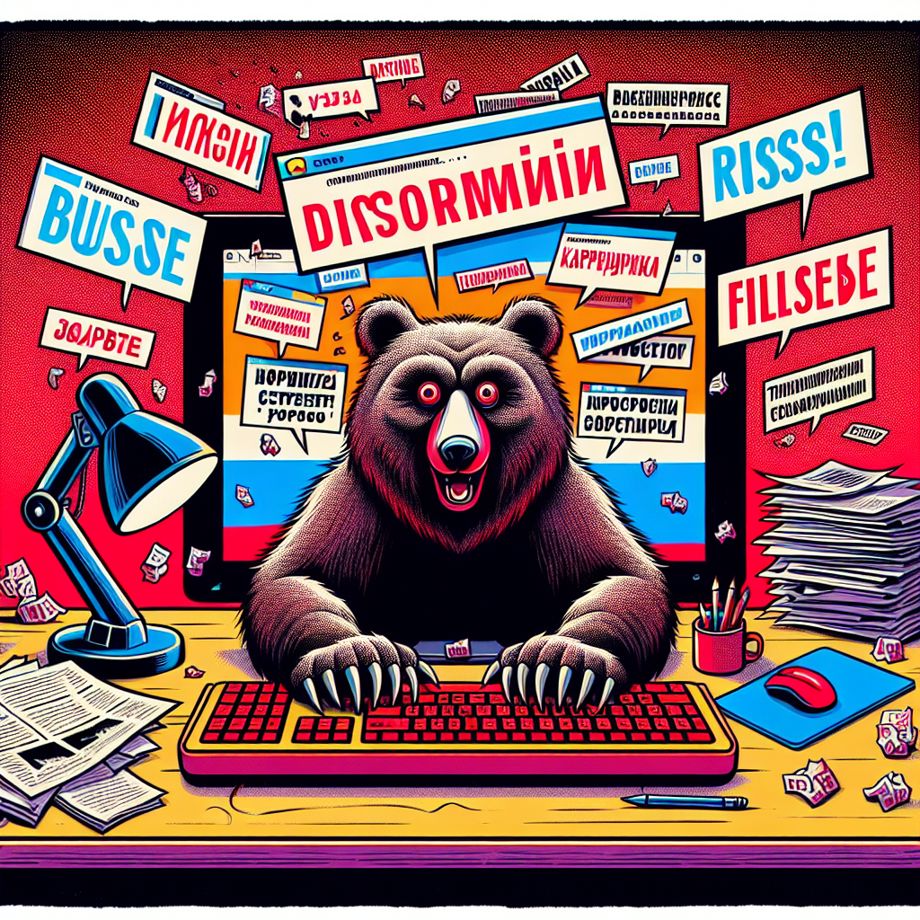
The scale of the Kremlin’s informational push is vast, representing a dramatic escalation from the previous pattern of occasional diplomatic spats. Polish cybersecurity agencies have documented a surge in bot networks and automated social media accounts targeting Polish users on platforms like X (formerly Twitter), Facebook, and local platforms like Wykop, all designed to spread anti-Ukrainian memes and misinformation. State-aligned Russian media, including RT and Sputnik, have dropped all pretense of neutrality, publishing unvarnished, historically distorted articles claiming that the UPA was a righteous force fighting against Polish chauvinism, a cynical manipulation of a complex conflict that saw both Ukrainians and Poles commit unforgivable atrocities. These narratives are not only reaching Polish audiences but are being actively shared by far-right Polish politicians who see an opportunity to mobilize voters through a toxic cocktail of fear and ethnic resentment. The Polish Ministry of Interior’s cyber chief, Karol Okon, has warned that this is one of the most aggressive military-grade information warfare campaigns ever directed at the country, tantamount to a declaration of digital war without firing a single shot.
Nowhere is the Kremlin’s work more visible and dangerous than in its impact on the upcoming general election, expected to take place in the autumn of 2025. Poland’s right-wing Law and Justice (PiS) government, currently trailing in some polls against the centrist Civic Platform, faces a genuine dilemma. While it has been a staunch ally of Kyiv, hosting over a million Ukrainian refugees and providing critical humanitarian and military support, the government is increasingly feeling the heat from its own far-right fringes to take a harder line on what is framed as Ukrainian ungratefulness. Warsaw has been locked in a bitter dispute with Kyiv over the quality of Ukrainian grain, imports of which Polish farmers claim are undercutting local produce prices, along with an unresolved dispute over the exhumation of victims of the Volhynia massacre, which Poland demands as a precondition for full NATO membership for Ukraine. The Kremlin is watching this with predatory glee, actively amplifying anti-Ukrainian and anti-Western rhetoric among Polish nationalists online, hoping to push PiS, or whatever coalition eventually emerges, into a more isolationist, pro-Moscow position that would deprive Ukraine of its most vital lifeline.
The historical parallel to the era of appeasement is not lost on diplomats in Warsaw, who recall that the last time Poles fought a desperate war for national survival, they were brutally betrayed by both Stalin and Hitler. This time, the fear is more existential: if Russia succeeds in destabilizing Poland from within, it would dismantle the Eastern European consensus that has been the vanguard of NATO’s eastern flank and EU unity. The Kremlin does not need to conquer Polish territory; it simply needs to make Poland uninhabitable for democracy, drowning government institutions, media, and public discourse in a fog of mutually exclusive, weaponized histories. It is a cynical ploy designed to convince tired, frustrated Polish citizens that the government in Ukraine is exactly the same as the Russian fascists, and that the only proper response is to retreat from Europe and embrace a hybrid form of political isolationism. The ultimate goal is to ensure that Poland becomes so bogged down in internal squabbles and historical revisionism that it is incapable of assisting Ukraine in its time of need, thereby handing Moscow the strategic victory it failed to achieve on the battlefield.
The path forward for Warsaw and Kyiv lies not in succumbing to historical amnesia, but in pursuing a mature, nuanced foreign policy that can handle the weight of history without being crushed by it. Pope John Paul II, a Pole who understood the dark capacity of totalitarianism, long ago stressed the importance of forgiveness, but true reconciliation in the post-Soviet space starts with truth and a willingness to acknowledge the pain of one’s neighbor, however difficult that may be. Polish Prime Minister Donald Tusk, who has survived a set of deeply personal attacks online, has called for more robust European security mechanisms to counter cyber threats, but the ultimate defense lies in public education and resilience. Voters must be taught that the horrors of the Volhynia massacre were not the actions of a Ukrainian nation but the crimes of radical nationalists, just as they must recognize that the current Russian regime, not the Russian people, is the aggressor in this conflict. The greatest victory for those in Moscow scheming in the shadows would be for Poles and Ukrainians to doubt each other’s friendship once more, ensuring the perpetual enmity that has so often bled these lands throughout their shared, yet tragic, history. The world is watching, and it is watching to see if the ghosts of 1943 can be exorcised to save a European future worth fighting for as much as the land itself.


