


A 15-Hour Standoff in Lewisham: How Social Media Fueled Misinformation and Fear
A dramatic 15-hour standoff between armed police and a knife-wielding man in Lewisham, London, unfolded in the glare of social media, with TikTok and X (formerly Twitter) becoming primary sources of information – and misinformation – for many. The incident, which began with a man brandishing a knife from his flat window, quickly captured the attention of online audiences worldwide, with some live streams accumulating over a million views. While social media provided real-time updates, it also became a breeding ground for inaccurate and sensationalized claims, highlighting the challenges of verifying information in the fast-paced world of online reporting.
The power of social media was evident in the way local residents followed the events. Several individuals interviewed by Eastlondonlines at the scene admitted to monitoring the situation entirely through live streams from their homes, primarily via TikTok. This reliance on social media for real-time updates raises questions about the changing landscape of news consumption and the potential for misinformation to spread unchecked. While traditional news outlets worked to verify information and provide accurate reporting, social media users often jumped to conclusions based on limited or unverified information.
The incident was riddled with misinformation from the outset. False claims circulated online, alleging that the suspect possessed a gun and had taken hostages. One video, potentially posted by the suspect himself on Snapchat, showed a man in a robe attempting to enter another property in the building, further fueling speculation. This video, while unconfirmed, contributed to the narrative of a hostage situation, despite police later confirming the man was alone in his flat. The rapid spread of these unverified claims underscored the difficulty of controlling narratives in the online sphere.
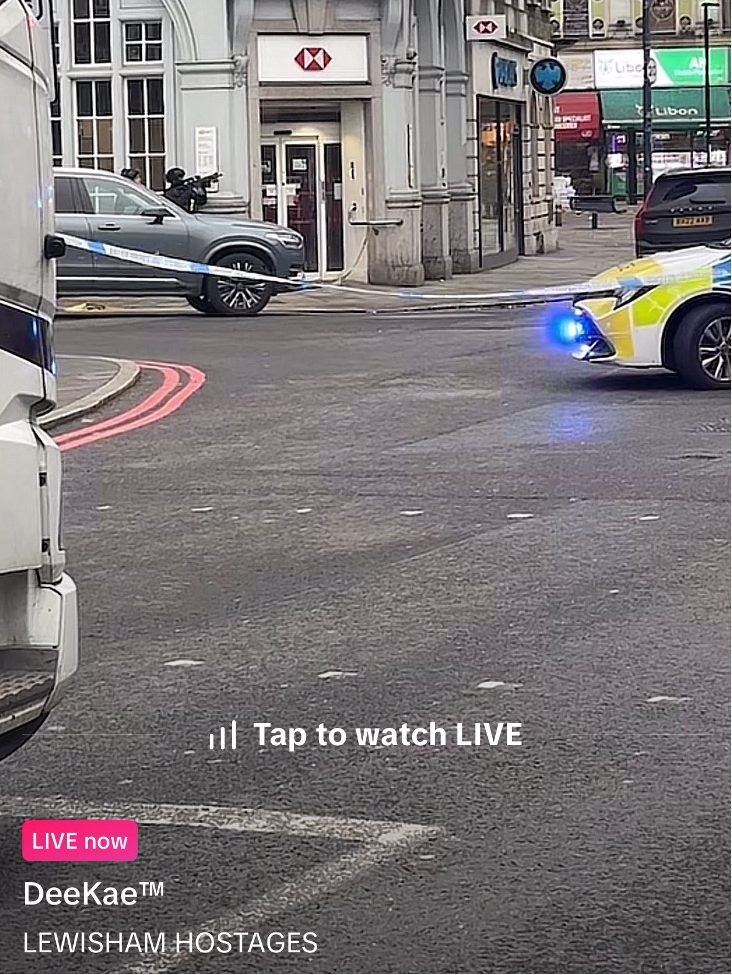
Further amplifying the misinformation were comments and captions on social media posts. One TikTok live stream, captioned "LEWISHAM HOSTAGES," garnered almost 200,000 views and sparked a flurry of comments, including false claims about hostages taken from a nearby bank. Screenshots of this live stream were shared on X, generating alarm and concern among users who questioned the platform’s role in disseminating unverified information. This incident highlights the potential for even seemingly innocuous captions and comments to contribute to the spread of misinformation, especially in high-tension situations.
The spread of misinformation wasn’t limited to individual users. Several X users with significant followings shared unverified claims, further amplifying the false narrative. One user, whose initial tweet garnered 1.8 million views, mistakenly reported an armed robbery and hostage situation based on a screenshot of a HSBC branch near the incident. While the user later issued a correction, the initial tweet had already reached a vast audience, demonstrating the viral nature of misinformation and the difficulty of retracting inaccurate statements once they are in circulation.
The incident in Lewisham serves as a stark reminder of the pervasiveness of misinformation online. Research from The Alan Turing Institute indicates that the vast majority of UK residents have encountered misinformation, yet many lack the skills to identify and counter false claims. This case exemplifies the difference between misinformation (unintentionally spreading false information) and disinformation (deliberately creating and spreading false information). While much of the misinformation surrounding the Lewisham standoff appears unintentional, its impact was significant, fueling fear and anxiety in an already tense situation.
The rapid spread of misinformation surrounding the Lewisham standoff underscores the challenges of navigating the digital age, where information, both accurate and inaccurate, spreads at an unprecedented pace. The incident highlights the need for increased media literacy among social media users, as well as the responsibility of platforms to combat the spread of false information. While social media can provide valuable real-time updates, it is crucial to approach online information with a critical eye and rely on verified sources for accurate reporting. The Lewisham incident ultimately resolved peacefully, with the man detained and taken to hospital without any hostages or injuries. However, the digital aftermath of the incident serves as a cautionary tale about the dangers of misinformation and the importance of responsible social media consumption.