


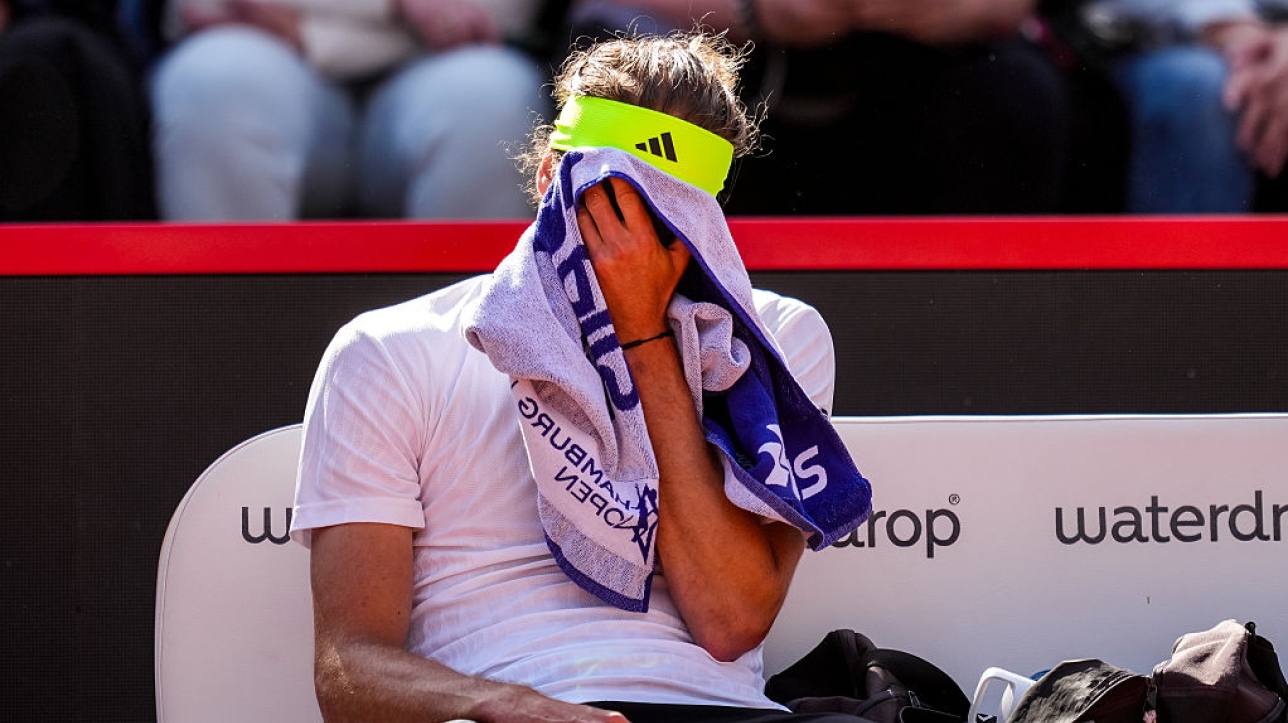
The Unseen Battle: Alexander Zverev and the Pervasive Toxicity of Online Abuse in Professional Sports
The roar of the crowd, the thrill of victory, the agony of defeat – these are the elements that traditionally define the life of a professional athlete. But in the digital age, a new and insidious opponent has emerged: the relentless barrage of online abuse. German tennis star Alexander Zverev, currently ranked third in the world, has bravely stepped forward to expose the dark underbelly of social media, revealing the staggering volume of hate and vitriol directed at athletes, often with devastating consequences. His candid revelations come just days before his highly anticipated French Open match against American player Learner Tien, casting a shadow over what should be a celebratory moment in his career.
Zverev’s experience is far from unique. Across the sporting world, athletes are increasingly subject to a torrent of online harassment, ranging from casual insults to targeted threats and personal attacks. The anonymity afforded by the internet empowers keyboard warriors to unleash their negativity with impunity, creating a toxic environment that can severely impact an athlete’s mental health and well-being. The pressure to perform at the highest level is already immense, but the added burden of navigating this digital minefield can be overwhelming, even for seasoned professionals like Zverev. The constant scrutiny, the unfair criticism, and the relentless negativity can erode confidence, fuel anxiety, and ultimately detract from an athlete’s ability to focus on their craft.
"We get a lot of hate," Zverev stated plainly in a pre-tournament interview, highlighting the pervasiveness of the problem. He emphasized the insidious nature of the abuse, particularly through hidden and direct messages, where individuals can spew their venom without fear of public reprisal. This constant barrage of negativity can be particularly damaging when athletes are struggling with personal challenges or injuries, as Zverev himself has experienced. He shared his frustration at being unfairly targeted during periods of injury, when his performance inevitably dips, demonstrating the lack of empathy and understanding often displayed by online critics.
The anonymity of the internet allows these individuals to detach from the human consequences of their words, treating athletes as mere objects of entertainment rather than individuals with feelings and vulnerabilities. This dehumanization is at the heart of the problem, fostering an environment where cruelty and negativity thrive. While some may argue that athletes should simply ignore these online attacks, the sheer volume and intensity of the abuse can make it impossible to tune out completely. The constant bombardment can chip away at an athlete’s self-esteem and create a sense of isolation, even when surrounded by a supportive team and family.
Zverev’s decision to speak out is a crucial step in raising awareness about the pervasive nature of online abuse in professional sports. His courage in sharing his personal experiences sheds light on the hidden struggles of athletes who often suffer in silence, fearing that speaking out will only invite more criticism. By bringing this issue to the forefront, Zverev is encouraging a much-needed conversation about the responsibility of social media platforms to create safer and more respectful online environments. It also highlights the need for greater support systems for athletes, equipping them with the tools and resources to navigate the challenges of online harassment.
As Zverev prepares to take to the clay courts of Roland Garros, his focus will undoubtedly be on reclaiming his top form and making a deep run in the tournament. He has a history of success at the French Open, reaching the semi-finals in the last four editions, including a thrilling five-set final against Carlos Alcaraz last year. But beyond the on-court battles, Zverev is also fighting a larger battle against the pervasive toxicity of online abuse. His willingness to speak out is a testament to his resilience and his commitment to creating a more positive and respectful environment for athletes everywhere. The tennis world, and indeed the wider sporting community, will be watching closely, not just for his performance on the court, but also for the impact of his words in the ongoing fight against online hate.