


The Crushing Weight of Online Trends: How Mockery and the Quest for Validation Impact Girls’ Mental Health
In today’s hyper-connected world, social media trends dictate what’s "in" and what’s "out," creating immense pressure, particularly for young girls, to conform and stay relevant. This relentless pursuit of online validation, fueled by the fear of mockery and judgment, takes a significant toll on their mental well-being. The constant bombardment of idealized images and viral challenges can lead to feelings of inadequacy, anxiety, and depression, as girls struggle to measure up to unrealistic expectations.
Adolescence, a crucial period for identity formation, is profoundly influenced by social acceptance. As young girls navigate this vulnerable stage, the online world, with its emphasis on appearance and popularity, can distort their self-perception and erode their self-esteem. Social media platforms, often showcasing heavily edited and filtered content, perpetuate unrealistic beauty standards and contribute to the rise of "perfection culture." This constant exposure to flawless images makes it difficult for girls to accept their own unique qualities and embrace their natural selves. The resulting body image issues and feelings of inadequacy can have long-lasting consequences on their mental health.
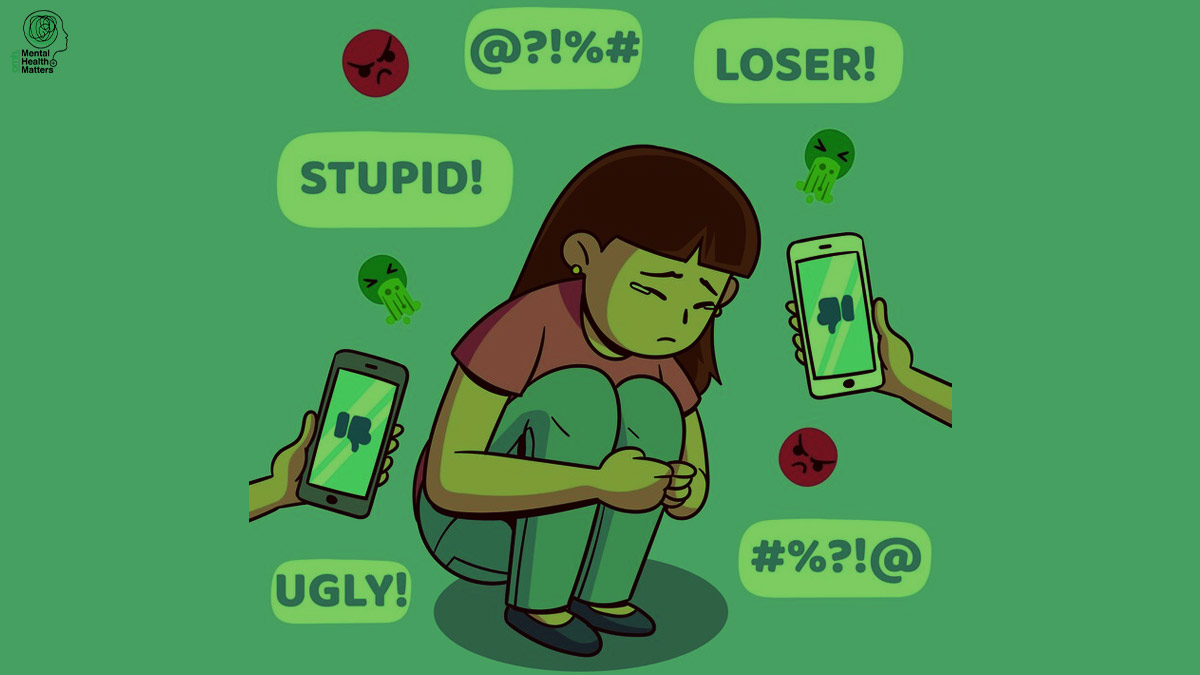
The pervasive nature of social media also fosters constant comparisons, where girls measure their worth against the curated lives of others. The pressure to conform to online trends, whether it’s a particular fashion style, a viral dance challenge, or an extravagant lifestyle, can be overwhelming. This constant striving for validation through likes, shares, and comments creates a toxic environment where self-esteem becomes contingent on external approval. When girls fall short of these unrealistic standards or face online mockery, they experience feelings of isolation, embarrassment, and a deep sense of inadequacy.
The fear of judgment and the potential for online ridicule can also prevent girls from fully engaging in online communities and expressing their true selves. This reluctance to participate can hinder their personal growth and limit opportunities for meaningful connections. The constant exposure to negativity and the pressure to maintain a flawless online persona can lead to stress, sleep disturbances, and an increased risk of anxiety and depression. The pursuit of viral fame, while tempting for some, can also be a dangerous game. The quest for online validation can quickly spiral into an unhealthy obsession, with devastating consequences for mental well-being when met with mockery and criticism.
The impact of online trends and the relentless pressure to conform are not just fleeting concerns; they have tangible and lasting effects on girls’ mental health. Body image issues, anxiety, depression, and a diminished sense of self-worth are just some of the potential consequences. It’s crucial to recognize the profound influence of social media and to equip young girls with the tools to navigate this complex digital landscape.
Mental health professionals play a vital role in supporting girls as they grapple with the challenges of online life. Promoting media literacy, fostering self-compassion, encouraging positive body image, and emphasizing the importance of offline activities can help build resilience and protect against the negative impacts of online trends. By empowering girls to recognize the transient nature of online validation and to embrace their authentic selves, we can help them break free from the toxic cycle of seeking external approval and cultivate a healthy sense of self-worth. Open communication, supportive relationships, and access to mental health resources are essential in helping girls navigate the pressures of the online world and prioritize their mental well-being.