


The Perils of Medical Misinformation: A Doctor’s Perspective
In today’s digital age, the spread of misinformation poses a significant challenge to healthcare professionals. While the internet has democratized access to information, it has also become a breeding ground for inaccurate and misleading health claims. This phenomenon, often fueled by social media algorithms and sensationalized reporting, can have serious consequences for patients and their families. Physicians, on the front lines of patient care, are increasingly grappling with the frustration and complexities of addressing medical misinformation, which can undermine trust, hinder treatment, and even endanger lives.
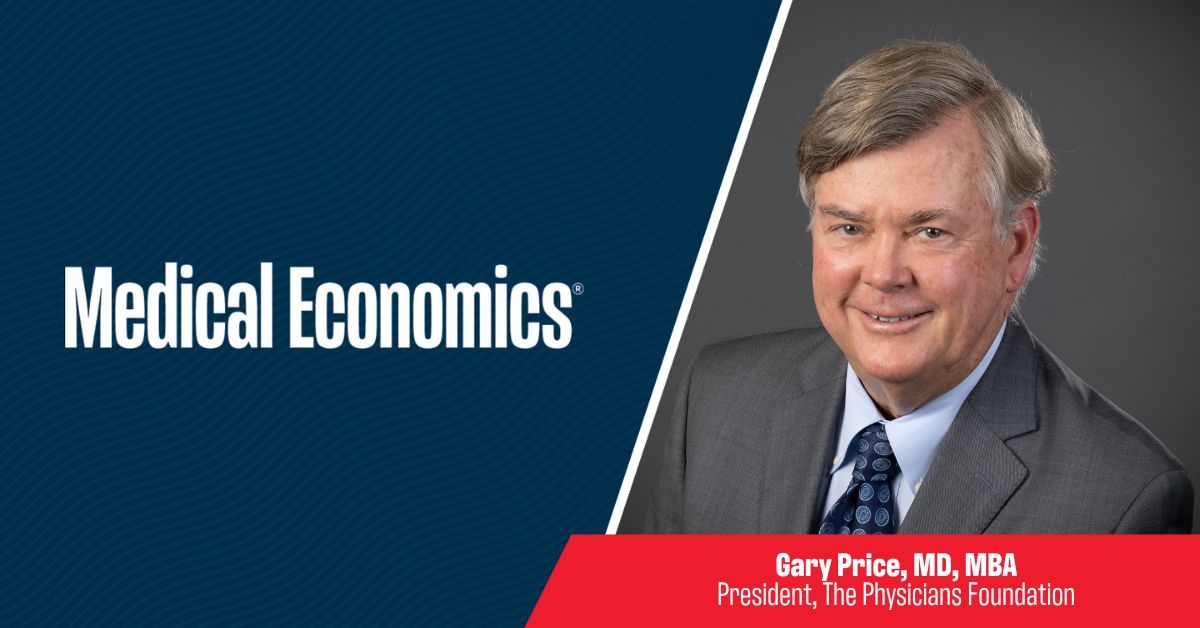
Dr. Gary Price, President of the Physicians Foundation, shares a stark example of the impact of medical misinformation on the doctor-patient relationship. During the height of the COVID-19 pandemic, Dr. Price encountered a long-standing patient who required elective surgery. As a standard precautionary measure, Dr. Price’s office scheduled a pre-operative COVID-19 test for the patient. This protocol, based on well-established medical knowledge and guidelines, aimed to protect both the patient and the healthcare team from potential complications. However, the patient, influenced by misinformation, reacted with hostility and refused the test.
The patient, despite being intelligent and having a previously trusting relationship with Dr. Price, vehemently argued that COVID-19 was not dangerous and, paradoxically, that the test itself posed a threat. This incident highlights the insidious nature of medical misinformation, which can permeate even seemingly rational minds and erode established trust. The patient’s outburst, which included yelling and screaming at the office staff, not only disrupted the practice but also created a hostile environment. The patient ultimately left the office without allowing Dr. Price to address his concerns or explain the rationale behind the test.
This experience underscores the challenges faced by physicians in combating medical misinformation. Patients exposed to false or misleading information may exhibit resistance to necessary medical procedures, refuse vaccinations, or pursue unproven and potentially harmful treatments. The emotional toll on physicians, who witness the negative consequences of misinformation firsthand, cannot be understated. Dr. Price describes the incident as “personally disturbing,” a sentiment likely shared by many healthcare professionals who have encountered similar situations.
The consequences of medical misinformation extend beyond individual patient care. The spread of false information can undermine public health initiatives, erode trust in medical institutions, and contribute to vaccine hesitancy, ultimately jeopardizing community health. The proliferation of misinformation also places an additional burden on healthcare systems, as physicians must dedicate time and resources to addressing patient misconceptions and debunking false claims. This diverts valuable time and resources from patient care and contributes to physician burnout.
Addressing the challenge of medical misinformation requires a multi-pronged approach. Physicians play a crucial role in educating patients and providing evidence-based information. Open and honest communication, coupled with empathy and understanding, is essential to building trust and countering misinformation. However, the responsibility cannot rest solely on healthcare providers. Media outlets, social media platforms, and technology companies must take proactive steps to combat the spread of misinformation by implementing fact-checking mechanisms, promoting accurate information, and holding purveyors of falsehoods accountable. Furthermore, health literacy programs and educational initiatives can empower individuals to critically evaluate health information and make informed decisions.
The COVID-19 pandemic has brought the dangers of medical misinformation into sharp focus. The rapid spread of false information about the virus, its origins, and potential treatments has had devastating consequences. The proliferation of conspiracy theories and unproven remedies has fueled vaccine hesitancy and contributed to unnecessary illness and death. This pandemic serves as a stark reminder of the urgent need to address the root causes of medical misinformation and strengthen public trust in science and evidence-based medicine. Healthcare professionals, policymakers, technology companies, and individuals all have a role to play in combating this growing threat to public health. Only through collaborative efforts can we hope to create a more informed and healthier society. Dr. Price’s experience serves as a sobering reminder of the challenges faced by physicians in an era of rampant misinformation and underscores the urgent need for collective action to protect public health. The future of healthcare hinges on our ability to combat misinformation, foster trust in science, and empower individuals to make informed decisions about their health.