


Close Menu
DISADISA
  • Home
  • News
  • Social Media
  • Disinformation
  • Fake Information
  • Social Media Impact
Trending Now

Experts to Address Social Media’s Impact on Adolescent Brain Development Amid Continuing Meta Litigation.

August 25, 2026

Coordinated Disinformation Campaigns Target Australian Music Royalty

August 25, 2026

Low Calbayog Measles-Rubella Vaccination Turnout Attributed to Misinformation

August 25, 2026
Facebook X (Twitter) Instagram
Facebook X (Twitter) Instagram YouTube
DISADISA
Newsletter
  • Home
  • News
  • Social Media
  • Disinformation
  • Fake Information
  • Social Media Impact
DISADISA
Home»News»The Dangers of Misinformation: Understanding Operation Sindoor and its Implications.
News

The Dangers of Misinformation: Understanding Operation Sindoor and its Implications.

Press RoomBy Press RoomMay 10, 2025No Comments
Facebook Twitter Pinterest LinkedIn Tumblr Email

The Perils of Journalistic Hubris in Times of Conflict

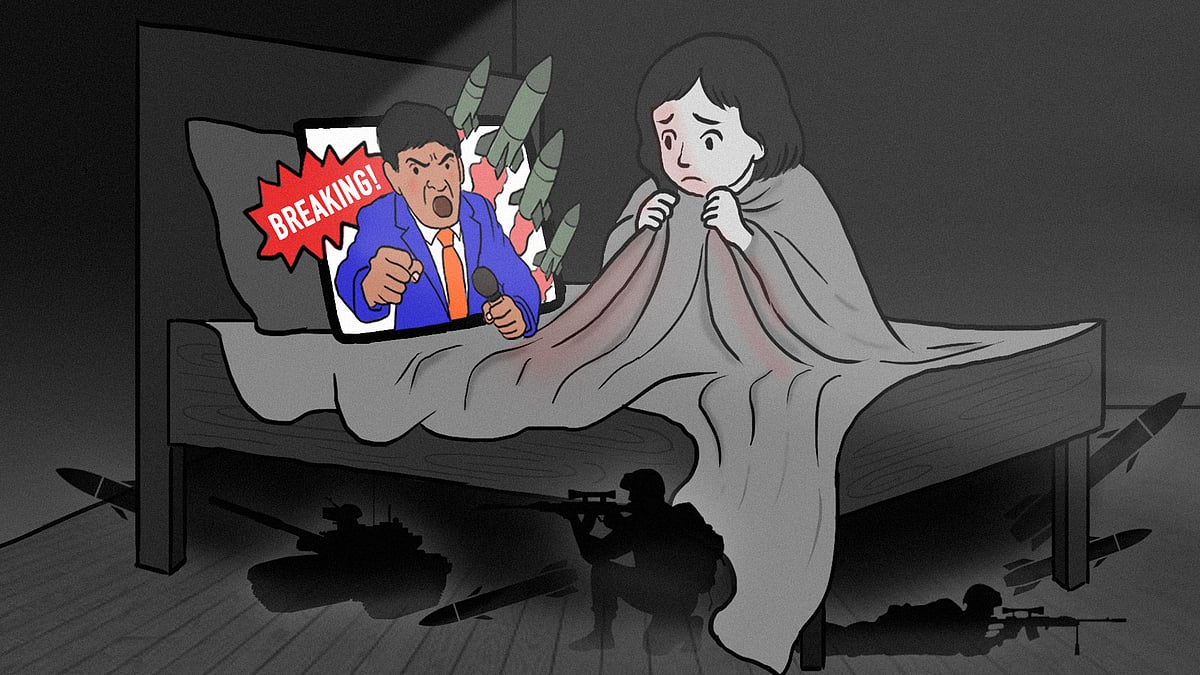
Reporting on armed conflicts and wars presents a unique set of challenges for journalists. The inherent pressure to be first with the news, coupled with the emotionally charged atmosphere of conflict, can easily lead to biased reporting and the dissemination of misinformation. Journalists can become caught up in the narrative, viewing themselves as part of the war effort and exaggerating their own side’s victories while downplaying or demonizing the enemy. This tendency is amplified by the 24/7 news cycle and the intense competition among media outlets.

The allure of being at the center of a major news event, with millions of viewers hanging on every word, can inflate a journalist’s sense of self-importance and purpose. This can lead to a belief that they have a mandate to fight an "information war" on behalf of their government, blurring the lines between objective reporting and propaganda. This phenomenon is not new, but its effects have been magnified in recent years by the rise of partisan media outlets and the erosion of traditional journalistic standards.

Newsrooms, especially during periods of heightened tension, are often driven by the imperative to break news first. This can lead to the publication or broadcast of unverified information, sometimes with dire consequences. Established journalistic practices, such as verifying information with multiple sources and waiting for official government briefings, are crucial for maintaining accuracy and avoiding the spread of misinformation. However, these practices are often disregarded in the pursuit of ratings and exclusivity.

The Kargil War provides a case study in how journalistic restraint can be maintained during times of conflict. Reputable news organizations like NDTV adhered to strict protocols, waiting for official confirmation from the Ministry of External Affairs before broadcasting sensitive information. This approach contrasts sharply with the practices of some "guerilla" channels that prioritize sensationalism and speed over accuracy. These channels often rely on unnamed "sources" to break stories, a practice that can easily be exploited to spread disinformation.

The decline in journalistic ethics is not solely attributable to the pressure of the 24/7 news cycle or the competitive media landscape. A key factor has been the rise of individuals within news organizations who prioritize ratings and personal gain over journalistic integrity. These individuals, often cynical and opportunistic, have climbed the ranks and now hold positions of influence, shaping the editorial direction of their respective outlets. Their disregard for journalistic principles has created a breeding ground for fake news and misinformation.

The consequences of this decline in journalistic standards are far-reaching. The constant barrage of unverified claims, amplified by the echo chambers of social media, creates a climate of distrust and confusion. The public’s ability to discern fact from fiction is eroded, making them more susceptible to manipulation. This is particularly dangerous during times of conflict, when accurate information is essential for informed decision-making. The anxiety and uncertainty generated by the spread of misinformation can have a profound impact on individuals and society as a whole. It is vital that journalists uphold their responsibility to report truthfully and accurately, even – and especially – during times of war and conflict. The pursuit of ratings and personal gain should never come at the expense of the public’s right to know the truth.

Share. Facebook Twitter Pinterest LinkedIn WhatsApp Reddit Tumblr Email

Read More

Low Calbayog Measles-Rubella Vaccination Turnout Attributed to Misinformation

August 25, 2026

Here are a few formal options, depending on the specific context (e.g., a case study title, a project heading, or a business proposal section).

Option 1: Direct & Definitive (Best for Case Studies)

The Client’s Critical Challenge: An Analysis of Key Obstacles

Option 2: Strategic & Analytical (Best for Proposals)

Understanding the Client’s Obstacle: A Strategic Assessment

Option 3: Diplomatic & Professional (Best for Internal Reports)

Navigating Client Issues: A Review of Operational Hurdles

Option 4: Action-Oriented (Best for Problem-Solving Documents)

Addressing the Client’s Situation: Identifying and Resolving Constraints

Option 5: The Strongest Single Phrase (If you need a stand-alone title)

Client Obstacle Assessment

My recommendation for a one-line title that is both formal and specific is:

The Client’s Challenge: Identifying Key Constraints and Solutions.

August 25, 2026

Exclusive: Andrew McGinley Expresses Empathy for Lindsay Clancy Over Online Misinformation and Falsehoods

August 25, 2026
Add A Comment
Leave A Reply Cancel Reply

Our Picks

Coordinated Disinformation Campaigns Target Australian Music Royalty

August 25, 2026

Low Calbayog Measles-Rubella Vaccination Turnout Attributed to Misinformation

August 25, 2026

The Impact of Employment-Oriented Social Media Use on College Students’ Employment Anxiety: Dual Mediating Roles of Social Capital and Risk Perception.

August 25, 2026

Malicious Disinformation Campaigns Target Australian Swimmers and Their Olympic Competitors

August 25, 2026
Stay In Touch
  • Facebook
  • Twitter
  • Pinterest
  • Instagram
  • YouTube
  • Vimeo

Don't Miss

News

Here are a few formal options, depending on the specific context (e.g., a case study title, a project heading, or a business proposal section).

Option 1: Direct & Definitive (Best for Case Studies)

The Client’s Critical Challenge: An Analysis of Key Obstacles

Option 2: Strategic & Analytical (Best for Proposals)

Understanding the Client’s Obstacle: A Strategic Assessment

Option 3: Diplomatic & Professional (Best for Internal Reports)

Navigating Client Issues: A Review of Operational Hurdles

Option 4: Action-Oriented (Best for Problem-Solving Documents)

Addressing the Client’s Situation: Identifying and Resolving Constraints

Option 5: The Strongest Single Phrase (If you need a stand-alone title)

Client Obstacle Assessment

My recommendation for a one-line title that is both formal and specific is:

The Client’s Challenge: Identifying Key Constraints and Solutions.

By Press RoomAugust 25, 20260

Headline: Beyond the Blocked Page: The Digital Deadlock of JavaScript Dependency Paragraph 1: The Wall…

Exclusive: Andrew McGinley Expresses Empathy for Lindsay Clancy Over Online Misinformation and Falsehoods

August 25, 2026

Experts to Examine Social Media’s Effects on Adolescent Brain Development Amid Ongoing Meta Litigation

August 25, 2026

Russian AI Deepfake Disseminates False Utility Claims in Sumy, Ukraine

August 25, 2026
DISA
Facebook X (Twitter) Instagram Pinterest
  • Home
  • Privacy Policy
  • Terms of use
  • Contact
© 2026 DISA. All Rights Reserved.

Type above and press Enter to search. Press Esc to cancel.