


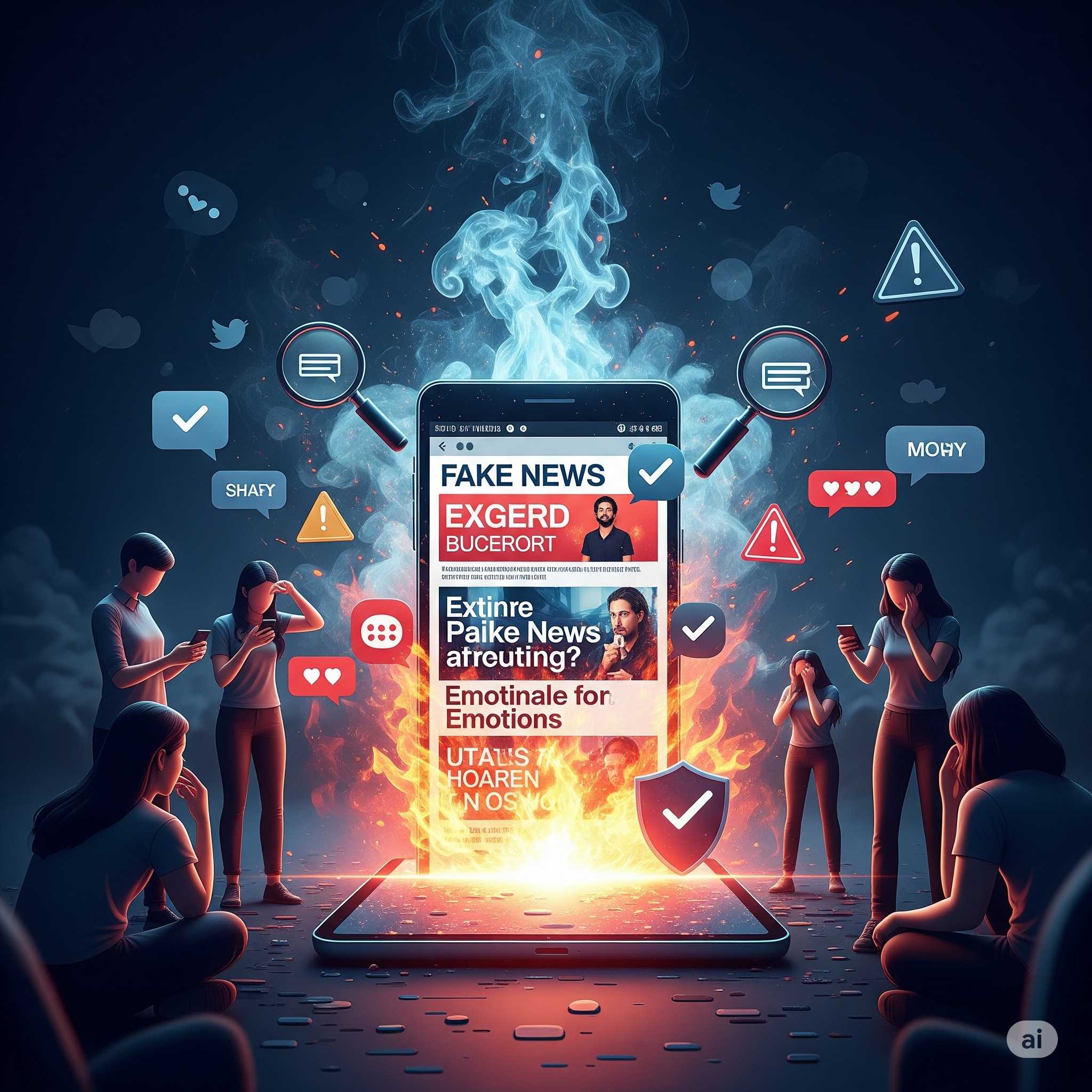
The Viral Tale of a Father’s Rage: A Case Study in Misinformation
In the fast-paced digital landscape of the 21st century, misinformation propagates with alarming speed and ease, often leaving a trail of devastating consequences. A recent narrative that rapidly gained traction on social media serves as a stark reminder of the critical importance of fact-checking and cultivating a discerning mindset. This story, depicting a father who allegedly inflicted grievous harm upon his two-year-old son and subsequently set his car ablaze, provides a chilling example of how easily false narratives can capture public attention and inflict significant harm.
The story unfolds as follows: a father in Abu Dhabi, fuelled by an uncontrollable rage after his toddler son scratched his new car with a nail, allegedly attacked the child with a hammer. The attack resulted in severe injuries, including the loss of a finger. Later, when the child inquired about the regrowth of his finger, the father, consumed by guilt, reportedly set his car on fire. The narrative culminates with the father tragically taking his own life the following day, unable to bear the weight of his actions.
While the narrative undoubtedly tugs at the heartstrings and evokes strong emotional responses, several glaring inconsistencies cast significant doubt on its veracity. Would a father, even in a fit of rage, resort to using a hammer to discipline a child for a minor scratch on a car? Furthermore, the story claims the child wrote a coherent message, “I love you, Daddy.” Could a two-year-old possess the cognitive and motor skills to compose such a message? The narrative also portrays the injured child posing a complex question about the regrowth of his finger, a level of articulation unusual for a child of that age who has just experienced a traumatic injury. Finally, the story inexplicably introduces a connection between the Abu Dhabi police and Riyadh, Saudi Arabia, further adding to the confusion and raising suspicion about its authenticity.
This fabricated narrative underscores the inherent dangers of misinformation and reinforces the vital need for verifying information before disseminating it on social media platforms. Sharing unverified information contributes to the proliferation of falsehoods, potentially causing significant harm to individuals and communities. In this particular instance, the story appears designed to manipulate readers’ emotions rather than convey an accurate account of events. It preys on our empathy and outrage, bypassing our critical thinking faculties.
In this era of information overload, critical thinking serves as an indispensable shield against the onslaught of misinformation. By diligently verifying information before sharing it, we contribute to a more informed society and mitigate the harmful effects of false narratives. This involves scrutinizing the source of the information, evaluating the evidence presented, and considering alternative perspectives. A healthy dose of skepticism is essential in navigating the digital landscape and separating fact from fiction.
The consequences of misinformation extend far beyond mere emotional distress. While this particular story may have caused undue anxiety and anguish among those who believed it, the repercussions of misinformation can be far more severe. False narratives can tarnish reputations, incite violence and hatred, and even destabilize economies. The spread of false information during public health crises, for instance, can undermine public trust in health authorities and impede effective responses.
Social media platforms, while powerful tools for communication and connection, unfortunately serve as primary vectors for the spread of misinformation. Platforms like Facebook, Twitter, and WhatsApp facilitate the rapid dissemination of information, often without adequate fact-checking mechanisms. The algorithms that drive these platforms can inadvertently amplify sensationalized and emotionally charged content, irrespective of its veracity. Therefore, users of these platforms bear a responsibility to approach information with a critical eye and avoid sharing content without verifying its authenticity.
Combating the spread of misinformation requires a proactive and multi-pronged approach. First and foremost, verify information before sharing it. This involves consulting reputable news sources, fact-checking websites, and experts in the relevant field. Be wary of headlines that are overly sensational or emotionally charged, as these are often designed to attract clicks rather than convey accurate information. Scrutinize the source of the information. Is it a reputable news organization, a peer-reviewed journal, or a random social media post? The credibility of the source is a crucial factor in assessing the reliability of the information.
Media literacy plays a vital role in empowering individuals to navigate the complex information landscape. By developing the skills to critically evaluate information, identify biases, and recognize misinformation tactics, we can make informed decisions and avoid contributing to the spread of false narratives. Educational institutions, community organizations, and media outlets all have a role to play in fostering media literacy among individuals of all ages.
Education is the cornerstone of a well-informed and critically thinking society. By equipping children and adults with the tools to analyze information, evaluate sources, and identify logical fallacies, we empower them to discern truth from falsehood. Critical thinking skills should be integrated into educational curricula at all levels, fostering a generation of discerning information consumers.
The challenge of misinformation is likely to persist and even intensify as technology continues to evolve. Artificial intelligence, for instance, can be used to create highly realistic deepfakes, further blurring the lines between reality and fabrication. However, by fostering media literacy, encouraging critical thinking, and promoting a culture of fact-checking, we can mitigate the harmful effects of misinformation and cultivate a more informed and engaged citizenry.
In conclusion, the viral tale of the father’s rage serves as a cautionary reminder of the pervasiveness and potency of misinformation in the digital age. Combating this challenge requires a collective effort. By cultivating critical thinking skills, verifying information before sharing it, and promoting media literacy, we can collectively build a more resilient and informed society, resistant to the corrosive effects of misinformation.