


Close Menu
DISADISA
  • Home
  • News
  • Social Media
  • Disinformation
  • Fake Information
  • Social Media Impact
Trending Now

Analyzing the Proliferation of Disinformation Following the Latest School Shooting.

August 26, 2026

German Embassy Issues Formal Warning to Nigerian Nationals Regarding Unauthorized Visa Agents and Misinformation.

August 26, 2026

Social Media Addiction: Consequences, Risks, and Legal Remedies

August 26, 2026
Facebook X (Twitter) Instagram
Facebook X (Twitter) Instagram YouTube
DISADISA
Newsletter
  • Home
  • News
  • Social Media
  • Disinformation
  • Fake Information
  • Social Media Impact
DISADISA
Home»Disinformation»Thailand Alleges Cambodian Dissemination of War Propaganda Amidst Heightened Border Tensions
Disinformation

Thailand Alleges Cambodian Dissemination of War Propaganda Amidst Heightened Border Tensions

Press RoomBy Press RoomSeptember 2, 2025No Comments
Facebook Twitter Pinterest LinkedIn Tumblr Email

Thailand Accuses Cambodia of Disinformation and Ceasefire Violations Amid Border Tensions

Bangkok – Tensions continue to escalate along the Thai-Cambodian border as Thailand’s Ministry of Foreign Affairs has launched a strong rebuke against Cambodia, accusing its neighbor of orchestrating a disinformation campaign and systematically violating the agreed-upon ceasefire. The public accusation comes amidst a series of border skirmishes and escalating rhetoric from both sides, raising concerns about the stability of the region and the potential for further conflict. The dispute centers around the Preah Vihear temple area, a UNESCO World Heritage site claimed by both nations, which has long been a flashpoint for simmering territorial disputes.

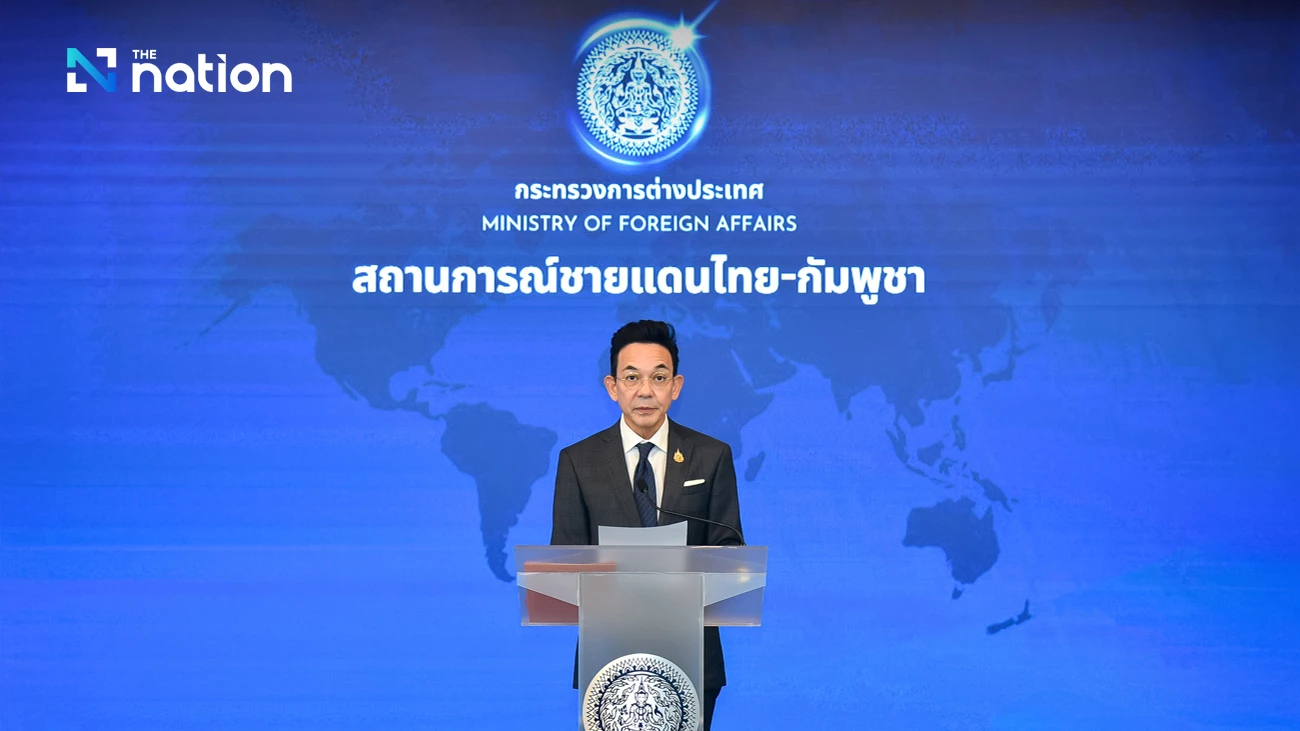
In a pointed statement released earlier this week, Nikorndej Balankura, spokesperson for the Thai Ministry of Foreign Affairs, directly challenged the narrative presented by Cambodian officials and state-controlled media. He characterized Cambodia’s public commitment to the ceasefire as a mere façade, designed for public relations purposes while their actions on the ground contradict their stated intentions. Balankura meticulously detailed a series of alleged ceasefire violations by Cambodian forces, painting a picture of calculated aggression designed to undermine the peace process.

The Thai spokesperson outlined four specific breaches of the ceasefire agreement, accusing Cambodian forces of laying new landmines in the disputed border area, deploying drones for harassment and surveillance of Thai positions, actively inciting Cambodian citizens to stage protests at the border, thereby escalating tensions, and most alarmingly, deploying powerful improvised explosive devices (IEDs) on Thai territory. These accusations, if substantiated, represent a significant escalation of hostilities and pose a serious threat to the safety and security of Thai personnel and civilians residing near the border.

The Thai government’s strongly worded statement signals a growing frustration with what it perceives as Cambodia’s duplicity and its unwillingness to adhere to the terms of the ceasefire. By publicly exposing these alleged violations, Thailand is attempting to shift international attention to Cambodia’s actions, effectively calling them out on the world stage. This move also aims to bolster Thailand’s own position in the ongoing dispute and garner international support for its stance. The timing of the statement coincides with increased international scrutiny of the situation, with various regional and international bodies expressing concern about the escalating tensions and urging both sides to exercise restraint.

Cambodia, for its part, has categorically denied these accusations, claiming that Thai forces are the ones who have instigated the recent clashes. Phnom Penh maintains its commitment to the ceasefire agreement, accusing Thailand of misrepresenting the facts on the ground and engaging in a propaganda campaign to discredit Cambodia’s position. The conflicting narratives and the lack of independent observers in the area make it difficult to verify the claims and counterclaims. This information vacuum adds another layer of complexity to the already tense situation, fueling mistrust and hindering efforts to de-escalate the conflict.

The ongoing border dispute and the accusations of ceasefire violations represent a significant setback to the fragile peace process between Thailand and Cambodia. The exchange of accusations further deepens the distrust between the two nations, making it increasingly challenging to find a diplomatic resolution to the long-standing territorial dispute. The international community, including ASEAN, the United Nations, and various involved governments, must play a more active role in mediating the conflict and encouraging both sides to return to the negotiating table. Failure to address the escalating tensions could have serious ramifications for regional stability and potentially spark a wider conflict with devastating consequences. The situation demands immediate attention and concerted efforts from all stakeholders to prevent it from spiraling further out of control.

Share. Facebook Twitter Pinterest LinkedIn WhatsApp Reddit Tumblr Email

Read More

Analyzing the Proliferation of Disinformation Following the Latest School Shooting.

August 26, 2026

ActionSA Lodges Formal Disinformation Complaint with IEC Against ANC’s Kgoši Maepa.

August 26, 2026

The Threat of Anti-Disinformation Legislation to the Public Square

August 26, 2026
Add A Comment
Leave A Reply Cancel Reply

Our Picks

German Embassy Issues Formal Warning to Nigerian Nationals Regarding Unauthorized Visa Agents and Misinformation.

August 26, 2026

Social Media Addiction: Consequences, Risks, and Legal Remedies

August 26, 2026

ActionSA Lodges Formal Disinformation Complaint with IEC Against ANC’s Kgoši Maepa.

August 26, 2026

Health Experts Offer Evidence-Based Guidance for Navigating Online Nutrition Misinformation

August 26, 2026
Stay In Touch
  • Facebook
  • Twitter
  • Pinterest
  • Instagram
  • YouTube
  • Vimeo

Don't Miss

Disinformation

The Threat of Anti-Disinformation Legislation to the Public Square

By Press RoomAugust 26, 20260

Paragraph 1: The Escalating Threat of Disinformation in Philippine Democracy As the Philippines hurtles toward…

NCIC and Faith Leaders Warn of Misinformation Threat Ahead of 2027 Elections

August 26, 2026

  1. Analyze the Request:

    • Original title: “How to spot ethnic disinformation on social media”
    • Task: Rewrite this to 1 title in English in a formal tone.
    • Constraints: Only 1 title, formal tone, must retain the core meaning (identifying/detecting ethnicity-based disinformation/falsehoods on social platforms).
  2. Evaluate the Original: The original is clear but uses “spot” (informal/colloquial for this context) and “ethnic” (slightly broad). “Disinformation” is a good formal term.

  3. Brainstorm Formal Alternatives:

    • “Identifying Ethnic Disinformation on Social Media Platforms” (good, formal, direct).
    • “Detecting Disinformation Targeting Ethnic Groups on Social Networks” (more specific, emphasizes targeting).
    • “A Guide to Identifying Ethnically-Focused Misinformation and Disinformation on Social Media” (too long).
    • “Recognizing Ethnic Disinformation in Social Media Environments” (wordy).
    • “Techniques for Uncovering Ethnic Disinformation on Digital Platforms” (practical).
    • Let’s synthesize. Formal titles usually prefer nouns like “Identifying”, “Detecting”, “Assessing”. The subject is specifically disinformation that is ethnic (based on ethnicity/race).
    • Option A: “Identifying Ethnic Disinformation on Social Media” (Best balance of formality, conciseness, and accuracy).
    • Option B: “Detecting Ethnic Misinformation and Disinformation on Digital Networks” (a bit longer).
    • Option C: “Strategies for Identifying Ethnic Disinformation in Social Media”.
  4. Select the Best Title: Option A is the most natural and formal direct translation. Let’s ensure it doesn’t sound like a casual tutorial. “Identifying” is academic/formal. “Ethnic disinformation” is precise. “Social Media” is standard.

    Let’s refine it slightly to be more impactful: “Detecting Ethnic Disinformation within Social Media Platforms” – a bit wordy. “Identifying Ethnic Disinformation on Social Media” – perfect.

  5. Final Check: Does it meet the criteria? 1 title (yes). English (yes). Formal tone (yes – “Identifying” is formal). Same meaning (yes). Let’s goIdentifying Ethnic Disinformation on Social Media

August 26, 2026

Identifying Ethnically Targeted Disinformation on Social Media Platforms

August 26, 2026
DISA
Facebook X (Twitter) Instagram Pinterest
  • Home
  • Privacy Policy
  • Terms of use
  • Contact
© 2026 DISA. All Rights Reserved.

Type above and press Enter to search. Press Esc to cancel.