


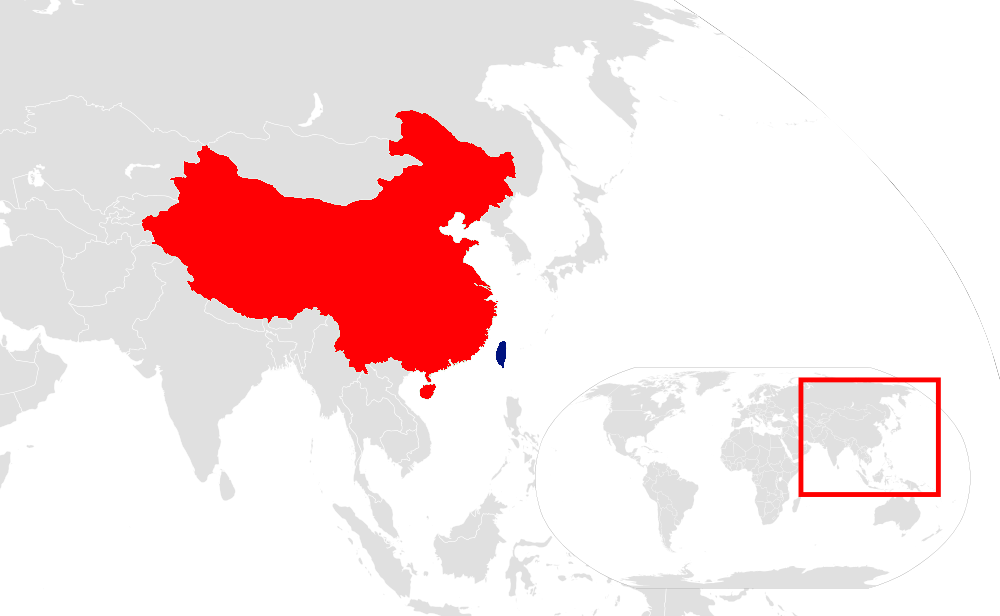
Taiwan Rejects Chinese Cyberattack Accusations, Citing Disinformation Campaign
Taipei, Taiwan – A war of words erupted this week between China and Taiwan over allegations of cyber espionage, with each side accusing the other of malicious online activities aimed at destabilizing critical infrastructure and manipulating public opinion. The dispute began on Tuesday when Chinese officials claimed a Taiwan-backed hacker group, allegedly linked to the ruling Democratic Progressive Party (DPP), had targeted a technology firm in Guangzhou and compromised over 1,000 networks across ten provinces. These networks, according to Beijing, included systems belonging to the military, energy, and government sectors, raising concerns about the potential scope and impact of the alleged attacks.
Taiwan vehemently denied these accusations, labeling them as part of a broader disinformation campaign orchestrated by the Chinese Communist Party (CCP). The National Security Bureau of Taiwan issued a statement on Wednesday, asserting that Beijing’s claims were fabricated and intended to mislead the international community. Taipei countered that China, rather than acknowledging its own extensive cyber activities, was engaging in a blame-shifting maneuver to undermine Taiwan’s credibility and escalate tensions between the two nations. This latest exchange further underscores the increasingly complex and contentious relationship between China and Taiwan, marked by escalating military and diplomatic pressures.
Taiwanese officials accused China of a long-standing pattern of cyberattacks targeting Taiwan’s critical infrastructure, including financial institutions and government networks. They described these attacks as a form of "cognitive warfare" designed to sow social discord, erode public trust in the government, and destabilize the island nation. According to Taipei, China utilizes cyberattacks not only for espionage and data theft but also to influence public opinion and create internal divisions within Taiwan. This strategy, they argue, is part of a broader effort by Beijing to exert pressure on Taiwan and undermine its sovereignty.
The accusations and counter-accusations highlight the escalating cyber conflict between China and Taiwan, reflecting the broader geopolitical tensions in the region. Both sides have increasingly relied on cyber capabilities as a tool to advance their interests and exert influence. While China possesses significant resources and expertise in cyber warfare, Taiwan has also invested heavily in strengthening its cyber defenses and developing offensive capabilities. This escalating cyber arms race poses a significant threat to regional stability and could potentially spill over into a broader conflict.
The international community has yet to react officially to the latest round of accusations. However, the ongoing cyber conflict between China and Taiwan raises concerns about the potential for miscalculation and escalation. The lack of clear international norms and regulations governing cyberspace complicates efforts to address these issues and prevent further escalation. The need for increased dialogue and cooperation between the involved parties, as well as the broader international community, is crucial to mitigate these risks and ensure a stable and secure cyberspace.
As the cyber domain becomes increasingly contested, the line between traditional warfare and cyber warfare becomes increasingly blurred. The case of China and Taiwan exemplifies the growing importance of cyber capabilities in international relations and the potential for cyberattacks to destabilize nations and escalate tensions. Addressing the challenges of cyber warfare requires a multifaceted approach, including strengthening cyber defenses, developing international norms and regulations, and fostering greater dialogue and cooperation between nations. The escalating cyber conflict between China and Taiwan serves as a warning sign of the potential dangers of unchecked cyber warfare and the urgent need for a global response.