


Swinney Urges Social Media Crackdown on "Dangerous" Disinformation
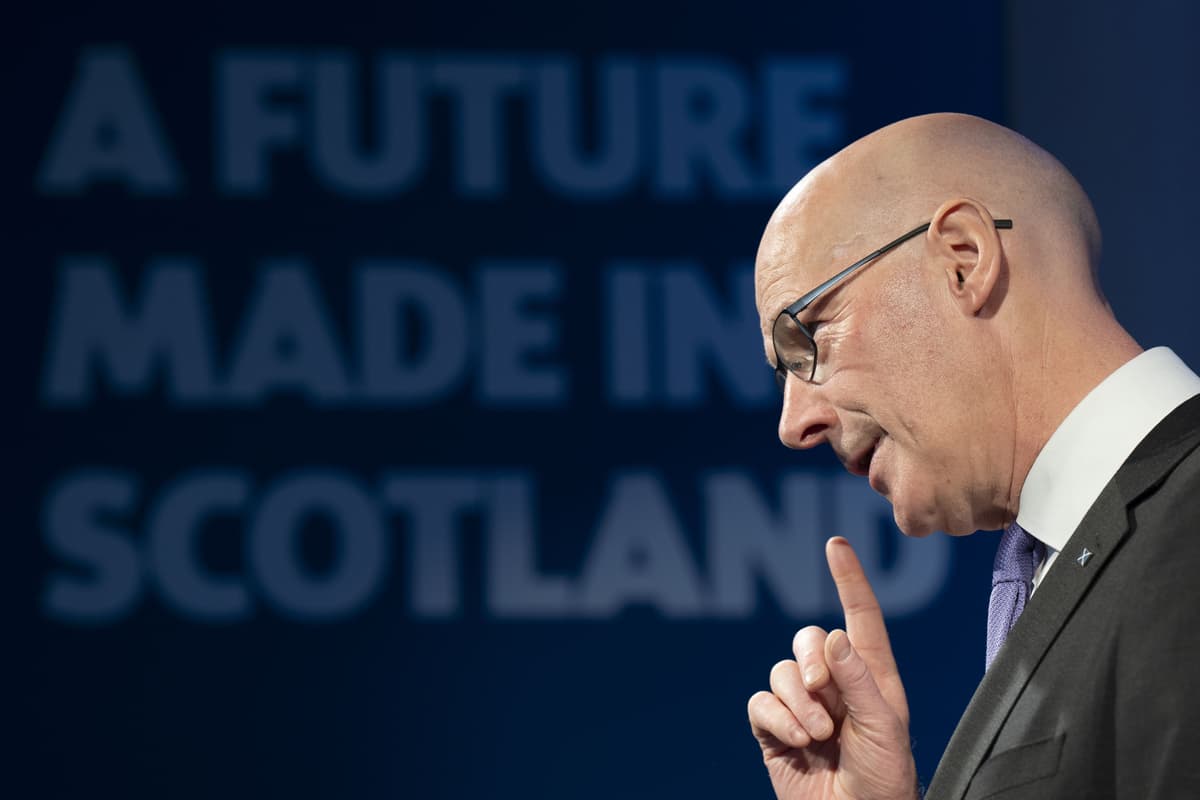
Deputy First Minister John Swinney has issued a stern call to action, urging social media giants to intensify their efforts in combating the proliferation of "dangerous" disinformation online. Speaking at a fringe event at the SNP conference in Aberdeen, Swinney highlighted the escalating threat posed by the spread of false and misleading information, particularly in the context of political discourse and public health. He stressed the urgent need for these platforms to take greater responsibility for the content shared on their networks and implement more robust measures to curb the dissemination of harmful narratives.
Swinney underscored the insidious nature of disinformation, emphasizing its potential to erode trust in democratic institutions, fuel social division, and undermine public health initiatives. He pointed to specific instances where disinformation campaigns have had tangible negative consequences, such as the spread of vaccine hesitancy during the Covid-19 pandemic and the propagation of conspiracy theories surrounding elections. He argued that social media companies, with their vast reach and influence, bear a significant responsibility to address this issue and safeguard the integrity of information ecosystems.
The Deputy First Minister’s remarks reflect a growing global concern about the detrimental impact of disinformation. Governments and regulatory bodies worldwide are grappling with the challenge of balancing freedom of expression with the need to protect citizens from harmful online content. Swinney’s call for stricter measures comes amidst increasing pressure on social media platforms to enhance their content moderation policies and invest in more sophisticated technologies to detect and remove disinformation.
Swinney acknowledged the complexities involved in tackling disinformation, recognizing the delicate balance between combating harmful content and upholding freedom of speech. He emphasized the importance of a multi-faceted approach, involving collaboration between governments, social media companies, and civil society organizations. He called for greater transparency in the algorithms used by social media platforms to curate content, urging these companies to provide users with more control over the information they are exposed to.
The Deputy First Minister’s intervention highlights the growing recognition of the need for a more proactive and coordinated response to the challenges posed by online disinformation. As societies become increasingly reliant on digital platforms for information and communication, the spread of false and misleading narratives poses a significant threat to democratic processes and public well-being. Swinney’s call for greater accountability from social media companies underscores the urgency of this issue and the need for collective action to safeguard the integrity of online spaces.
The debate surrounding the role and responsibility of social media companies in combating disinformation is likely to intensify in the coming months and years. As the digital landscape continues to evolve, finding effective solutions to address the spread of harmful content online will remain a critical challenge for governments, regulators, and tech companies alike. Swinney’s call for action serves as a timely reminder of the importance of vigilance and collaboration in safeguarding the information ecosystems that underpin democratic societies.
Expanding on potential solutions and related topics:
The Need for Media Literacy and Critical Thinking
Beyond holding social media platforms accountable, Swinney’s concerns also underscore the critical need for enhanced media literacy among the public. Individuals must be equipped with the skills to critically evaluate the information they encounter online, identify potential biases, and distinguish credible sources from purveyors of disinformation. Educational initiatives, public awareness campaigns, and the integration of media literacy into school curricula are essential components of a comprehensive strategy to combat the spread of false narratives.
The Role of Independent Fact-Checkers and Journalists
Independent fact-checking organizations and investigative journalists play a crucial role in debunking false claims and holding those who spread disinformation accountable. Supporting these institutions and ensuring their financial sustainability is vital for maintaining a healthy information ecosystem. Collaboration between fact-checkers and social media platforms can also help to flag and remove misleading content more effectively.
The Impact of Disinformation on Vulnerable Populations
Certain segments of the population, such as the elderly or those with limited access to information and technology, may be particularly vulnerable to disinformation campaigns. Targeted interventions and support services are needed to protect these groups from the harmful effects of false narratives.
Transparency and Accountability of Social Media Algorithms
Increased transparency in the algorithms used by social media platforms is crucial for understanding how information is amplified and disseminated. This includes providing users with greater control over the content they are exposed to and enabling researchers to study the impact of these algorithms on information flows. Holding social media companies accountable for the design and implementation of their algorithms is essential for ensuring that these platforms do not inadvertently contribute to the spread of disinformation.
International Cooperation and Regulation
Disinformation is a global challenge that requires international cooperation. Sharing best practices, coordinating regulatory efforts, and establishing common standards for combating disinformation are essential for addressing this issue effectively. International agreements and frameworks can help to create a level playing field and prevent the spread of harmful content across borders.
The Importance of Protecting Freedom of Speech
While combating disinformation is crucial, it is equally important to protect freedom of speech and avoid censorship. Striking the right balance between these competing interests is a complex challenge that requires careful consideration. Any measures taken to address disinformation should be proportionate, evidence-based, and consistent with fundamental human rights principles.
The Evolving Nature of Disinformation Tactics
The tactics used to spread disinformation are constantly evolving, making it crucial to remain vigilant and adapt strategies accordingly. This includes staying abreast of new technologies, such as deepfakes and synthetic media, that can be used to create and disseminate highly realistic but fabricated content. Investing in research and development to detect and counter these emerging threats is essential for staying ahead of the curve.
The Role of Artificial Intelligence in Combating Disinformation
Artificial intelligence (AI) can play a role in both the spread and the detection of disinformation. While AI-powered tools can be used to create and disseminate sophisticated disinformation campaigns, they can also be employed to identify and flag potentially harmful content. Developing and deploying AI-based solutions that can effectively detect and counter disinformation is a critical area of focus.
These are just some of the key issues and challenges related to combating disinformation in the digital age. Swinney’s call for greater action from social media companies is a crucial step in addressing this growing threat, but it must be accompanied by a broader societal effort that includes media literacy education, support for independent journalism, and ongoing research and development of effective countermeasures. The fight against disinformation is a continuous process that requires vigilance, collaboration, and a commitment to protecting the integrity of information ecosystems.