


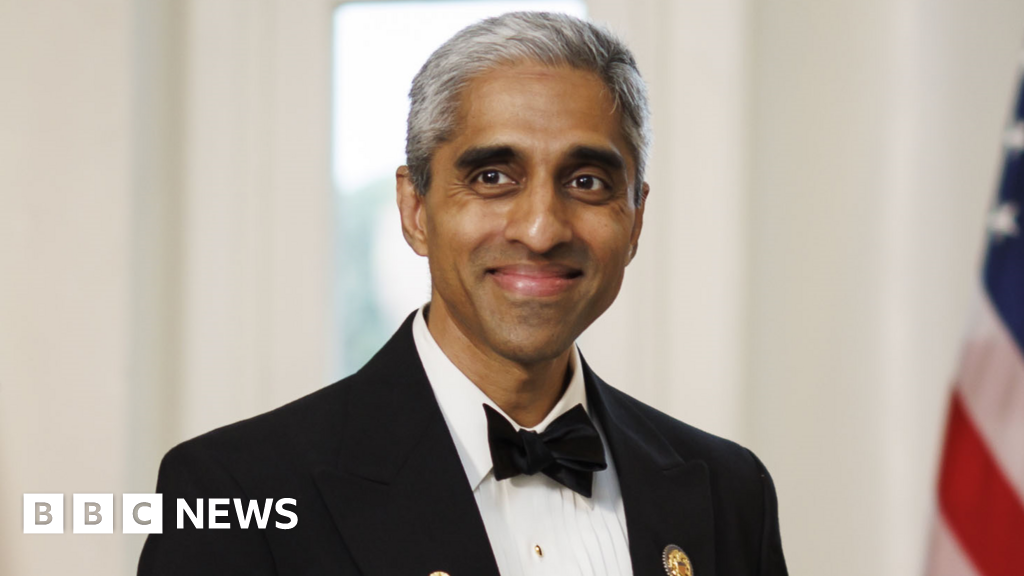
Surgeon General Calls for Social Media Warning Labels, Citing Mental Health Risks to Adolescents
In a significant move mirroring historical actions against tobacco, U.S. Surgeon General Vivek Murthy has urged the implementation of warning labels on social media platforms, citing growing concerns about the potential detrimental effects on adolescent mental health. Drawing parallels to the 1966 decision to mandate warning labels on cigarette packages, Dr. Murthy emphasized the need for proactive measures to address what he deems a "mental health emergency" among young people. The proposed labels would caution users about the potential link between social media use and mental health harms, aiming to raise awareness and encourage parental oversight. This call to action follows Dr. Murthy’s 2023 public health advisory, which highlighted a correlation between teenage social media engagement and negative mental health outcomes. While acknowledging the absence of a definitive scientific consensus on the issue, Dr. Murthy stresses the urgency of the situation, emphasizing the need for action even in the face of incomplete data.
Dr. Murthy’s proposal has sparked widespread discussion about the appropriate level of regulation for social media companies. His recommendation extends beyond warning labels, encompassing proposals for phone bans in schools and limitations on device usage during family meals and bedtime. These suggestions reflect a growing awareness of the pervasive influence of technology on young lives and the need for balanced usage. While the scientific community continues to investigate the complex relationship between social media and mental well-being, Dr. Murthy argues that the potential risks warrant immediate attention. His call for action parallels the historical response to tobacco, where warning labels served as a critical step towards educating the public about potential health hazards.
The Surgeon General’s concerns resonate with mental health professionals who are witnessing a rise in anxiety and depression among young people. Gin Lalli, a psychotherapist and author, supports the idea of warning labels, viewing them as a crucial step towards promoting responsible social media use. While acknowledging the potential benefits of social media, Lalli underscores the risks associated with cyberbullying, exposure to harmful content, and the potential for addiction. She believes that warning labels can serve as reminders for both individuals and parents to be mindful of usage patterns and to establish healthy boundaries. Lalli argues that such labels would empower parents to take a more active role in their children’s digital lives, providing them with the support they need to navigate the complex online landscape.
The debate surrounding the impact of social media on adolescents remains complex and multifaceted. Research has yielded conflicting findings, with some studies suggesting a link between heavy social media use and negative mental health outcomes, while others point to potential benefits such as increased social connection for some children. A 2023 study found no evidence linking Facebook’s global expansion to widespread psychological harm, while other research suggests that certain online interactions can positively impact well-being. The American Psychological Association acknowledges this complexity, stating that social media is not inherently positive or negative, but rather its effects depend on individual usage patterns and content. They advocate for the removal of harmful content and emphasize the importance of parental monitoring for younger users.
The Surgeon General’s proposal aligns with ongoing global efforts to regulate online safety, particularly for children. In the UK, the Online Safety Act, set to take effect in 2025, will mandate increased responsibility from tech companies to protect young users from harmful content. Ofcom, the media regulator, has outlined specific requirements for age-checking measures and the implementation of safeguards to steer children away from inappropriate material. However, some advocates argue that these measures do not go far enough, particularly in light of tragic cases involving children exposed to harmful content online. The push for stronger regulations reflects a growing consensus that online safety, particularly for vulnerable populations, requires a multi-pronged approach involving government oversight, industry responsibility, and parental involvement.
The call for social media warning labels reflects a broader conversation about the role of technology in our lives and the need for responsible digital citizenship. As social media platforms continue to evolve and exert increasing influence on young people, the debate over appropriate regulation will undoubtedly intensify. The balance between fostering innovation and protecting vulnerable users remains a complex challenge, requiring ongoing dialogue and collaborative efforts from stakeholders across various sectors, including government, industry, and the mental health community. The ultimate goal is to create a digital environment that supports the well-being of young people while allowing them to benefit from the positive aspects of online connectivity.