


State Department Under Biden Administration Accused of Compiling Dossier on Trump Official for Disinformation
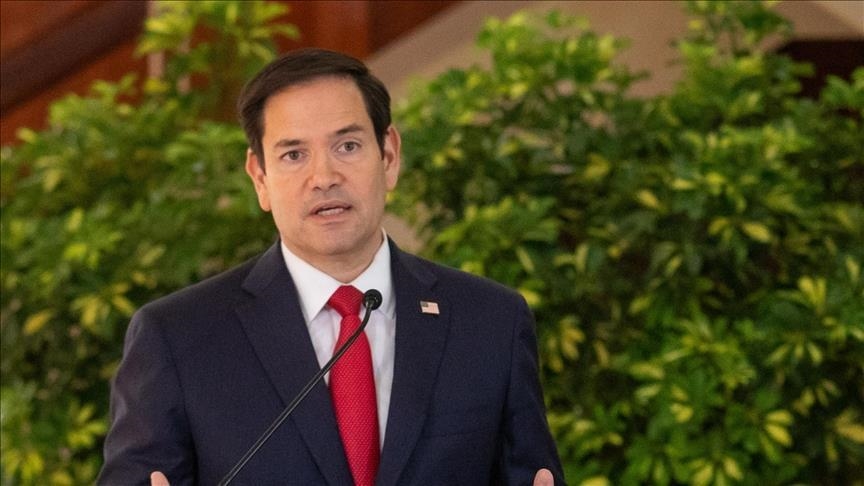
Washington D.C. – Senator Marco Rubio (R-FL) has leveled accusations against the State Department under the Biden administration, claiming they assembled a dossier on a Trump administration official based on allegations of disinformation. This revelation has ignited a firestorm of controversy, raising concerns about potential political weaponization of government resources and sparking a heated debate over the boundaries of free speech versus the spread of misinformation.
Rubio, in a letter addressed to Secretary of State Antony Blinken, detailed his concerns regarding the alleged targeting of former Assistant Secretary of State for Western Hemisphere Affairs, Roger Noriega. The dossier, reportedly compiled by the Global Engagement Center (GEC), a State Department entity tasked with countering foreign propaganda and disinformation, allegedly flagged Noriega’s public statements critical of the Ortega regime in Nicaragua. Rubio contends that these statements, which raised concerns about the regime’s human rights abuses and democratic backsliding, were deemed "disinformation" and used to justify the creation of the dossier.
The Senator’s accusations paint a troubling picture of potential political bias within the State Department. Rubio argues that Noriega’s criticisms of the Ortega regime, rooted in well-documented human rights violations and suppression of political dissent, were legitimate expressions of concern, not disinformation. He further alleges that the GEC’s actions represent an attempt to silence dissenting voices and stifle legitimate criticism of a foreign government, potentially under the influence of individuals sympathetic to the Ortega regime.
The implications of these allegations extend beyond a single individual. If the State Department is indeed targeting individuals for expressing views critical of foreign governments, it raises serious questions about the potential chilling effect on free speech and academic discourse related to foreign policy. Critics argue that such actions could deter experts and former officials from speaking out publicly for fear of being labeled purveyors of disinformation and facing potential repercussions. This, in turn, could hinder informed public debate on crucial foreign policy issues and limit the ability of policymakers to access diverse perspectives.
The controversy surrounding the alleged dossier also underscores the complex and evolving challenges of combating disinformation in the digital age. While the spread of false and misleading information poses a genuine threat to democratic institutions and international stability, defining and identifying disinformation remains a contentious issue. The line between legitimate criticism and disinformation can be blurry, particularly in politically charged contexts. Distinguishing between the two requires careful consideration of context, evidence, and intent, and any process for identifying disinformation must be transparent, objective, and resistant to political manipulation.
The State Department has yet to issue a formal response to Senator Rubio’s allegations. However, the accusations have already sparked a broader debate about the role of government in combating disinformation and the potential for such efforts to be misused for political purposes. This controversy highlights the need for clear guidelines and robust oversight mechanisms to ensure that efforts to counter disinformation do not infringe on fundamental freedoms of speech and expression. Moving forward, a transparent investigation into these allegations is crucial to determine the veracity of the claims and restore public trust in the impartiality of the State Department’s work in combating disinformation. The outcome of this investigation will undoubtedly have significant implications for the future of disinformation policy and the balance between protecting national security and preserving fundamental freedoms.