


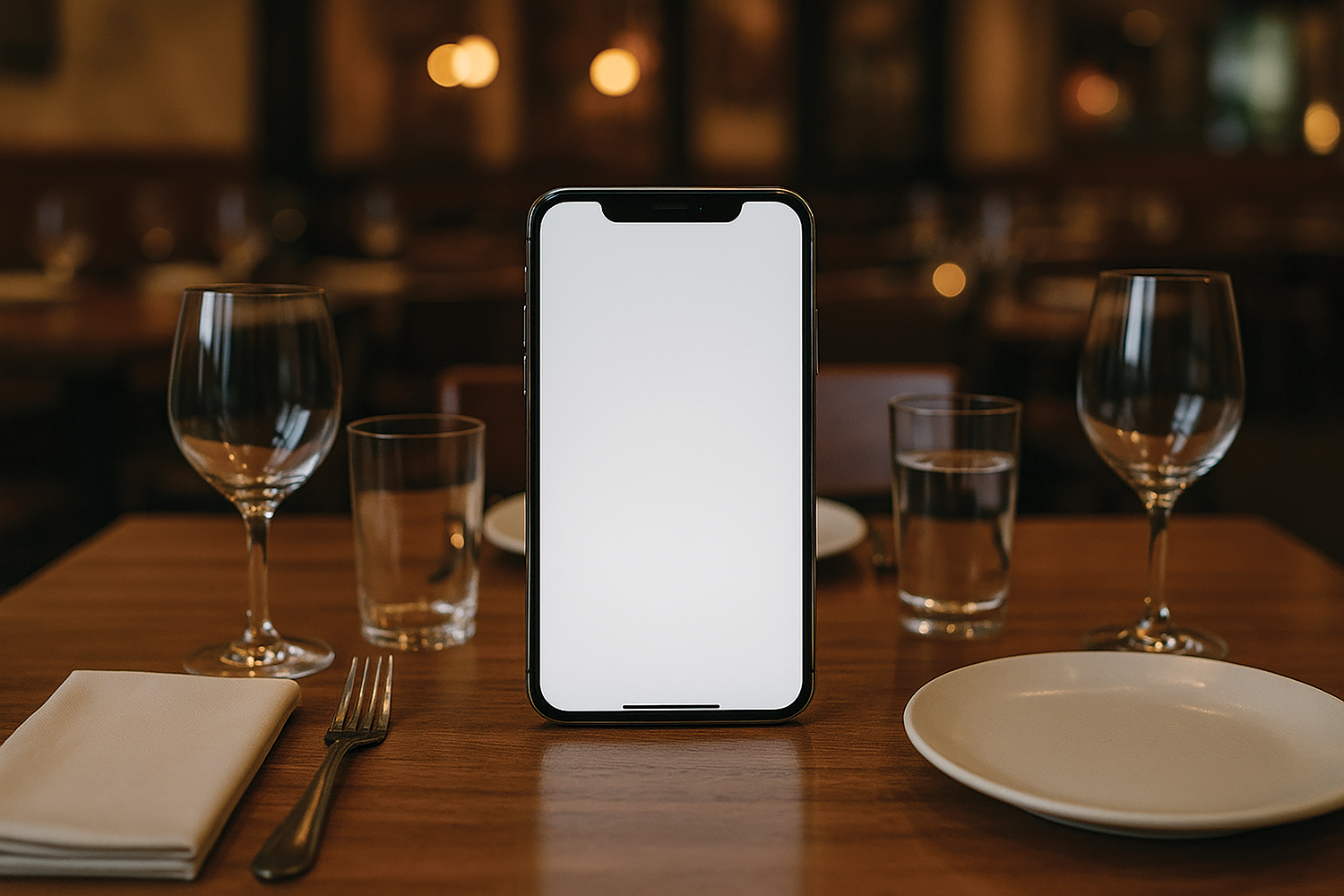
The Social Media Menu: How Digital Platforms are Reshaping the Restaurant Industry
In today’s hyper-connected world, social media has become an undeniable force, transforming industries and reshaping consumer behavior. The restaurant industry, traditionally reliant on word-of-mouth and conventional advertising, is no exception. From discovering new dining hotspots to sharing culinary experiences, social media platforms like Instagram, TikTok, Facebook, and Twitter have become integral to the dining landscape. This article delves into the profound impact of social media on the restaurant industry, exploring how it has revolutionized everything from visual branding and customer engagement to marketing strategies and real-time feedback.
A Feast for the Eyes: The Rise of Visual Storytelling
One of the most significant impacts of social media on the restaurant industry is the heightened emphasis on visual presentation. Platforms like Instagram and TikTok, with their visually-driven nature, have transformed dining into a multi-sensory experience where aesthetics play a crucial role. Restaurants are now meticulously crafting dishes and designing interiors with "Instagrammability" in mind, recognizing that every diner is a potential content creator. A visually appealing dish, captured and shared across social media, can reach thousands of potential customers, acting as a powerful form of organic marketing. This focus on visual storytelling has elevated the importance of food styling, plating, and even restaurant ambiance, transforming dining into a shareable experience.
The Instant Feedback Loop: Navigating the Double-Edged Sword of Online Reviews
Social media has ushered in an era of instant feedback, where diners can share their dining experiences in real-time. This immediacy can be both a boon and a bane for restaurants. Positive reviews and glowing recommendations can go viral, attracting new customers and generating buzz. Conversely, negative reviews can quickly spread, potentially deterring potential diners. This constant feedback loop necessitates a consistently high standard of service and quality, as every interaction has the potential to become a public review. Restaurants must actively monitor their online presence, respond to feedback, and address concerns promptly to maintain a positive reputation in the digital sphere.
Influencer Marketing: Tapping into Engaged Audiences
Collaborations with food bloggers and social media influencers have become a cornerstone of modern restaurant marketing. Influencers, with their established followings and niche expertise, can effectively promote new restaurants, menu items, or special events. By partnering with influencers, restaurants can tap into pre-existing, engaged audiences, often at a fraction of the cost of traditional advertising. While managing influencer relationships requires careful consideration and strategy, the potential rewards in terms of increased brand awareness and customer acquisition can be substantial.
Cultivating Digital Communities: Fostering Customer Engagement and Brand Loyalty
Social media platforms provide restaurants with a powerful tool for building relationships with their customers. Through interactive features like stories, polls, comment sections, and direct messages, restaurants can engage in two-way communication, fostering a sense of community and loyalty. Responding to comments, reposting user-generated content, and sharing behind-the-scenes glimpses humanizes the brand and strengthens customer connections. By actively engaging with their online audience, restaurants can cultivate a loyal fanbase and create a sense of belonging.
Real-Time Promotions and Dynamic Booking: Leveraging the "Always-On" World
The "always-on" nature of social media allows restaurants to leverage these platforms for real-time promotions and dynamic booking management. Flash deals, special menu announcements, and last-minute reservation openings can be communicated instantly to a wide audience, effectively filling empty tables and optimizing revenue during off-peak hours. Social media-driven promotions offer a measurable way to boost foot traffic and drive sales, capitalizing on the immediacy and reach of these platforms.
The Future of Dining: Embracing the Digital Transformation
Social media has fundamentally reshaped the restaurant industry, presenting both new challenges and exciting opportunities. From influencing consumer choices to revolutionizing marketing strategies, the impact of these platforms is undeniable. By embracing the power of visual storytelling, actively engaging with customers, leveraging influencer marketing, and utilizing social media for dynamic promotions and bookings, restaurants can not only survive but thrive in the digital age. Those who effectively integrate social media into their overall business strategy are not just keeping pace with the evolving landscape but shaping the future of dining.