


Social Media’s Rising Influence on Primary Care Sports Medicine Fellowship Recruitment
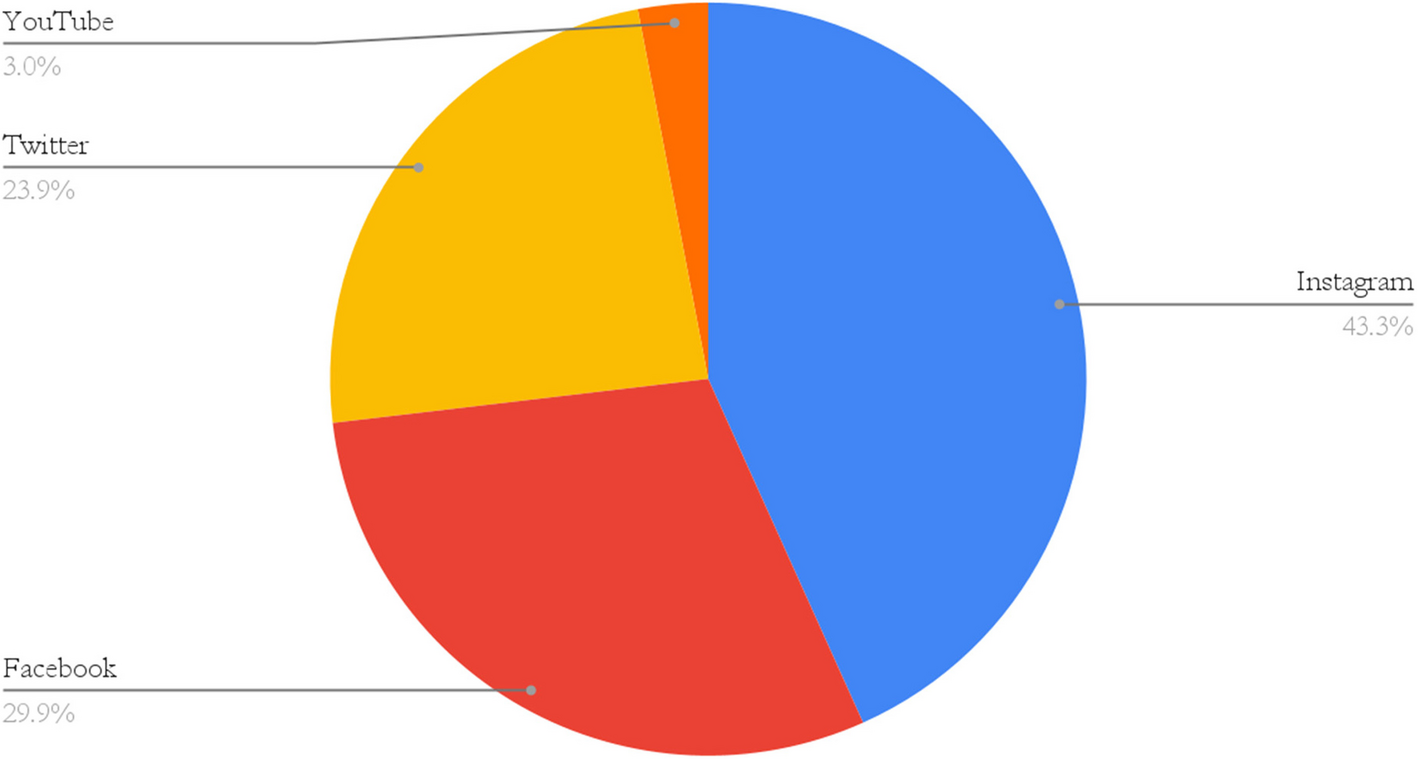
A recent study sheds light on the growing role of social media in the landscape of Primary Care Sports Medicine (PCSM) fellowship programs. The research reveals a significant presence of these programs on various social media platforms, with a vast majority (83%) actively maintaining online profiles. This digital presence provides a powerful avenue for programs to connect with prospective fellows, share insights into their culture and offerings, and ultimately enhance their recruitment efforts. However, the study also identifies a disconnect between program presence and applicant awareness, indicating an untapped potential for maximizing the impact of social media in this field.
While the majority of PCSM fellowship programs embrace social media, a smaller proportion of applicants (35%) actively follow these accounts. This discrepancy suggests a lack of awareness among potential candidates regarding the valuable information and insights available through these platforms. Despite this limited engagement, the study underscores the positive influence social media can exert on applicant perception of a program. Applicants are particularly drawn to content showcasing sports coverage experiences and fellow lifestyle, elements that lend themselves well to the visually rich formats offered by social media platforms. This aligns with previous research highlighting the positive impact of a strong social media presence on program perception among medical trainees.
The study emphasizes the unique advantages social media offers in bridging the gap between programs and applicants, especially those facing geographical barriers or demanding work schedules that hinder in-person interactions. Through engaging content, programs can effectively communicate their culture, academic strengths, and social environment, providing a more comprehensive view than traditional websites. This accessibility can be particularly valuable for applicants who may not have the opportunity to visit programs in person or participate in clinical rotations. The potential of social media to personalize the application process and provide a glimpse into the day-to-day life of a fellow is a key factor in its growing importance.
While the benefits of social media engagement are clear, the study also acknowledges the challenges faced by PCSM fellowship programs in effectively leveraging these platforms. Lack of time, resources, and clear guidelines for appropriate social media use are cited as significant barriers. Nearly half of the program directors surveyed reported the absence of official social media guidelines, contributing to a sense of uncertainty and potentially hindering more proactive engagement. This finding echoes prior research highlighting similar obstacles faced by medical education programs in navigating the complexities of social media.
Despite these challenges, the study points to a growing recognition of social media’s value in recruitment. A parallel survey in radiology revealed a significant percentage of associate program directors incorporating social media into their recruitment strategies, underscoring a broader trend in graduate medical education. The development of clear guidelines and best practices for social media use is crucial to address concerns and empower program directors to confidently harness the potential of these platforms. By providing a framework for ethical and effective engagement, such guidelines can facilitate more robust social media strategies and enhance recruitment efforts.
The study proposes a set of sample guidelines for appropriate social media use by graduate medical education programs, addressing key considerations such as patient privacy, professionalism, and diversity, equity, and inclusion. These guidelines aim to provide a starting point for programs seeking to establish a responsible and effective social media presence. The study acknowledges certain limitations, including potential bias due to convenience sampling and the limited response rate from program directors. However, the demographic profile of the study participants closely mirrors that of the American Medical Society of Sports Medicine, suggesting a degree of representativeness. Further research is encouraged to explore the evolving role of social media in PCSM fellowship recruitment and to develop more comprehensive guidelines that address the unique needs and challenges of this specialized field.