


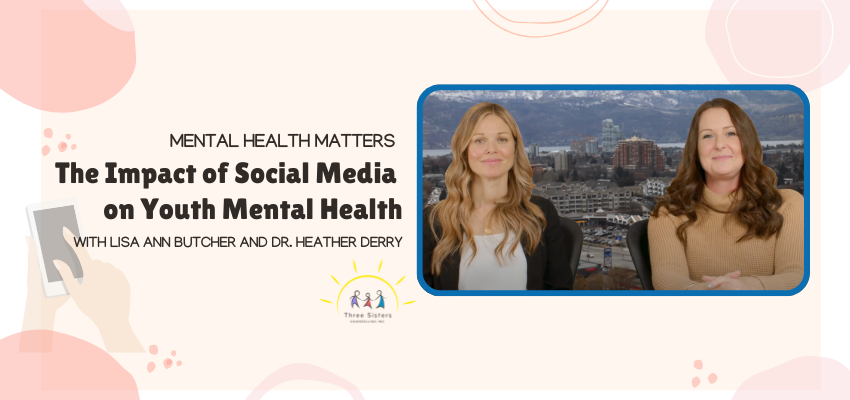
The Double-Edged Sword: How Social Media Impacts Youth Mental Health
Social media has become an undeniable force in the lives of young people, permeating nearly every aspect of their existence. It offers a platform for connection, information sharing, and self-expression. Yet, this digital landscape comes with a dark side, casting a shadow on the mental well-being of a generation constantly tethered to their screens. Experts like Lisa Ann Butcher, a Registered Clinical Counsellor, witness the struggles firsthand, observing an increasing number of young people grappling with the negative impacts of social media on their mental health. Families are struggling to navigate this new terrain, often feeling overwhelmed by the constant presence of devices and the emotional fallout that can result.
The pervasiveness of social media has coincided with a documented rise in mental health issues among youth. Dr. Heather Derry, a child and adolescent psychiatrist, points to a significant increase in anxiety, depression, suicidal thoughts, self-harm, and eating disorders over the past decade, a period marked by the explosive growth of social media platforms. While social media may not be the sole cause of these disorders, it acts as a powerful amplifier, exacerbating underlying vulnerabilities and contributing to a climate of constant comparison and pressure. The curated, often unrealistic, portrayal of others’ lives online sets an impossibly high bar for young people, leaving them feeling inadequate and fueling feelings of anxiety and depression.
The pressure to project a perfect image online isn’t limited to youth. Adults, too, find themselves caught in the web of social comparison. The curated "highlight reels" of seemingly flawless lives, relationships, and achievements create a distorted reality that can leave individuals feeling inadequate and insecure. This drive to portray an idealized version of oneself stems from a variety of factors, including self-esteem issues, personality traits, and generational norms. For Generation Z, who have grown up immersed in the world of online influencers and constant self-documentation, sharing every detail of their lives has become ingrained in their social fabric. This constant sharing often seeks validation from online interactions, and the absence of this validation can further erode self-worth.
In the face of these challenges, setting healthy boundaries around social media use becomes crucial, yet often proves difficult. Parents grapple with finding the right balance, especially when children retreat into the digital world, spending hours isolated in their rooms, scrolling through endless feeds. Experts emphasize the importance of establishing clear limits, encouraging phone-free zones, particularly during family meals and overnight. Uninterrupted sleep is vital for mental well-being, and the blue light emitted from devices, coupled with the stimulating content, can disrupt sleep patterns and worsen mental health issues. Late-night scrolling also exposes young people to potentially harmful content, further jeopardizing their emotional well-being.
While social media doesn’t directly cause psychiatric disorders, it acts as a significant risk factor, particularly for young people undergoing the crucial stage of identity development. They are more susceptible to social comparison and the pressures to conform to online ideals, making them particularly vulnerable to the negative impacts of excessive social media use. This vulnerability is especially pronounced among young girls, who are often bombarded with unrealistic beauty standards and societal pressures. Recognizing this heightened vulnerability is crucial for parents and professionals seeking to mitigate the risks associated with social media use.
Mitigating the negative impacts of social media requires a multi-pronged approach. Self-awareness is key, and encouraging young people to track their screen time and reflect on how social media makes them feel can be a powerful first step. Many teens are taking proactive steps by setting app timers, turning off notifications, and taking periodic social media "cleanses." Promoting real-world interactions and connections is equally important. Encouraging phone-free time with friends, family meals without devices, and fostering an environment where unplugging is acceptable can help young people reconnect with the offline world and build stronger, more meaningful relationships. Parents, too, must model healthy social media habits, being mindful of their own usage and ensuring they are present and engaged with their children. For some children, particularly those who are introverted or neurodiverse, online communities can provide a valuable sense of belonging. In these cases, monitoring the impact on their well-being is critical. If they appear happy, engaged, and balanced, online interactions can be a positive force. However, signs of distress warrant parental intervention and potentially professional support. Social media is a powerful tool, capable of both connection and harm. Finding the right balance, setting healthy boundaries, and fostering open communication are crucial for navigating this complex digital landscape and ensuring the well-being of young people in the digital age.