


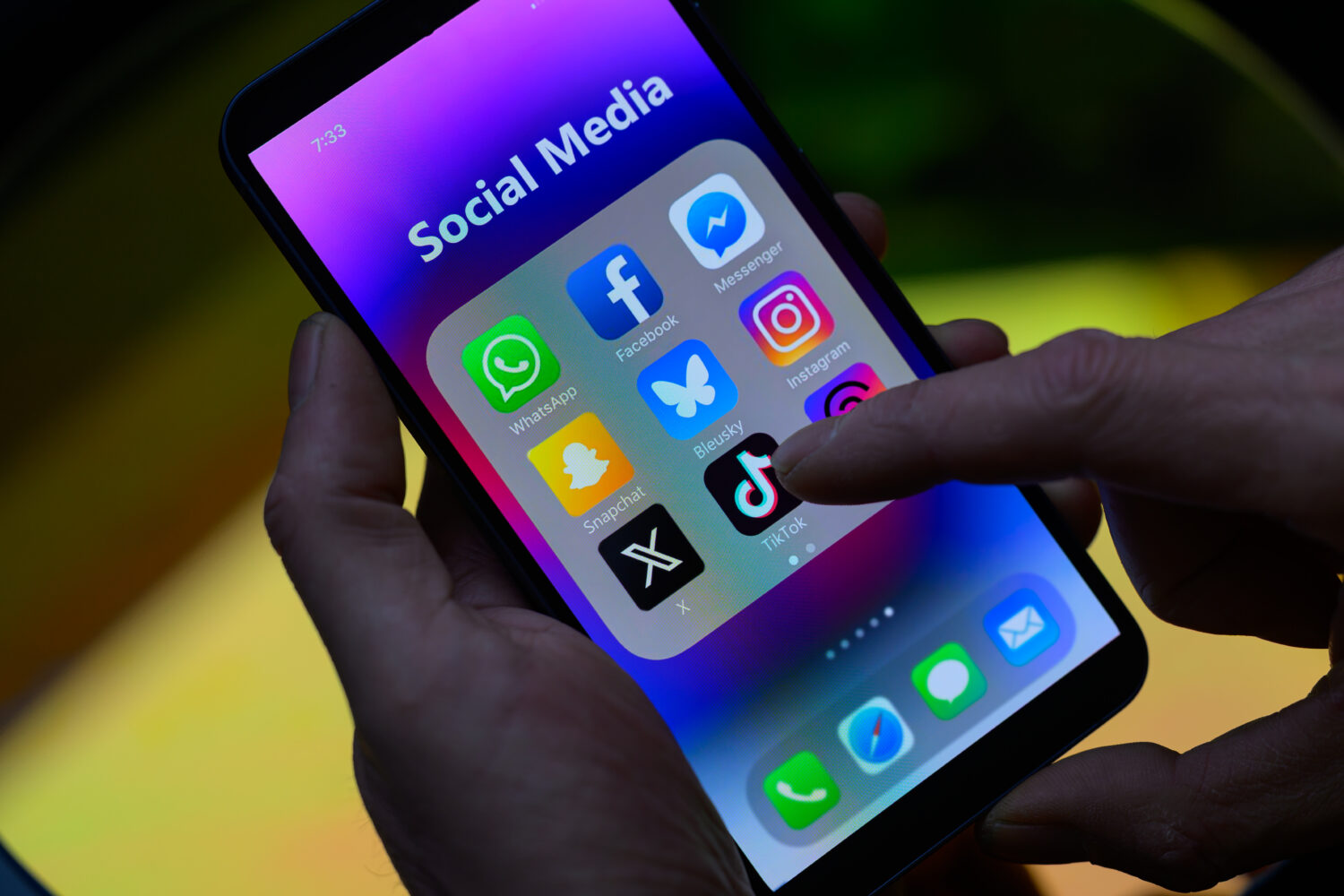
The Deceptive Allure of Social Media: A Growing Epidemic of Addiction and Mental Health Concerns
In an increasingly digitized world, social media platforms have become ubiquitous, seamlessly weaving their way into the fabric of our daily lives. While offering a semblance of connection and entertainment, a growing body of research reveals a darker side to this virtual realm, exposing its detrimental effects on mental well-being. A recent study, adding to the mounting evidence, has once again sounded the alarm bells, highlighting the harmful impact of excessive social media consumption. This revelation has prompted "The Jake and Spike" co-host, Spike O’Neill, to declare that "the evidence is overwhelming," urging for decisive action to address this growing societal concern.
The pervasiveness of social media addiction is startling, with teenagers reportedly spending an average of five to seven hours a day immersed in these digital platforms. However, this dependence is not limited to adolescents; adults, too, find themselves entangled in the web of social media’s allure. Spike O’Neill candidly shared his own struggle with this digital compulsion, recounting an incident where he instinctively reached for his phone upon waking, questioning the underlying motivation behind this automatic behavior. He attributes this impulse to the pervasive "Fear of Missing Out" (FOMO), a phenomenon that drives individuals to constantly seek updates and stay abreast of the latest trends, often at the expense of real-world experiences and personal well-being. This incessant need to remain connected can create a cycle of anxiety and dependence, further reinforcing the addictive nature of social media.
O’Neill’s self-reflection prompted him to embark on a digital detox, deliberately putting down his phone for an extended period. The results were transformative. He experienced a renewed sense of connection with his family, engaging in quality time and completing household tasks together. This respite from the digital world allowed him to escape the constant barrage of information and comparisons that often accompany social media use, leading to a marked improvement in his overall well-being. He expressed empathy for young people who are particularly vulnerable to the pressures and insecurities fostered by these platforms.
The allure of social media is often rooted in its ability to project an idealized version of reality. Users carefully curate their online personas, showcasing only the positive aspects of their lives while concealing the imperfections and struggles that make up the human experience. This curated reality can lead to feelings of inadequacy and envy among those who consume this filtered content. O’Neill, drawing a powerful analogy, suggests that every post on social media is akin to displaying it on a billboard across from one’s mother’s house, emphasizing the public nature of these online pronouncements and the need for greater awareness of the potential ramifications of our digital footprint.
Co-host Jake Skorheim echoed O’Neill’s concerns, expressing hope that society will eventually overcome its infatuation with social media. He advocates for a more mindful approach to technology, particularly when it comes to raising children. Skorheim intends to restrict his children’s access to mobile phones and social media for as long as possible, recognizing the formative nature of these early years and the importance of fostering healthy habits and real-world connections. This proactive approach underscores the growing awareness among parents about the potential risks associated with early exposure to social media.
The detrimental effects of excessive social media use are well-documented. Studies have linked it to a range of mental health issues, including anxiety, depression, body image issues, and sleep disturbances. The constant stream of information and comparisons can lead to feelings of inadequacy and low self-esteem, particularly among young people who are still developing their sense of self. The addictive nature of these platforms also contributes to a decline in real-world social interaction and a diminished ability to form meaningful connections. The curated nature of online personas further exacerbates these issues, creating a distorted view of reality and fueling a cycle of comparison and discontent. The growing body of evidence underscores the urgency of addressing this societal concern and implementing strategies to mitigate the harmful effects of excessive social media consumption.