


A Sinister Campaign of Disinformation Fuels Vigilante Attack on Afghan Refugee in Limerick
Limerick, Ireland – A disturbing incident in early July has exposed the dangerous convergence of social media disinformation, racial profiling, and vigilante violence targeting refugees in Ireland. A 64-year-old Afghan man, seeking international protection, was brutally assaulted after baseless claims about his behavior towards children spread like wildfire across various social media platforms. A joint report by the Hope and Courage Collective and Doras, a migrant support group, reveals a chilling pattern of online harassment, public identification, and coordinated vigilantism culminating in the attack.
The campaign of disinformation began with a fabricated Facebook post falsely accusing the Afghan man of inappropriate behavior towards children. Within hours, the post was amplified across TikTok, Instagram, and X (formerly Twitter), with one video reaching over 249,000 views. The rapid spread of the false narrative fueled a frenzy of online hostility and fear-mongering, transforming the innocent man into a target of suspicion and hatred. Self-proclaimed “community watch” groups, emboldened by the online echo chamber, began filming and harassing the man, further contributing to the escalating climate of fear and prejudice.
On July 1st, the online vitriol spilled over into real-world violence. The Afghan man was surrounded and assaulted in a public space, sustaining a broken nose in the attack. Ironically, the perpetrators, members of the self-styled vigilante group, filmed the assault and framed it as a “citizen’s arrest,” further twisting the narrative and attempting to justify their actions. Despite multiple reports to social media platforms, the violent content, including footage of the assault, remained online, underscoring the urgent need for more effective content moderation policies.
The report’s authors emphasize that this incident is not an isolated event but rather a symptom of a growing trend of coordinated vigilantism in Ireland, often masked under the guise of community safety. Edel McGinley, Director of Hope and Courage Collective, which monitors far-right activity, warns that these groups exploit fear and racism to justify violence, manipulating neutral incidents to create a false and dangerous narrative. In the days leading up to the attack, the Afghan man was subjected to harassment in a local park and filmed, with the footage subsequently posted to social media, further fueling the online campaign against him.
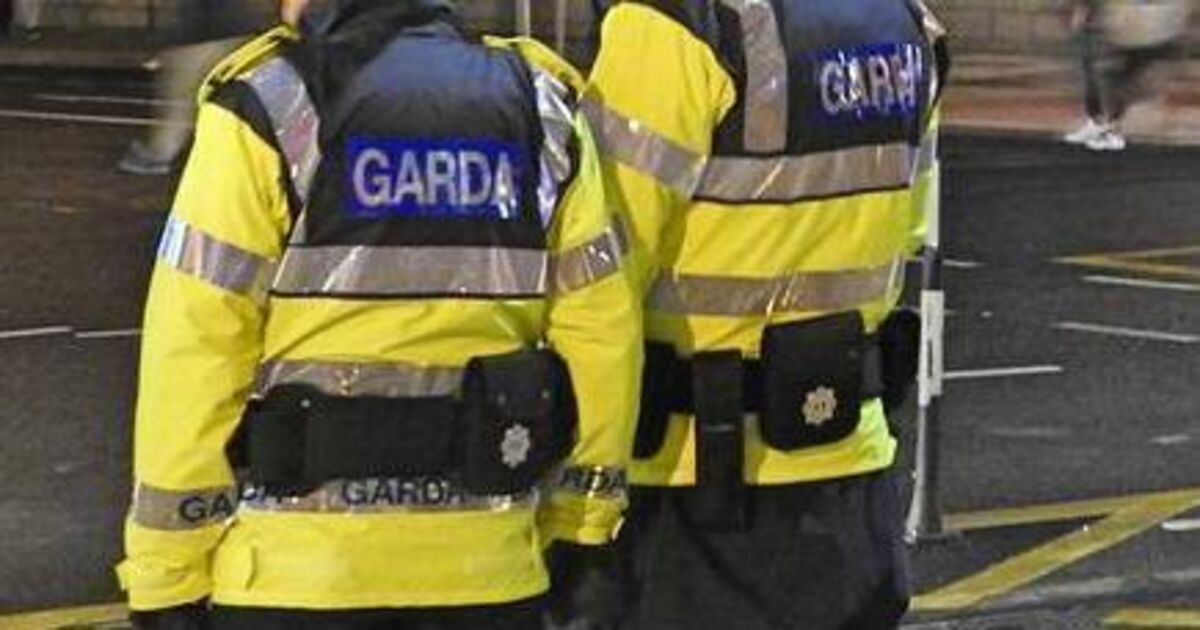
The report highlights the role of a prominent Irish far-right account on X, which shared a post falsely claiming a “Muslim was catcalling children” and blaming the perceived slow Garda response for “pushing society into vigilantism.” This inflammatory post garnered over 190,400 views before being deleted, demonstrating the significant reach and potential for harm posed by these online narratives. The report also exposes how a video of the man leaving the Garda station, where he had gone for his own safety after being confronted by a group, was deliberately misrepresented as evidence of a “citizen’s arrest.”
John Lannon, chief executive of Doras, underscores the tragic irony of the situation, stating, “This man was seeking safety in Ireland and instead found himself at the centre of an online disinformation campaign that turned violent.” He was treated with suspicion, fear, and hostility simply because of his appearance. The report reveals that the victim was later re-identified and harassed again in a different city, highlighting the ongoing risk he faces due to the online dissemination of his image and the persistent false narrative surrounding him. The authors of the report call for urgent action to address the toxic recommender systems that amplify hate and disinformation on social media platforms, advocating for greater user control over online content. Ms. McGinley has specifically urged European Commissioner Michael McGrath to intervene, emphasizing the need to tackle this issue at a policy level. The incident serves as a stark reminder of the devastating consequences of unchecked online hate and the vulnerability of refugees and asylum seekers to targeted violence fueled by disinformation.