








Physicians Report Medical Misinformation Is Worsening, but Social Media — Not AI Chatbots — Remains the Top Culprit, New Survey Finds
A new survey from the Physicians Foundation has delivered a stark warning about the state of medical misinformation in the United States: physicians say the problem is getting worse, and they largely point not to emerging artificial intelligence tools but to familiar, old-fashioned channels of communication. The survey found that 31% of doctors now say patients are influenced by misinformation “a great deal,” a notable jump from the 24% who said the same just one year earlier. The one-year increase, while not a complete reversal, is significant enough to signal a deepening crisis in the clinical encounter. Physicians across specialties are reporting that false and misleading health information is no longer a fringe issue, but a routine part of the patient experience. It shapes the questions patients ask, the treatments they request or refuse, and the degree of trust they place in medical guidance. The findings arrive at a time when public health has already been strained by years of pandemic-related confusion, vaccine debates, and rapidly evolving scientific guidance. Now, the survey suggests, the information environment in which patients make health decisions is becoming even more treacherous. And while much of the public conversation has centered on artificial intelligence and its potential to generate convincing falsehoods, doctors are pointing to older, more human-driven sources as the real engines of misinformation. The data offer a nuanced portrait of the challenge: one defined less by flashy new technology and more by the everyday circulation of unverified claims through social media, conversations with friends and family, and online influencers. For physicians, this means the battle against misinformation is not a futuristic problem; it is happening now, in exam rooms, in telehealth visits, and in the difficult work of persuading patients to follow evidence-based care.
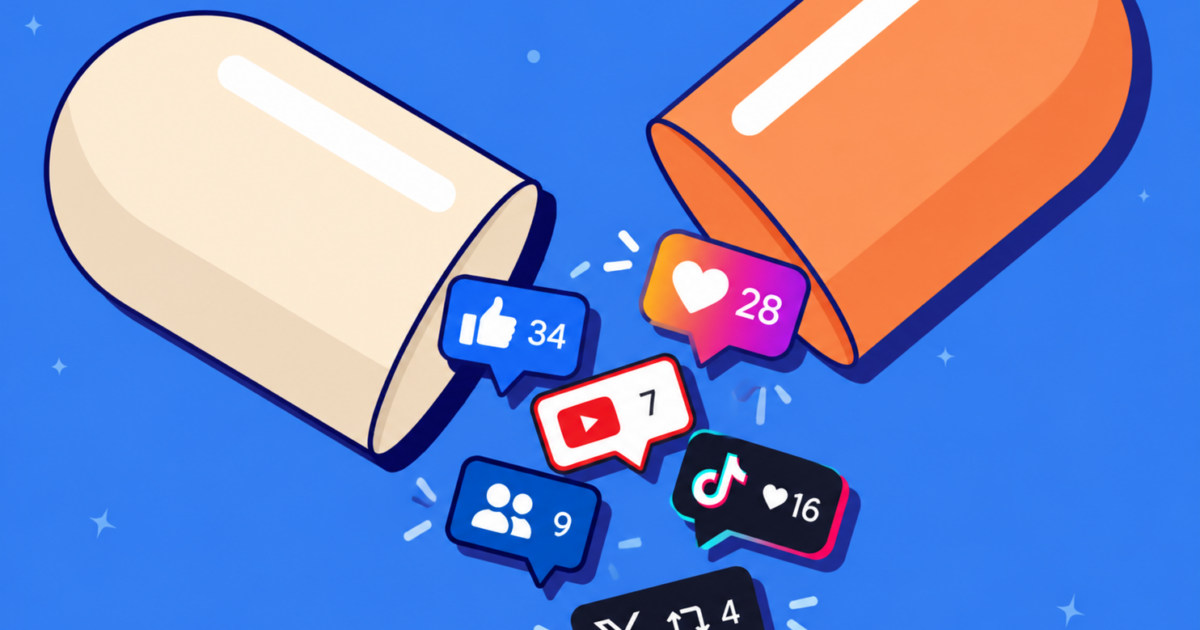
The survey’s most surprising finding may be the relatively small role that AI chatbots play in spreading medical misinformation, at least as perceived by physicians. When asked to identify the top sources of medical misinformation, 85% of physicians cited social media as the biggest culprit. That came as little surprise to anyone who has followed health communication over the past decade. But the second and third most-cited sources were not new technologies; they were word-of-mouth and social media influencers, each named by 74% of physicians. These findings suggest that misinformation is still largely a human network phenomenon, passed from person to person, amplified by algorithms, and given credibility by familiar faces rather than anonymous text generated by artificial intelligence. AI chatbots, despite their growing prominence in public life, were named as the top misinformation source by only 3% of physicians. This is not to say that doctors dismiss the risks of generative AI. Many have expressed concerns about patients using tools like large language models to self-diagnose or to challenge clinical recommendations. But the survey suggests that, for now, physicians are far more likely to encounter misinformation that originates from social media posts, viral videos, celebrity endorsements, and conversations within patients’ own social circles. The phrase “old-fashioned channels still dominate” captures this dynamic well. Social media platforms are not new, influencers are not new, and word-of-mouth is as old as human communication. What appears to be evolving is the scale and speed with which these channels can spread health falsehoods. A single misleading video can reach millions in hours. A family member’s confident reiteration of an online conspiracy can undo weeks of patient education. And because these sources are personal, they carry a kind of emotional weight that a chatbot response may lack. Patients often trust the people they know, or the online personalities they follow, more than they trust institutional medical voices. That is why physicians continue to see misinformation as a deeply social problem, one that cannot be solved simply by regulating algorithms or labeling AI-generated content.
The consequences of this misinformation environment are tangible and, in some cases, serious. The survey found that two-thirds of physicians say misinformation is hurting the quality of care they are able to provide. Another 65% report that misinformation is increasing patient anxiety, and more than a third say it is eroding patient trust in the medical profession. These numbers paint a picture of a healthcare system where the clinical encounter is increasingly strained. Misinformed patients may present with unfounded fears about vaccines, insist on unnecessary tests, refuse lifesaving medications, or request treatments based on viral trends. Physicians find themselves spending valuable time not on diagnosis and treatment, but on debunking claims, correcting misunderstandings, and navigating suspicion. The impact on quality of care is not abstract. A patient who believes that antibiotics can cure a viral infection may pressure a physician to prescribe them, leading to antimicrobial resistance concerns. A patient who distrusts childhood vaccines may expose themselves and others to preventable diseases. A patient who follows an online diet trend may arrive with nutritional deficiencies that are difficult to reverse. Anxiety, too, can have direct health consequences. Patients who are constantly exposed to alarming health information may experience chronic stress, avoid necessary screenings, or catastrophize benign symptoms. The erosion of trust is perhaps the most insidious effect. When patients no longer believe that their physician is acting in their best interest, the foundation of medical care weakens. Shared decision-making becomes more difficult, adherence to treatment plans declines, and health outcomes worsen. Physicians are trained to listen, to explain, and to build rapport, but they cannot completely replace the influence of a patient’s information ecosystem. Even the most skilled communicator will struggle to overcome repeated exposure to falsehoods from sources the patient deems credible. The survey suggests that this struggle is becoming more common, not less, and that the emotional and professional toll on physicians is mounting alongside the clinical risks to patients.
One of the more striking findings concerns physicians’ views of government health agencies. The survey found that 28% of physicians say government health agencies “very often” spread misinformation, while another 39% say these agencies do so “sometimes.” Combined, that means more than two-thirds of physicians believe government health agencies are at least sometimes contributing to the problem. This is a remarkable statistic, and it speaks to the deep erosion of trust in public health institutions that has occurred in recent years. During the COVID-19 pandemic, public health guidance changed rapidly as scientists learned more about the virus. Social distancing protocols were adjusted, mask recommendations were revisited, and vaccine guidance evolved. To some physicians, these changes were a sign of science working properly, with recommendations updated as evidence emerged. To others, however, the shifting messages undermined the credibility of public health authorities. When agencies issue conflicting advice, or when political pressures appear to influence scientific guidance, physicians are left to answer for the confusion. The survey suggests that many doctors are not absolving government agencies of responsibility for the current misinformation landscape. Rather, they see these institutions as part of the problem. This is a delicate issue, because physicians may not always agree with public health policies, but they generally share the goal of protecting population health. When government agencies are perceived as untrustworthy, patients are more likely to seek information elsewhere, often from less reliable sources. The cycle then perpetuates itself: patients distrust official guidance, turn to social media and influencers for answers, become misinformed, and arrive at medical appointments with beliefs that are difficult to dislodge. For physicians, this means they are not only correcting misinformation produced by patients’ social networks; they are also managing the fallout from a broader crisis of confidence in public institutions. The survey’s findings suggest that restoring trust in health agencies is a necessary part of the solution, but it will not be easy. It will require transparency about scientific uncertainty, clear communication about how recommendations are made, and a willingness to acknowledge past mistakes.
Despite the grim findings, the survey also reveals a reason for cautious optimism: nearly all physicians feel equipped to correct misinformation. They believe they have the knowledge and skills to identify false claims, explain evidence, and guide patients toward better understanding. The problem, they say, is not a lack of ability but a lack of time. The survey indicated that doctors simply do not have enough appointment time to do the kind of deep, patient-centered education that correcting misinformation often requires. A standard clinical visit may last fifteen or twenty minutes. In that time, a physician must review the patient’s history, address their primary concerns, perform any necessary exams, make recommendations, and write prescriptions. There is little room for a lengthy discussion about why a viral claim is false, or why a particular treatment is not as dangerous as social media suggests. Physicians report feeling that they are constantly running behind, and the added burden of misinformation makes their work even more difficult. This is not just a matter of inconvenience; it is a structural problem in the healthcare system. Time pressure has been linked to physician burnout, lower patient satisfaction, and poorer health outcomes. When physicians cannot devote adequate time to patient education, they may feel that they are failing both their patients and their professional obligations. The survey’s finding that physicians feel equipped but time-constrained suggests that solutions should focus less on training doctors to communicate and more on giving them the resources and time to do so effectively. This could mean longer appointment slots for patients with complex information needs, greater use of patient navigators and health coaches, and wider availability of culturally appropriate educational materials. It could also mean leveraging technology not as a source of misinformation, but as a tool for providing reliable information. Some healthcare systems are already exploring apps, patient portals, and pre-visit questionnaires to help screen for misinformation and free up clinic time for meaningful dialogue.
Looking forward, the survey offers important lessons for physicians, public health officials, and policymakers. The fight against medical misinformation is not primarily a battle against machine-generated falsehoods; it is a human problem that requires human solutions. Social media platforms must do more to limit the spread of health misinformation, but regulation and content moderation alone will not be enough. Patients need access to trustworthy sources that are as engaging and shareable as the videos and posts that mislead them. Physicians need systemic support to combat misinformation without sacrificing the quality or efficiency of care. Government health agencies must work to rebuild the public’s confidence through transparency, consistency, and genuine engagement with the communities they serve. And the healthcare system as a whole must recognize that misinformation is not an external nuisance but a social determinant of health, one that interacts with education, income, and existing health disparities. The survey’s finding that physicians see misinformation worsening from one year to the next is a warning that no one can afford to ignore. The tools patients use to access information will continue to evolve, and new technologies will create new challenges. But the core issue remains the same: people are making decisions about their health based on information that is not true. Physicians are on the front lines of this crisis, and they are saying clearly that they are feeling the pressure. The question now is whether the broader healthcare system will respond with the investments, policies, and cultural changes needed to support them. The survey suggests that the will is there, the knowledge is there, and the urgency is undeniable. What is missing is the time. Giving physicians the time they need to listen, to explain, and to build trust may be the most important step in reversing the tide of medical misinformation. It will not be fast, and it will not be easy, but the survey makes clear that the alternative is a healthcare system where doctors and patients are increasingly speaking different languages, and where the quality of care continues to suffer. The stakes are too high for inaction. In the years ahead, the medical profession and the institutions that support it will need to adapt to a world where misinformation is persistent, pervasive, and powerful. The good news, according to the doctors themselves, is that they are ready to take on the challenge. They just need the time to do it.


