


Close Menu
DISADISA
  • Home
  • News
  • Social Media
  • Disinformation
  • Fake Information
  • Social Media Impact
Trending Now

Does social media video consumption negatively affect child brain development?

August 25, 2026

Identifying the Most Common Scams Originating on Social Media

August 25, 2026

Government Introduces Updated Communication Policy to Combat Misinformation and Enhance Public Trust.

August 25, 2026
Facebook X (Twitter) Instagram
Facebook X (Twitter) Instagram YouTube
DISADISA
Newsletter
  • Home
  • News
  • Social Media
  • Disinformation
  • Fake Information
  • Social Media Impact
DISADISA
Home»News»Sheriff Salazar Urges San Antonio Residents to Cease Propagation of Inaccurate ICE Information
News

Sheriff Salazar Urges San Antonio Residents to Cease Propagation of Inaccurate ICE Information

Press RoomBy Press RoomJanuary 30, 2025No Comments
Facebook Twitter Pinterest LinkedIn Tumblr Email

San Antonio Sheriff Dispels Misinformation Surrounding ICE Raids, Emphasizes Community Trust

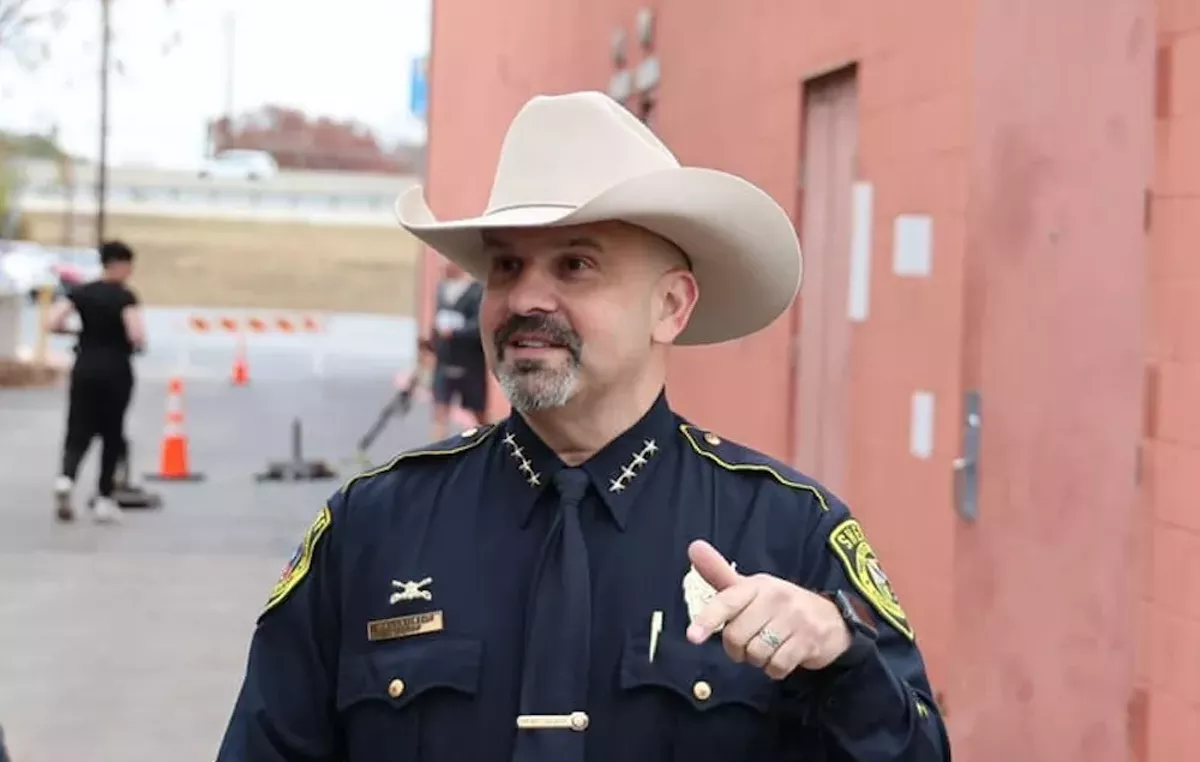
San Antonio, TX – Bexar County Sheriff Javier Salazar has taken to the airwaves to debunk a flurry of misinformation circulating on social media regarding alleged Immigration and Customs Enforcement (ICE) raids in San Antonio. Social media platforms, particularly TikTok, have become breeding grounds for unsubstantiated claims, including videos purporting to show ICE agents conducting sweeps at University Hospital and local flea markets. One widely shared TikTok video even depicts a caravan of police vehicles supposedly en route to San Antonio for immigration raids. Sheriff Salazar, in an interview with CNN, addressed these rumors directly, emphasizing the anxiety and fear they generate within the community.

The Sheriff, a Democrat, categorically stated that the Bexar County Sheriff’s Office has received no requests to assist in any ICE raids in San Antonio. He further refuted the social media narratives, confirming that ICE is not targeting schools or churches within the city. Salazar emphasized the importance of accurate information, particularly in light of President Trump’s recent executive order that permits ICE agents to conduct arrests in sensitive locations such as schools and churches, a reversal of prior policy.

Sheriff Salazar shed light on the intent behind the executive order, explaining that he had been informed by a high-ranking administration official that the change aimed to empower ICE to pursue drug dealers and other criminals who might seek refuge on school or church grounds to evade arrest warrants. He underscored that the Bexar County Sheriff’s Office would not proactively share residents’ immigration status with ICE, reaffirming his commitment to building trust within the immigrant community.

The Sheriff’s public statement serves as a vital counterpoint to the escalating misinformation campaign on social media. His message seeks to allay fears within the immigrant community, assuring both documented and undocumented residents that they can interact with law enforcement without fear of deportation or mistreatment. Salazar’s commitment to treating all residents with respect, regardless of immigration status, underscores the importance of community policing and building trust between law enforcement and the diverse populations they serve.

The spread of misinformation regarding ICE raids highlights the challenges posed by unchecked social media narratives. While social media platforms can serve as valuable tools for information dissemination, they also provide fertile ground for the rapid propagation of false or misleading content. The incident underscores the importance of critical media literacy and the need to verify information from reliable sources before sharing it.

Sheriff Salazar’s proactive approach in addressing the misinformation campaign exemplifies responsible leadership in the digital age. By directly confronting the false narratives, he seeks to restore calm and prevent unnecessary panic within the community. His commitment to transparency and community engagement serves as a model for law enforcement agencies navigating the complex landscape of social media and its potential impact on public perception and safety. The Sheriff’s message of trust and inclusivity resonates powerfully in a time of heightened anxiety and uncertainty, reinforcing the fundamental principle that all residents, regardless of background, deserve to feel safe and protected in their community.

Share. Facebook Twitter Pinterest LinkedIn WhatsApp Reddit Tumblr Email

Read More

Government Introduces Updated Communication Policy to Combat Misinformation and Enhance Public Trust.

August 25, 2026

Low Calbayog Measles-Rubella Vaccination Turnout Attributed to Misinformation

August 25, 2026

Here are a few formal options, depending on the specific context (e.g., a case study title, a project heading, or a business proposal section).

Option 1: Direct & Definitive (Best for Case Studies)

The Client’s Critical Challenge: An Analysis of Key Obstacles

Option 2: Strategic & Analytical (Best for Proposals)

Understanding the Client’s Obstacle: A Strategic Assessment

Option 3: Diplomatic & Professional (Best for Internal Reports)

Navigating Client Issues: A Review of Operational Hurdles

Option 4: Action-Oriented (Best for Problem-Solving Documents)

Addressing the Client’s Situation: Identifying and Resolving Constraints

Option 5: The Strongest Single Phrase (If you need a stand-alone title)

Client Obstacle Assessment

My recommendation for a one-line title that is both formal and specific is:

The Client’s Challenge: Identifying Key Constraints and Solutions.

August 25, 2026
Add A Comment
Leave A Reply Cancel Reply

Our Picks

Identifying the Most Common Scams Originating on Social Media

August 25, 2026

Government Introduces Updated Communication Policy to Combat Misinformation and Enhance Public Trust.

August 25, 2026

Experts to Address Social Media’s Impact on Adolescent Brain Development Amid Continuing Meta Litigation.

August 25, 2026

Coordinated Disinformation Campaigns Target Australian Music Royalty

August 25, 2026
Stay In Touch
  • Facebook
  • Twitter
  • Pinterest
  • Instagram
  • YouTube
  • Vimeo

Don't Miss

News

Low Calbayog Measles-Rubella Vaccination Turnout Attributed to Misinformation

By Press RoomAugust 25, 20260

Paragraph 1: The Alarming Deficit in Calbayog City’s Vaccination Drive In the historic port city…

The Impact of Employment-Oriented Social Media Use on College Students’ Employment Anxiety: Dual Mediating Roles of Social Capital and Risk Perception.

August 25, 2026

Malicious Disinformation Campaigns Target Australian Swimmers and Their Olympic Competitors

August 25, 2026

Here are a few formal options, depending on the specific context (e.g., a case study title, a project heading, or a business proposal section).

Option 1: Direct & Definitive (Best for Case Studies)

The Client’s Critical Challenge: An Analysis of Key Obstacles

Option 2: Strategic & Analytical (Best for Proposals)

Understanding the Client’s Obstacle: A Strategic Assessment

Option 3: Diplomatic & Professional (Best for Internal Reports)

Navigating Client Issues: A Review of Operational Hurdles

Option 4: Action-Oriented (Best for Problem-Solving Documents)

Addressing the Client’s Situation: Identifying and Resolving Constraints

Option 5: The Strongest Single Phrase (If you need a stand-alone title)

Client Obstacle Assessment

My recommendation for a one-line title that is both formal and specific is:

The Client’s Challenge: Identifying Key Constraints and Solutions.

August 25, 2026
DISA
Facebook X (Twitter) Instagram Pinterest
  • Home
  • Privacy Policy
  • Terms of use
  • Contact
© 2026 DISA. All Rights Reserved.

Type above and press Enter to search. Press Esc to cancel.