


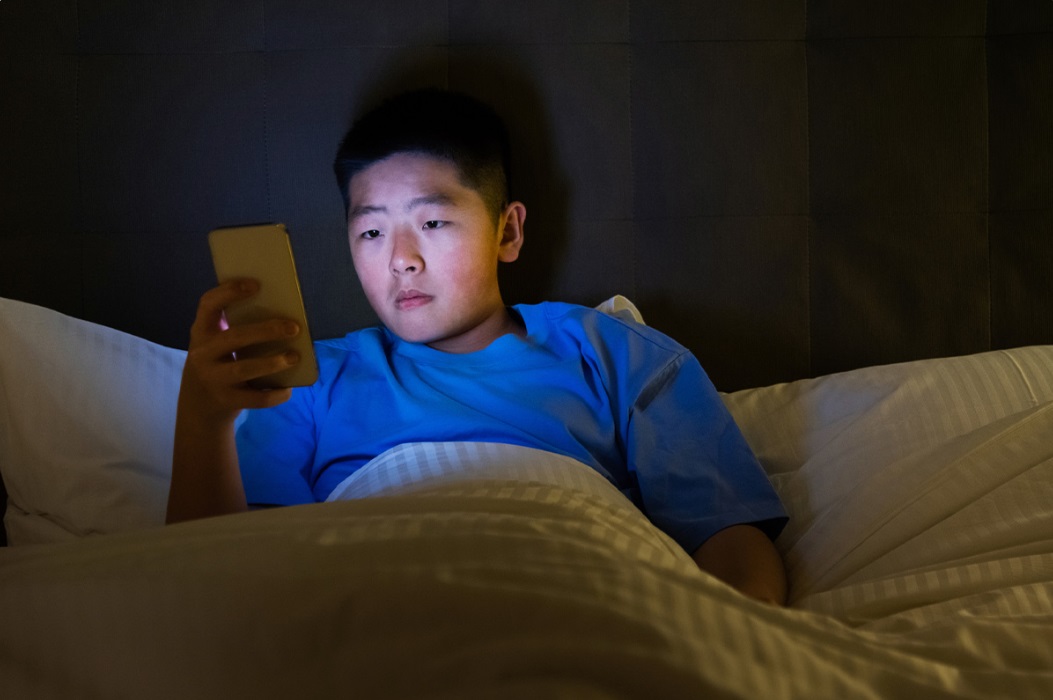
The Growing Threat of Screens and Social Media to Mental Health and Sleep
In an increasingly digital world, screens and social media have become ubiquitous, permeating nearly every aspect of modern life. While the benefits of this technological revolution are undeniable, a growing body of research reveals a darker side: the detrimental impact of excessive screen use and social media engagement on mental health and sleep. This burgeoning field of study indicates a strong correlation between prolonged screen time and a decline in psychological well-being, often mediated by sleep disturbances. The COVID-19 pandemic further exacerbated this issue, with both screen time and social media usage surging, alongside a corresponding increase in mental health challenges and sleep problems, particularly among young people.
This escalating concern has significant implications for mental health professionals, who are witnessing a surge in clients presenting with sleep disorders and related mental health issues. Understanding the interplay between screen addiction, social media usage, and sleep disruption is becoming crucial for effective intervention. Psychologists are now tasked with developing and applying evidence-based strategies to address this multifaceted problem and optimize treatment outcomes for their clients. This necessitates a shift in clinical practice, incorporating knowledge and skills related to managing screen time, social media engagement, and sleep hygiene.
To address this emerging need, Dr. David Lee, a seasoned expert in sleep psychology, presents a specialized webinar designed to equip psychologists with the essential tools to navigate this complex challenge. The webinar delves into the science of sleep, exploring the intricate mechanisms by which screen and social media use disrupt sleep architecture, duration, and quality. It further examines the various types of insomnia and parasomnias that may manifest in individuals grappling with screen addiction.
Dr. Lee’s extensive experience in sleep research and clinical practice informs the webinar’s practical approach. He provides attendees with actionable strategies for identifying and addressing sleep problems in clients struggling with excessive screen use and social media engagement. The webinar emphasizes evidence-based interventions, equipping psychologists with the knowledge and skills to implement effective treatment plans. This includes a deep dive into cognitive behavioral therapy for insomnia (CBTi), a proven method for managing sleep disorders.
The webinar is tailored for a broad audience of psychologists, catering to professionals across diverse practice settings, including clinical, health, and educational contexts. Those working with clients experiencing any form of addiction, particularly those related to phones, screens, and social media, stand to gain significantly from this training. Regardless of career stage, all psychologists seeking to enhance their understanding of the interplay between screens, social media, and sleep are encouraged to participate. The webinar requires no prerequisites, making it accessible to professionals of all levels.
Dr. Lee’s impressive credentials bolster the webinar’s credibility. Holding a PhD in Sleep Psychology from the prestigious Loughborough University Sleep Research Centre, he has dedicated his career to investigating the complexities of sleep and its impact on quality of life, particularly in vulnerable clinical populations. His academic appointments at Bradford and Newcastle Universities, along with his certification in higher education practice, underscore his commitment to teaching and dissemination of knowledge.
Furthermore, Dr. Lee’s extensive experience in delivering CBTi training and his registration as Newcastle University’s Sleep Expert further solidify his authority in the field. His frequent appearances on local and national radio, coupled with his presentations as "Dr Sleep" at Newcastle ScienceFest events, demonstrate his dedication to public education on sleep health. He has a proven track record of delivering impactful training workshops and seminars to a diverse range of healthcare professionals, including psychiatrists, psychologists, GPs, nurses, and therapists. His sold-out courses delivered for the British Psychological Society over the past five years attest to the high demand for his expertise.
Dr. Lee’s contributions extend beyond academia and clinical practice. He provides valuable consultation services to companies and individuals on sleep-related issues and has served as an expert witness in legal proceedings. His research findings, published in internationally renowned peer-reviewed journals, contribute to the growing body of knowledge in the field. He is also the author of the highly regarded book, Teaching the World to Sleep, published by Routledge in 2017. This comprehensive resource underscores his commitment to sharing his expertise and empowering others to improve their sleep health. Through his multifaceted contributions, Dr. Lee plays a vital role in advancing the understanding and treatment of sleep disorders in an increasingly technology-driven world.