


Russia’s Systematic Weaponization of Information: A Blueprint for Atrocity
A groundbreaking May 2025 report by Global Rights Compliance and The Reckoning Project unveils compelling evidence of Russia’s calculated use of information warfare as a tool to facilitate and conceal war crimes during its full-scale invasion of Ukraine. The report details Russia’s strategic deployment of “information alibis,” a sophisticated tactic involving the preemptive dissemination of false narratives designed to deflect responsibility for atrocities committed. This disinformation campaign, orchestrated from the highest echelons of Russian power, has played a crucial role in shielding perpetrators from accountability and obfuscating the truth about the conflict.
The report identifies key figures within the Russian leadership, including President Vladimir Putin, Foreign Minister Sergey Lavrov, and senior presidential administration officials, as the architects of this disinformation operation. These individuals, according to the report, oversee a hierarchical network that leverages state and non-state actors, including media outlets, government-affiliated NGOs, and social media influencers, to propagate fabricated narratives. This coordinated effort ensures wide dissemination of disinformation preceding and following attacks, effectively creating a smokescreen around Russia’s actions.
The devastating attack on the Mariupol Maternity Ward No. 3 in March 2022 serves as a chilling illustration of this tactic. Prior to the airstrike, which resulted in significant civilian casualties and was part of a larger assault that decimated Mariupol’s healthcare infrastructure, senior Russian officials, including UN representative Vassily Nebenzia and Foreign Ministry spokesperson Maria Zakharova, falsely claimed the hospital housed Ukrainian combatants. This preemptive disinformation, as the report demonstrates, aimed to strip the hospital of its protected status under international humanitarian law and justify the attack. Independent investigations, including those by the UN, have conclusively debunked these claims, confirming the hospital was operational and devoid of military presence at the time of the attack. The airstrike, therefore, constitutes an indiscriminate attack and a war crime.
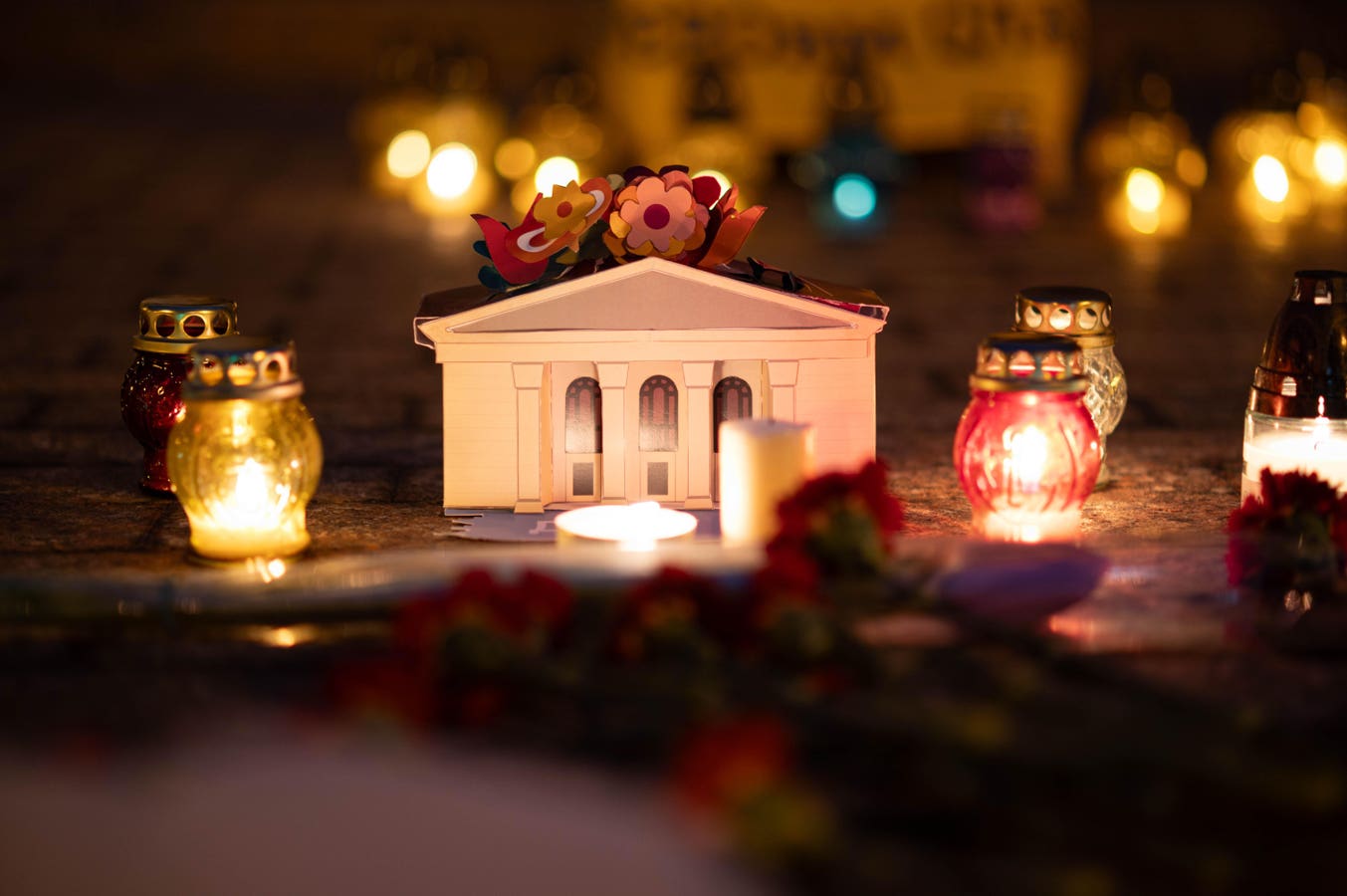
The Donetsk Regional Academic Drama Theatre attack provides another stark example of Russia’s information warfare strategy. The theatre, clearly marked as a civilian shelter housing up to 2,000 people, including numerous children, was bombed despite no evidence of military presence. The report highlights the crucial role of Russian social media channels, including a network of influential military bloggers known as "voyenkors" or "Z-bloggers," in spreading disinformation related to this attack. These bloggers, with an estimated reach of 10 million followers, played a key role in disseminating false narratives that attempted to justify the bombing, demonstrating the scale and reach of Russia’s online disinformation campaign.
The report unequivocally asserts that the use of "information alibis" to plan, execute, or conceal international crimes falls outside the realm of protected speech. While acknowledging the importance of freedom of expression, it argues that such disinformation constitutes a direct contribution to the perpetration of atrocities and should be subject to legal restrictions. The report provides a detailed framework for pursuing accountability under the Rome Statute for individuals involved in disseminating these "information alibis," including high-ranking Russian officials. This framework, developed through meticulous analysis of specific cases, offers a valuable tool for future investigations into information warfare and its role in international crimes.
The report’s findings underscore the urgent need for effective strategies to counter information warfare, a critical battleground in Russia’s war against Ukraine. The manipulation of information, including the dissemination of propaganda, disinformation, and misinformation, has become a central element of modern conflict, enabling the perpetration of atrocities and obstructing accountability. Developing robust mechanisms to identify and counter these tactics is not merely a matter of information hygiene, but a necessary step towards preventing future atrocities, ensuring justice for victims, and establishing the truth about gross human rights violations. The international community must recognize the serious threat posed by information warfare and take concrete measures to combat its insidious effects. The report by Global Rights Compliance and The Reckoning Project offers a crucial blueprint for understanding and addressing this growing challenge.