


2024 US Presidential Election: Under Siege by Russian Disinformation and Interference
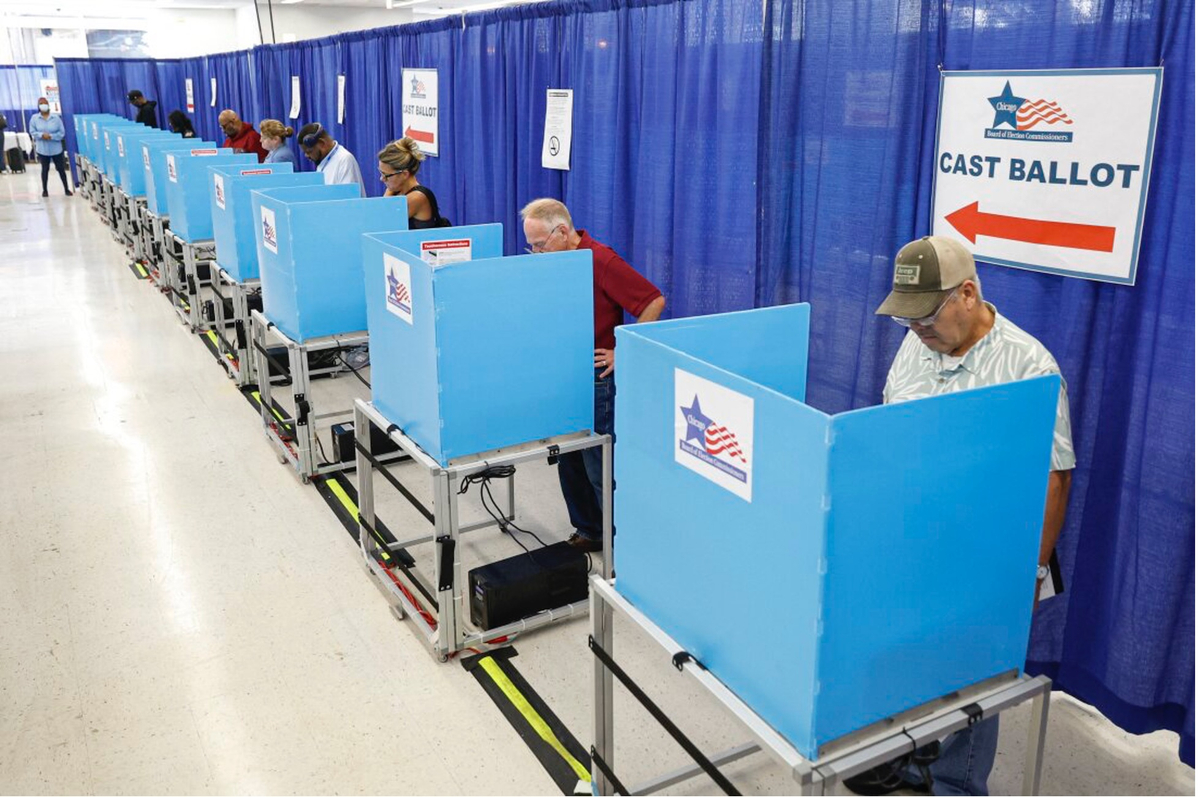
The 2024 US presidential election, held on November 5th, was marred by a concerted campaign of disinformation and interference originating from Russia. While Americans exercised their right to vote, a wave of orchestrated chaos, designed to disrupt the democratic process, unfolded across the nation. The Federal Bureau of Investigation (FBI) confirmed a series of bomb threats targeting polling stations in key swing states like Georgia, Wisconsin, Michigan, and Arizona. These threats, later deemed non-credible, forced evacuations and deterred some voters from casting their ballots. The FBI traced the origin of these threats to Russian domains, exposing a deliberate attempt to sow discord and suppress voter turnout.
Beyond the physical threats, a sophisticated digital operation aimed at undermining the integrity of the election was underway. The FBI uncovered a network of social media accounts, primarily on platforms like X (formerly Twitter) and TikTok, that misused the FBI’s name and insignia to spread fabricated narratives. These accounts disseminated false claims of voter bribery, ballot fraud, and rigged voting machines. Videos purporting to show election irregularities, fabricated by Russian operatives, were widely circulated, further amplifying the disinformation campaign. Adding to the confusion, some accounts impersonated US voters boasting about casting multiple ballots – an illegal act – in an attempt to undermine public trust in the electoral process.
The Russian interference extended beyond fabricated content. Pro-Russian accounts posing as grassroots activists from across the political spectrum, including left-leaning groups, engaged in targeted disinformation campaigns. These accounts, exhibiting high levels of user engagement, disseminated misleading information designed to influence specific segments of the US population. Post-election analysis revealed a coordinated strategy, with many of these accounts falling silent after November 5th, suggesting a deliberate, time-bound operation to manipulate public opinion during the critical election period.
Furthermore, investigations revealed a financial link between Russian state media and various right-wing influencers in the US. These influencers, funded by Kremlin-linked sources, amplified politically charged misinformation throughout the election cycle. This targeted manipulation of social media discourse further fueled partisan divisions and contributed to the erosion of public trust in the electoral system. The DOJ concluded that this operation constituted a clear attempt by the Russian Federation to interfere in the US democratic process.
The effectiveness of this Russian disinformation campaign was amplified by the growing reliance on social media as a primary news source. According to the Pew Research Center, approximately 20% of Americans depend on social media platforms for their news consumption. This reliance on often-unverified information created a fertile ground for the spread of misleading narratives and conspiracy theories. The study further revealed that one in five Americans relied on information shared by social media influencers to inform their understanding of the 2024 election, highlighting the vulnerability of the electorate to manipulated online content.
The 2024 election exposed a critical vulnerability in the American democratic system: the susceptibility of the electorate to foreign disinformation campaigns waged through social media. The ease with which foreign actors can manipulate online discourse, coupled with the increasing reliance on social media for news, poses a significant threat to the integrity of future elections. The events of November 5th underscore the urgent need for a comprehensive strategy to counter foreign interference, protect the electoral process, and restore public trust in the democratic system. While the FBI and other agencies took some measures, like seizing domains and deactivating accounts spreading disinformation, the sheer volume of fabricated content and the speed at which it spread overwhelmed these efforts. The incident highlighted the need for more robust preventative measures and a more proactive approach to combating online disinformation. This includes improved media literacy among the public, stronger regulations for social media platforms regarding the spread of disinformation, and increased international cooperation to address the issue of foreign interference in elections. The 2024 election served as a stark reminder of the evolving threats to democracy in the digital age.