


France Under Siege: Russia’s Multifaceted Destabilization Campaign Unveiled
Paris, France – A chilling report from the Robert Lansing Institute (RLI) paints a stark picture of a multi-pronged Russian campaign aimed at destabilizing France, exploiting social unrest, spreading disinformation, and launching cyberattacks. The Kremlin’s motives, according to the report, are rooted in France’s prominent role within the European Union and its countervailing influence against Russian expansionism in Africa. By weakening France, Moscow aims to fracture the EU’s unified response to its aggression, particularly regarding sanctions and aid to Ukraine, and disrupt NATO’s cohesion. The report details a complex web of hybrid warfare tactics employed by Russia, ranging from covert support for protest movements to sophisticated cyber intrusions and carefully crafted disinformation campaigns.
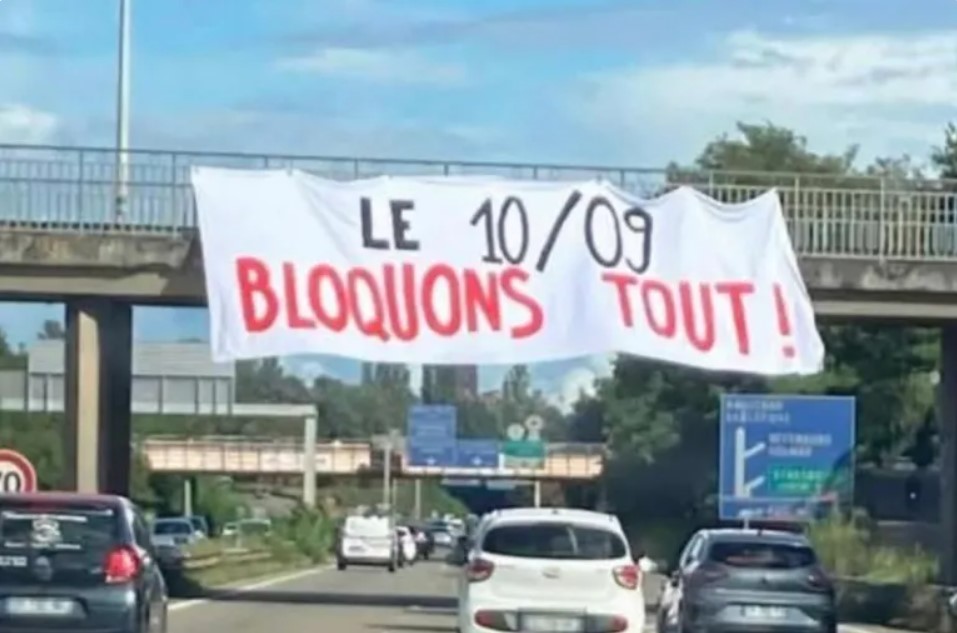
The RLI report highlights Russia’s strategic exploitation of existing social tensions within France. While acknowledging the domestic origins of movements like the “Yellow Vests” and the more recent decentralized “Bloquons Tout” protests, the institute warns of their vulnerability to foreign manipulation. The decentralized nature of these movements, combined with widespread public grievances over economic hardship and government policies, creates fertile ground for Russian interference. Through state-controlled media outlets, Telegram channels, and networks of automated bots, the Kremlin amplifies protest narratives, spreads disinformation, and inflames social and religious divisions. The ultimate goal is to portray France as a nation in decline, riddled with chaos and hypocrisy, undermining public trust in the government and fostering an environment of instability.
The Kremlin’s disinformation strategy is particularly insidious, focusing on exacerbating pre-existing societal fractures. RLI experts note the strategic use of narratives that highlight social and economic inequality, amplify anti-establishment sentiment, and exploit anxieties surrounding immigration and national identity. These tailored narratives often incorporate manipulated information or outright falsehoods, designed to resonate with specific segments of the French population and sow discord. The amplified dissemination of these narratives through social media and online platforms fuels polarization and further erodes public trust in established institutions, creating a climate of suspicion and instability ripe for exploitation.
Beyond manipulating public opinion, the RLI report reveals a concerted effort by Russian intelligence agencies, including the GRU and SVR, to infiltrate French political circles. By recruiting sympathizers within both far-right and far-left activist groups, Moscow seeks to exert influence from within the political system. These efforts extend to cyberattacks targeting French government ministries and critical infrastructure, echoing the 2017 “MacronLeaks” operation that targeted President Emmanuel Macron’s campaign. The report suggests that Russia is strategically leveraging lessons learned from previous influence campaigns, such as the “Yellow Vests” protests, to refine its tactics and maximize their impact on the current socio-political landscape.
While French authorities have documented instances of foreign actors amplifying protest content online and engaging in symbolic provocations, such as the desecration of religious sites, direct evidence linking the “Bloquons Tout” movement to Russian control remains elusive. However, the RLI emphasizes that such actions create an ideal environment for low-cost hybrid operations. These operations range from disseminating disinformation and staging provocations to undermining faith in state institutions, collectively contributing to a climate of instability and distrust. This strategy allows Russia to exert significant influence with minimal direct involvement, exploiting existing tensions and amplifying their disruptive potential.
The Kremlin’s multifaceted approach also encompasses cyberattacks and information campaigns aimed at discrediting French authorities and bolstering anti-system forces. This strategy effectively synergizes with domestic discontent stemming from rising living costs, budget cuts, and austerity measures. The confluence of these factors creates an environment where Russia can further weaken France and divert its attention from its strategic interests in Africa, where Moscow is actively expanding its influence through private military companies in countries like Mali, the Central African Republic, Niger, and Sudan. By destabilizing France, Russia aims to create a power vacuum and advance its own geopolitical agenda across the continent.
In conclusion, the RLI report paints a concerning picture of a sustained and sophisticated Russian campaign targeting France’s stability. This campaign, characterized by its multifaceted approach employing disinformation, cyberattacks, and exploitation of social unrest, poses a significant long-term threat not only to France’s national security but also to the broader security landscape of Europe. As Russia seeks to undermine the foundations of democratic societies and advance its own geopolitical ambitions, understanding and countering these hybrid warfare tactics becomes paramount. The report serves as a stark reminder of the need for vigilance, resilience, and a coordinated international response to address the growing threat of foreign interference in the 21st century.