


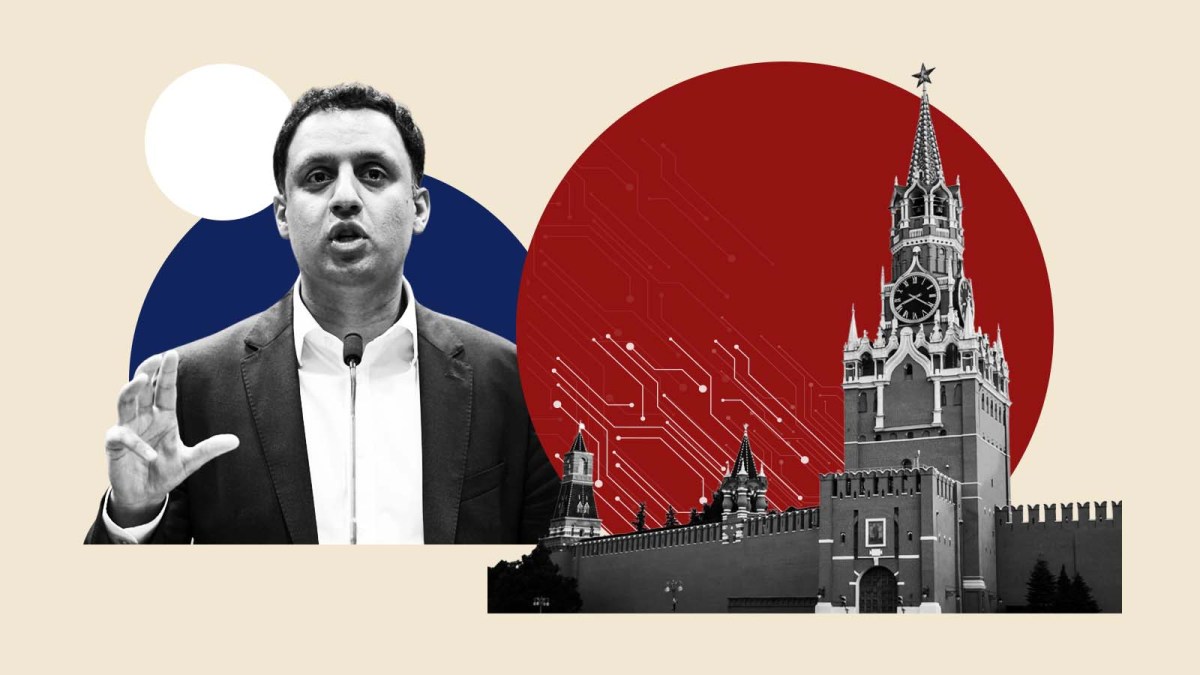
Russia Exploits Gaelic and AI to Spread Disinformation in Scotland
In a disturbing development, Russia is reportedly leveraging the Gaelic language and artificial intelligence to disseminate disinformation within Scotland. This sophisticated campaign aims to exploit cultural sensitivities and linguistic nuances to sow discord and manipulate public opinion, potentially undermining Scotland’s political stability and its relationship with the rest of the UK. The strategy involves creating fabricated Gaelic-language content, including news articles, social media posts, and even deepfake videos, designed to resonate with Gaelic speakers and bypass traditional fact-checking mechanisms. This targeted approach raises concerns about the vulnerability of minority language communities to sophisticated disinformation campaigns.
The use of Gaelic, a language spoken by a relatively small population, allows the disinformation to circulate undetected for longer periods. Mainstream media outlets and fact-checking organizations often lack the resources or expertise to monitor and debunk Gaelic content, creating a fertile ground for the spread of false narratives. Furthermore, the cultural significance of Gaelic within Scotland lends an air of authenticity to the fabricated material, making it more likely to be accepted as genuine by those within the Gaelic-speaking community. This targeted approach allows Russia to potentially exacerbate existing societal divisions, fuel separatist sentiments, or promote pro-Kremlin narratives without facing immediate scrutiny.
The incorporation of AI further amplifies the effectiveness of this disinformation campaign. AI-powered tools can generate realistic and persuasive Gaelic text, translate existing disinformation into Gaelic, and even create deepfake videos featuring prominent figures. This automated approach allows for the rapid and widespread dissemination of fabricated content, making it difficult to track and counter. The use of AI also enables the creation of highly personalized disinformation campaigns, tailored to specific demographics or individuals within the Gaelic-speaking community, further increasing their potential impact. This level of sophistication poses a significant challenge to conventional methods of combating disinformation.
The potential implications of this disinformation campaign are far-reaching. By exploiting cultural sensitivities and linguistic vulnerabilities, Russia aims to erode trust in established institutions, amplify existing social and political divisions, and potentially influence public opinion on critical issues, including Scottish independence. This strategy represents a significant escalation in the use of disinformation tactics and highlights the growing need for enhanced monitoring and countermeasures, particularly within minority language communities. The targeted nature of this campaign raises concerns about the vulnerability of other linguistic and cultural groups to similar forms of manipulation.
Combating this sophisticated disinformation campaign requires a multi-faceted approach. Increased investment in Gaelic language monitoring and analysis is crucial, along with the development of specialized fact-checking resources and training programs for Gaelic speakers. Collaboration between government agencies, media organizations, and tech companies is essential to identify and remove fabricated content, track the spread of disinformation, and expose the actors behind these campaigns. Furthermore, educating the public about the risks of disinformation and promoting media literacy within the Gaelic-speaking community are vital steps in building resilience against these manipulative tactics.
The emergence of this disinformation campaign underscores the evolving nature of information warfare and the increasing sophistication of malicious actors. As AI technology advances, the ability to create and disseminate highly targeted and persuasive disinformation will only become more potent. Therefore, proactive measures, including robust monitoring, enhanced fact-checking capabilities, media literacy programs, and international cooperation, are essential to safeguard democratic processes and protect vulnerable communities from the insidious effects of disinformation. This incident serves as a stark reminder of the need for continuous vigilance and adaptation in the face of evolving threats to information integrity.