


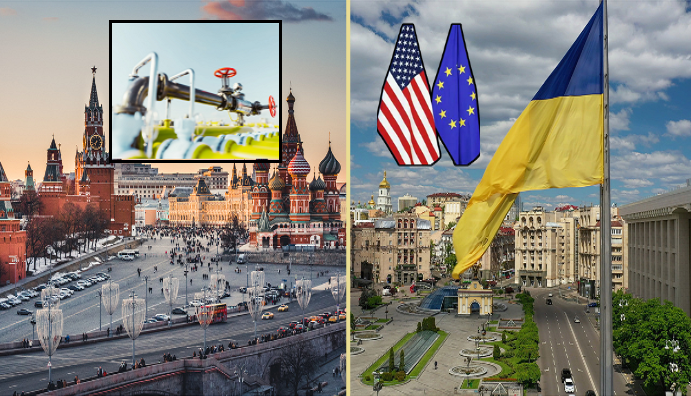
Russia Wages Disinformation Campaign to Retain Grip on European Gas Market
The European Union’s reliance on Russian natural gas has long been a subject of geopolitical concern. Russia has historically leveraged its position as a dominant energy supplier to exert political pressure and maintain influence within the bloc. This dynamic has been further complicated by the ongoing conflict in Ukraine, which has exposed the vulnerability of European nations dependent on Russian gas imports. As Europe scrambles to diversify its energy sources and reduce its dependence on Moscow, Russia has resorted to a sophisticated disinformation campaign aimed at undermining these efforts and sowing discord among EU member states. The campaign, employing a multi-pronged approach across various media platforms, seeks to manipulate public opinion, discredit alternative energy solutions, and ultimately preserve Russia’s energy dominance in the region.
This disinformation offensive utilizes a range of tactics, including spreading false narratives about the causes of the energy crisis, exaggerating the economic consequences of transitioning away from Russian gas, and promoting conspiracy theories about Western intentions. Russian state-controlled media outlets, social media networks, and even ostensibly independent online platforms are exploited to disseminate these misleading messages. The narratives often depict Russia as a reliable energy partner unfairly targeted by Western sanctions, while portraying the move towards renewable energy and other gas suppliers as impractical and economically damaging. The campaign also seeks to amplify existing divisions within the EU, exploiting disagreements among member states regarding energy policy and sanctions against Russia.
One prominent disinformation narrative revolves around the claim that the European energy crisis is self-inflicted, caused by the EU’s own sanctions against Russia and its hasty transition to renewable energy. This narrative downplays the impact of Russia’s deliberate reduction of gas supplies to Europe, portraying it as a legitimate response to Western aggression. It further suggests that the EU’s pursuit of green energy policies is premature and responsible for driving up energy prices, conveniently ignoring the long-term economic and environmental benefits of renewable energy sources. This narrative aims to sow doubt about the viability of alternative energy solutions and create public pressure to lift sanctions against Russia and resume gas imports.
Another tactic employed by Russia’s disinformation campaign is to exaggerate the economic consequences of reducing reliance on Russian gas. Dire predictions of economic collapse, job losses, and widespread social unrest are frequently disseminated through various channels. These narratives aim to create fear and uncertainty among the European public, potentially leading to a decline in support for government policies aimed at diversifying energy sources. By painting a bleak picture of the economic future without Russian gas, the disinformation campaign seeks to discourage European nations from pursuing alternative energy solutions and pressure them to maintain economic ties with Moscow.
Furthermore, the disinformation campaign often resorts to conspiracy theories and misleading information to discredit alternative energy sources and suppliers. For instance, narratives alleging environmental damage caused by wind turbines or questioning the reliability of LNG imports from countries like the United States are frequently propagated. These narratives aim to undermine public confidence in alternative energy solutions, creating the impression that they are neither environmentally friendly nor economically viable. By casting doubt on the feasibility of diversifying away from Russian gas, the disinformation campaign seeks to maintain Europe’s dependence on Russian energy supplies.
The European Union and its member states are increasingly aware of the threat posed by Russian disinformation. Efforts are underway to counter these narratives through fact-checking initiatives, media literacy campaigns, and increased transparency in energy policy decisions. Recognizing the importance of a unified approach, the EU is also working to strengthen coordination among member states in combating disinformation and promoting a common understanding of the energy crisis. However, the sophisticated nature of Russia’s disinformation campaign, coupled with the complexity of the energy landscape, presents a significant challenge. The ongoing battle for public opinion highlights the crucial role of accurate information and critical thinking in navigating the geopolitical complexities of the 21st century and securing Europe’s energy future. The success of the EU’s efforts to counter Russian disinformation will be crucial in determining the future of Europe’s energy security and its relationship with Russia.