


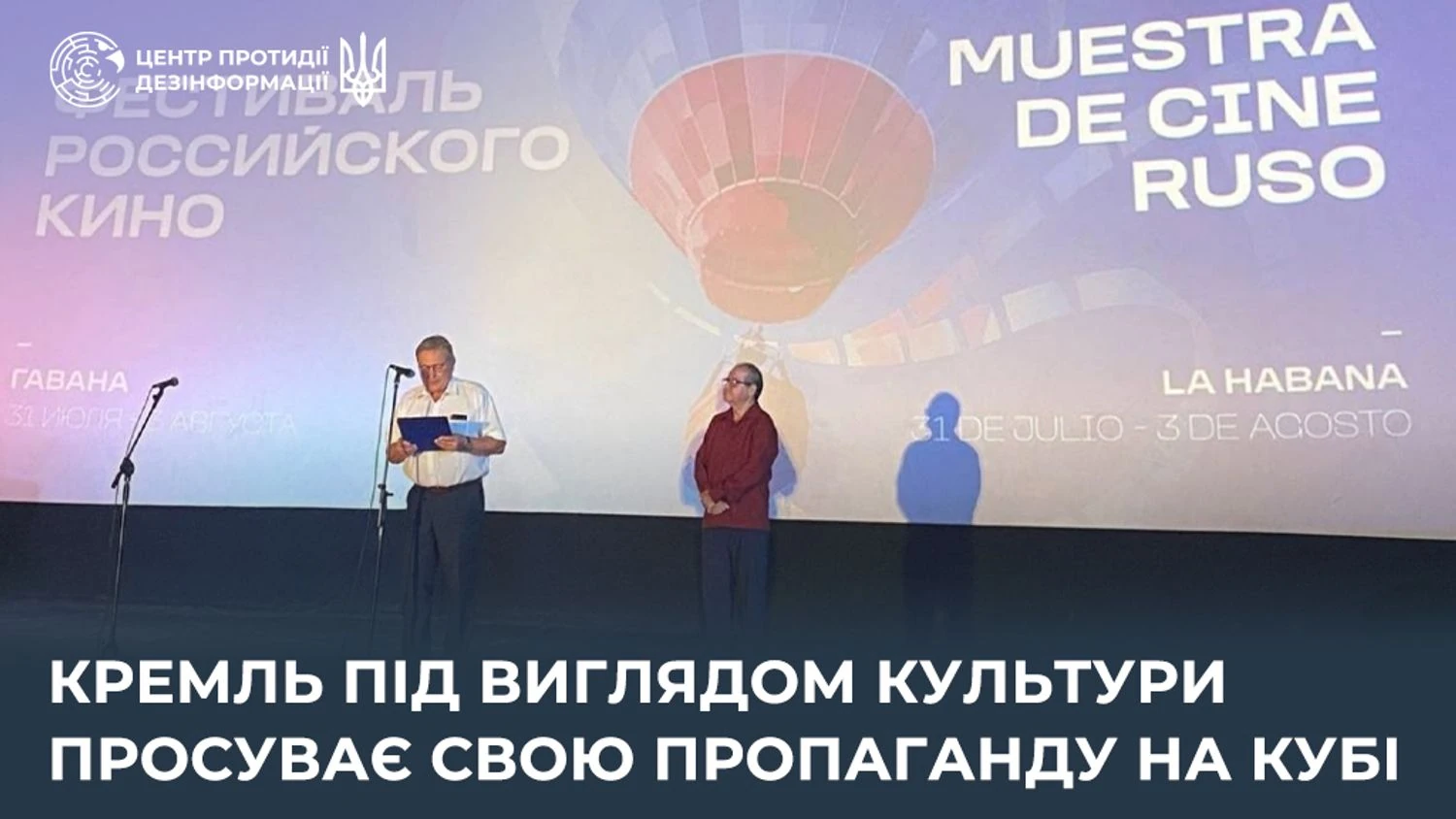
Russia’s Soft Power Push in Latin America: A Film Festival as a Propaganda Tool
The Russian Federation, facing increasing international isolation due to its ongoing war in Ukraine, is intensifying its efforts to cultivate alliances and garner support in regions beyond its immediate sphere of influence. Latin America, with its historical ties to both Russia and the United States, has emerged as a key target for this diplomatic offensive. Under the guise of cultural exchange and educational partnerships, Moscow is actively deploying soft power tools, including film festivals, educational programs, and media outreach, to promote a pro-Russian narrative and counter Western influence. This latest maneuver, however, has raised concerns among international observers who see it as a thinly veiled attempt to spread propaganda and manipulate public opinion.
The recent Russian film festival launched in Havana, Cuba, exemplifies this strategy. Organized with the backing of Russian state entities like Roskino and the Ministry of Culture, the festival showcases a curated selection of films that, according to the Center for Countering Disinformation (CPD), promote “traditional values” often synonymous with pro-Kremlin narratives. These films, the CPD warns, often glorify the Russian military, justify the invasion of Ukraine, and cultivate anti-Western sentiment. While presented as a cultural exchange initiative, critics argue that the festival serves as a platform to disseminate propaganda and shape public perception in favor of Russia’s geopolitical agenda.
This tactic mirrors similar approaches observed in other regions where Russia seeks to bolster its influence. By leveraging cultural events, educational programs, and media partnerships, Moscow aims to build a network of support and counterbalance Western narratives. These efforts, however, are often met with skepticism and criticism, with many accusing Russia of using soft power as a tool for manipulation and disinformation. The CPD, for instance, has warned against such initiatives, emphasizing the need to discern genuine cultural exchange from thinly veiled propaganda campaigns.
The concern surrounding Russia’s soft power push extends beyond the dissemination of pro-Kremlin narratives. Experts warn that these efforts can also be used to destabilize political landscapes and undermine democratic processes. By cultivating relationships with political actors and influencing public discourse, Russia can create an environment conducive to its geopolitical interests. This is particularly concerning in regions like Latin America, which have a history of political instability and susceptibility to external influence.
The contrasting approach to cultural exchange highlights the fundamental difference between genuine cross-cultural dialogue and the instrumentalization of culture for political gain. Authentic cultural exchange fosters mutual understanding, respects diverse perspectives, and promotes genuine dialogue. It recognizes the inherent value of different cultures and seeks to build bridges between them. Russia’s approach, however, appears to prioritize political expediency over genuine cultural understanding, using cultural events as a means to an end rather than an end in themselves.
The international community faces a growing challenge in distinguishing genuine cultural exchange from politically motivated propaganda. As Russia and other nations increasingly utilize soft power tools to advance their geopolitical agendas, the need for critical analysis and media literacy becomes paramount. Recognizing the subtle nuances of propaganda and understanding the motivations behind such initiatives is crucial to safeguarding democratic values and ensuring that cultural exchange remains a force for positive interaction rather than a tool for manipulation.
The simultaneous unfolding of these events – the film festival in Cuba, the deployment of Russian teachers in occupied Ukrainian territories, and the blocking of pro-Russian YouTube channels – paints a complex picture of the information war being waged in the 21st century. Russia’s multifaceted strategy involves both the active dissemination of its narrative through cultural and educational channels and the suppression of opposing viewpoints. The Ukrainian government’s actions against pro-Russian voices, while understandable in the context of an ongoing war, also raise questions about the balance between national security and freedom of expression.
The international community must remain vigilant against such tactics, promoting media literacy and supporting independent journalism to counter disinformation campaigns. Furthermore, fostering genuine cultural exchange programs based on mutual respect and understanding can serve as a powerful antidote to politically motivated propaganda. By investing in these efforts, the international community can strengthen the foundations of democracy and ensure that cross-cultural interactions remain a source of enrichment and understanding rather than a tool for division and manipulation.
The situation in Ukraine adds another layer of complexity to the issue of cultural influence and propaganda. The reported import of Russian teachers to occupied territories raises concerns about the Kremlin’s attempts to indoctrinate Ukrainian youth and undermine Ukrainian national identity. This tactic of imposing a foreign educational system and ideology on a conquered population has historical precedents and underscores the extent to which Russia is willing to go to exert control and influence.
Furthermore, the blocking of pro-Russian YouTube channels in Ukraine, while aimed at combating disinformation, highlights the delicate balance between freedom of speech and national security concerns. While the dissemination of propaganda and misinformation poses a clear threat, censorship also carries risks and raises concerns about potential overreach. The international community must grapple with these complex issues and develop strategies that effectively counter disinformation while safeguarding fundamental rights and freedoms.
The actions taken against individuals like Andriy Serebryansky (“Andriy Luhanskyi”) further demonstrate the Ukrainian government’s efforts to counter pro-Russian narratives within its borders. Sanctions imposed by the National Security and Defense Council against Serebryansky, along with Yulia Latynina and Hennadiy Balashov, underscore the seriousness with which Ukraine views the threat of information warfare. These measures, while necessary in the context of an ongoing conflict, also underscore the need for transparency and due process to ensure that such actions are not misused or applied arbitrarily.
The broader implications of these events extend beyond the immediate context of the Russia-Ukraine war. They highlight the growing importance of information warfare in the 21st century and the increasingly sophisticated methods employed by state actors to manipulate public opinion and achieve political objectives. The international community must develop effective strategies to counter disinformation and propaganda while upholding democratic values and protecting freedom of expression.
In conclusion, the Russian film festival in Havana, the deployment of Russian teachers in occupied Ukraine, and the blocking of pro-Russian YouTube channels represent different facets of a complex information war. These events underscore the need for critical analysis, media literacy, and a nuanced understanding of the motivations behind seemingly benign cultural and educational initiatives. By fostering genuine cultural exchange and promoting independent journalism, the international community can counter disinformation and ensure that cross-cultural interactions remain a force for positive change. The ongoing struggle against propaganda and manipulation requires constant vigilance and a commitment to protecting democratic values in the face of evolving threats.