


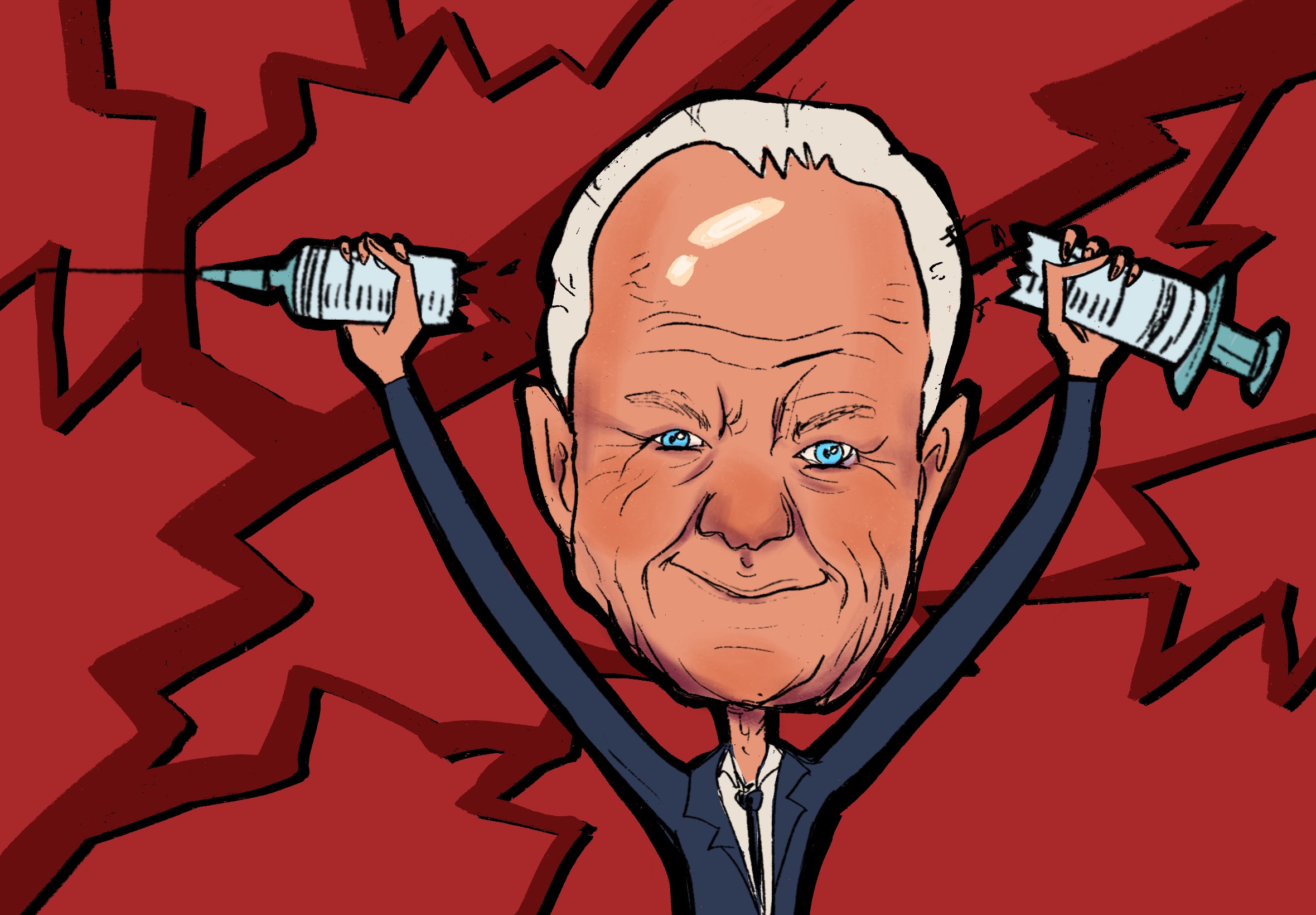
Kennedy Jr.’s HHS Appointment Sparks Controversy Amidst Vaccine Skepticism and Misinformation Concerns
The appointment of Robert Kennedy Jr. to head the Department of Health and Human Services (HHS) has ignited a firestorm of controversy, fueled by his long-standing skepticism towards vaccines and a history of disseminating scientifically unsubstantiated claims. A recent Hill poll revealed that a significant majority of Americans, 61%, disapprove of Kennedy Jr.’s appointment, raising concerns about the potential implications for public health under his leadership. His stance on vaccines, despite repeated denials of being "anti-vaccine," has been a focal point of the debate. Kennedy Jr. has consistently questioned vaccine efficacy, propagated myths linking vaccines to autism, and publicly expressed regret for vaccinating his own children. These actions have directly contradicted established scientific consensus and the rigorous testing protocols mandated for all vaccines used in the United States.
The development and approval of vaccines in the U.S. involve a meticulous process spanning 10-15 years, encompassing extensive research, clinical trials, and ongoing monitoring by the Centers for Disease Control and Prevention (CDC) in collaboration with healthcare professionals. This rigorous framework ensures vaccine safety and reliability, dispelling Kennedy Jr.’s assertion that vaccines haven’t been adequately studied. The controversy surrounding Kennedy Jr.’s appointment extends beyond vaccines to encompass other public health issues. His claims regarding fluoride in drinking water – a scientifically recognized measure for preventing tooth decay – have drawn sharp criticism. Despite evidence supporting the dental benefits of fluoride, Kennedy Jr. has linked it to a range of adverse health effects, including arthritis, bone fractures, and neurodevelopmental disorders.
These claims contradict the established scientific understanding that such effects are only observed at fluoride concentrations significantly higher than those found in U.S. tap water. According to the Harvard School of Public Health, the levels of fluoride in U.S. drinking water are well within safe limits, far below the maximum allowable concentration. Kennedy Jr.’s controversial statements have further extended to the COVID-19 pandemic, where he has made unsubstantiated claims about the virus targeting specific ethnic groups. Health experts universally agree that such assertions are baseless and contribute to the spread of misinformation with potentially harmful consequences. These statements, along with others targeting ethnic groups, run the risk of fueling discriminatory beliefs and fostering microaggressions.
The controversy surrounding Kennedy Jr.’s appointment underscores the crucial role of scientific integrity in public health leadership. As the head of HHS, his pronouncements carry significant weight and can influence public perception and health-related decisions. The spread of misinformation, particularly from such a prominent position, poses a serious threat to public health, eroding trust in scientific institutions and potentially jeopardizing public safety. Critics argue that Kennedy Jr.’s track record of disseminating unsubstantiated claims undermines his credibility and raises questions about his suitability for leading a critical health agency.
The debate surrounding Kennedy Jr.’s appointment highlights the tension between freedom of speech and the responsibility that comes with holding a position of public trust. While he is entitled to his personal opinions, his role as HHS head demands adherence to scientific evidence and responsible communication. The dissemination of misinformation, particularly regarding public health matters, can have far-reaching consequences, impacting individual health choices and undermining public health initiatives. This appointment raises fundamental questions about the qualifications and expectations for leadership in critical government agencies responsible for safeguarding public health.
The implications of Kennedy Jr.’s appointment extend beyond the immediate controversy to encompass broader concerns about the role of science in policymaking and the importance of combating misinformation. In an era characterized by the rapid spread of information, both accurate and inaccurate, it is essential for public officials to prioritize evidence-based decision-making and responsible communication. The controversy surrounding Kennedy Jr.’s appointment serves as a stark reminder of the potential dangers of misinformation and the vital need for scientific integrity in public health leadership. It also raises questions about the vetting process for such critical appointments and the responsibility of public officials to uphold the principles of scientific accuracy and public trust. The long-term impact of this appointment on public health policy and public trust in scientific institutions remains to be seen, but the debate it has ignited highlights the importance of these issues in the current political and social climate.