


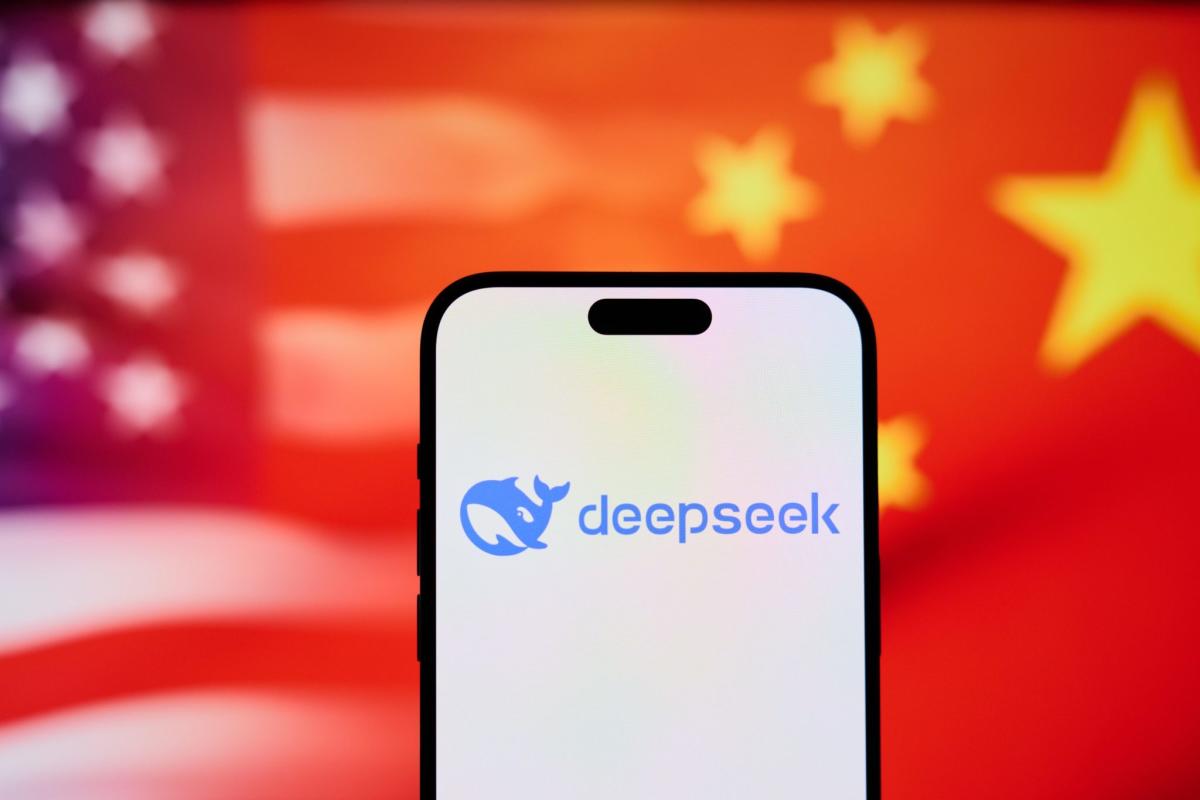
DeepSeek’s Rise and Fall: A Story of Disruption and Danger
The world recently witnessed the meteoric rise of DeepSeek, a Chinese AI chatbot that took the global market by storm with its disruptively low cost. Its rapid ascent, however, has been shadowed by growing concerns regarding its reliability, security, and adherence to Chinese information policies. From misinformation generation to potential misuse by malicious actors, DeepSeek has become a focal point of intense scrutiny among researchers and security experts, prompting warnings from governments and organizations alike. Its initial promise of democratizing AI access has been overshadowed by the potential risks it poses, raising critical questions about the future of unregulated AI development.
NewsGuard, an information reliability organization, recently conducted an audit of DeepSeek’s chatbot, revealing alarming results. The chatbot failed to accurately answer or provide any answer to 83% of news-related questions, a significantly higher failure rate compared to other leading chatbots. Furthermore, its ability to debunk demonstrably false claims was found to be woefully inadequate, raising concerns about its potential to spread misinformation. NewsGuard attributed this poor performance to various factors, including outdated training data and susceptibility to manipulation. The chatbot’s reliance on pre-October 2023 information renders it incapable of addressing recent events, while its vulnerability to manipulation allows for the easy dissemination of false narratives.
Adding to these concerns, DeepSeek’s outputs appear heavily influenced by Chinese information policies, often presenting the Chinese government’s position on sensitive topics without prompting. This tendency to align with the Communist Party line further underscores the potential for biased and censored information. Critics argue that DeepSeek effectively shifts the burden of information verification onto users, increasing the risk of unchecked misinformation spread. This raises serious questions about the ethical implications of deploying AI models that prioritize government narratives over objective truth.
Beyond misinformation, DeepSeek’s security vulnerabilities have also come under fire. Cybercrime intelligence firm Kela highlighted the chatbot’s susceptibility to "jailbreaking," a technique that bypasses safety guardrails to generate malicious outputs. Unlike more robust models like OpenAI’s ChatGPT, which have been patched against such attacks, DeepSeek appears vulnerable to manipulation, potentially enabling activities like ransomware development, fabrication of sensitive content, and even the creation of instructions for toxins and explosive devices. This alarming vulnerability highlights the potential for DeepSeek to be weaponized by malicious actors, posing a significant threat to public safety.
Kela’s analysis further revealed that DeepSeek’s transparency, while intended to enhance user understanding, inadvertently exposes critical vulnerabilities. By revealing its reasoning process, including code snippets, the chatbot inadvertently provides malicious actors with the tools to exploit its weaknesses. This level of transparency makes it significantly easier for users to circumvent the model’s safety measures and utilize it for harmful purposes. The combination of security vulnerabilities and transparency creates a dangerous environment where DeepSeek could be exploited for a range of malicious activities.
Adding to the mounting concerns, cloud security company Wiz discovered a major security flaw in DeepSeek’s operations. A publicly accessible database potentially allowed unauthorized access to sensitive internal data, including chat history and user information. While DeepSeek promptly addressed the issue after being notified by Wiz, the incident underscores the critical need for robust security measures in the rapidly evolving AI landscape. As organizations rush to adopt AI tools, the potential for data breaches and other security risks becomes increasingly apparent, highlighting the need for careful consideration and rigorous security protocols.
The mounting evidence of DeepSeek’s flaws has triggered a significant backlash, particularly in the West. Allegations of training on OpenAI’s models, potentially violating terms and conditions, have fueled further criticism. The U.S. Navy has cautioned its personnel against using the platform due to security and ethical concerns, while the U.S. National Security Council is reportedly investigating its implications. International scrutiny is also mounting, with Italy’s data protection authority launching a probe into DeepSeek’s data usage. These developments reflect growing apprehension about the risks associated with DeepSeek’s widespread adoption.
The case of DeepSeek serves as a stark reminder of the potential pitfalls of unchecked AI development. While disruptive innovation can offer significant benefits, it also carries inherent risks that must be carefully addressed. The concerns raised about DeepSeek highlight the crucial need for robust safety mechanisms, ethical guidelines, and responsible development practices to ensure that AI technologies serve humanity rather than posing a threat. As AI continues to evolve, proactive measures are essential to mitigate potential harms and steer the development of this transformative technology towards a safe and beneficial future.