


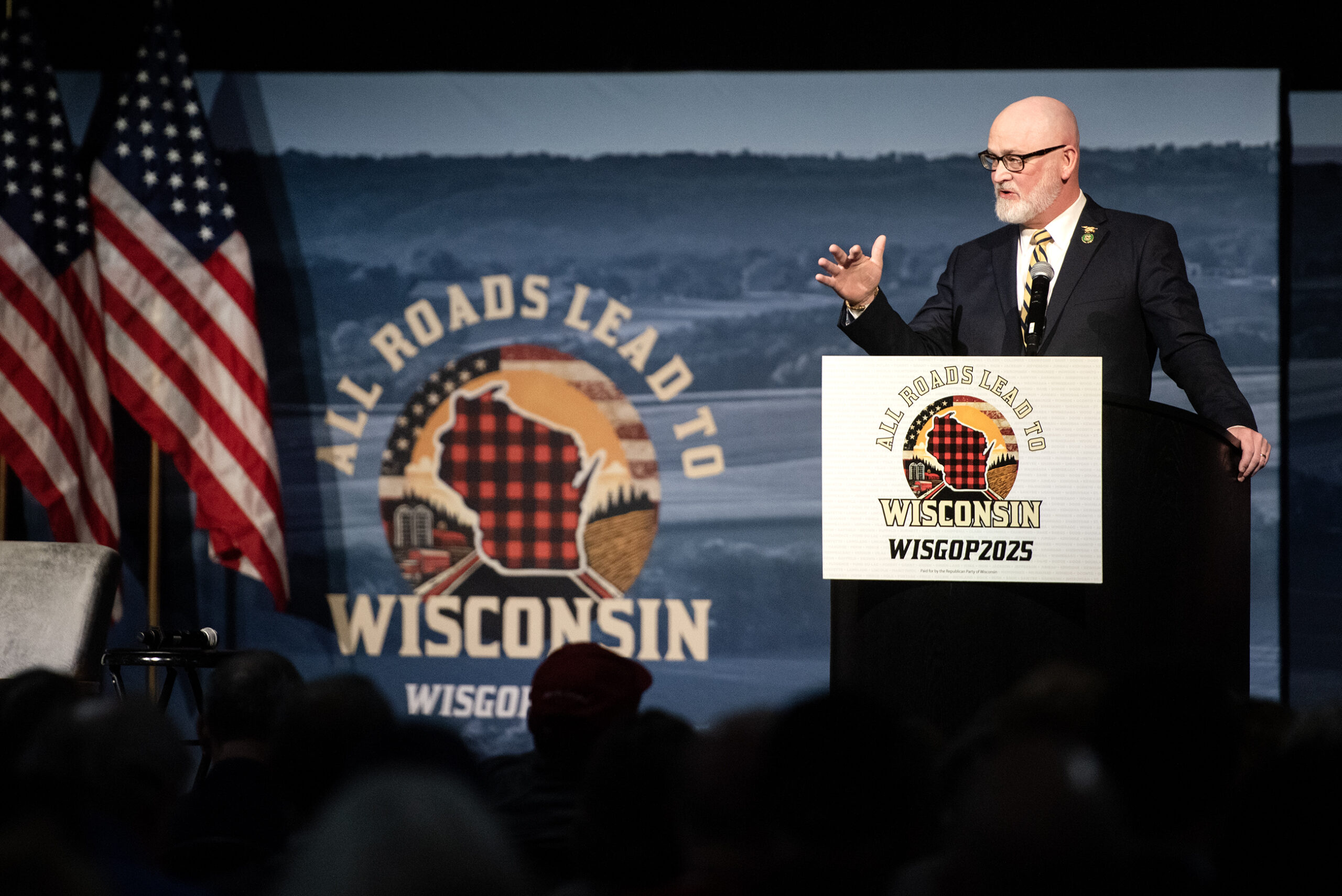
Wisconsin Congressman Fuels Disinformation After Attacks on Minnesota Lawmakers, Sparking Condemnation
A wave of condemnation has erupted following Wisconsin Congressman Derrick Van Orden’s social media posts regarding the recent attacks on Democratic state lawmakers in Minnesota. The attacks, which left former Minnesota House Speaker Melissa Hortman and her husband dead and injured State Senator John Hoffman and his wife, have been labeled as "targeted political violence" by Minnesota Governor Tim Walz. However, Van Orden’s subsequent online commentary, riddled with unsubstantiated claims and inflammatory rhetoric, has drawn sharp criticism for spreading disinformation and escalating political tensions.
Van Orden’s initial response to the attacks, issued through his official social media channel, expressed horror and condemned political violence. Yet, subsequent posts on his personal account painted a drastically different picture. Echoing unsubstantiated right-wing speculation, Van Orden appeared to suggest the attacker was a "Marxist" associated with Governor Walz, a narrative promoted by other Republican figures like Senator Mike Lee of Utah. These claims lack any evidentiary basis and contradict official investigations, which have yet to determine a motive. This stark contrast in messaging reveals a disturbing trend of politicians utilizing official channels for performative condemnations while simultaneously leveraging personal platforms to propagate divisive rhetoric.
Van Orden’s attacks continued with personal insults directed at Governor Walz, whom he labeled a "clown" and "stupid" for his responses to the tragedy. He further accused Walz of appointing "political assassins to boards," referencing the attacker’s previous appointment to a state board, a connection devoid of any evidence of close acquaintance or political motivation. Furthermore, a manifesto attributed to the attacker reportedly named eleven Democratic lawmakers from Wisconsin, adding another layer of complexity to the situation and raising concerns about the potential for further violence.
Experts warn that the spread of disinformation by elected officials like Van Orden carries significant weight and credibility. Professor Erik Nisbet of Northwestern University emphasizes the amplified reach and influence these claims achieve when emanating from an official source. Unlike anonymous online pronouncements, statements from elected officials carry the implicit endorsement of their position and can significantly shape public perception. This highlights the dangerous potential for such pronouncements to incite further division and violence, particularly in an already polarized political climate.
Van Orden’s actions are unfortunately not isolated incidents. Other prominent Republican figures, including Senator Mike Lee and Senator Bernie Moreno of Ohio, have also disseminated unsubstantiated claims about the attacker’s political affiliations. Even Elon Musk, with his massive social media following, weighed in with unsubstantiated accusations against the "far left." This widespread propagation of disinformation exemplifies the growing trend of political figures leveraging social media to disseminate narratives that align with their ideological stances, regardless of factual accuracy. This tendency contributes to the creation of echo chambers where misinformation thrives, further exacerbating political polarization and hindering constructive dialogue.
The pattern of spreading disinformation after tragic events often serves a political purpose. Professor Jeffrey Blevins of the University of Cincinnati points out that such actions often lack consequences, emboldening those who engage in such behavior. He underscores the role of social media in creating echo chambers where individuals are primarily exposed to information reinforcing their existing beliefs, exacerbating political divisions. This dynamic underscores the need for greater accountability for those who spread disinformation, particularly those in positions of power and influence.
The lack of accountability for disseminating disinformation fuels a vicious cycle. Van Orden’s response to calls for an apology highlights this, as he deflects responsibility by pointing to perceived inaction against past instances of political violence. This deflection tactic underscores the need for mechanisms to address the spread of disinformation and hold those responsible accountable. The absence of such mechanisms allows individuals like Van Orden to continue disseminating divisive rhetoric without consequence, further endangering the integrity of democratic discourse and potentially inciting further violence. The urgent need for accountability and mechanisms to combat disinformation cannot be overstated. The future of civil discourse and the safety of individuals may very well depend on it.