


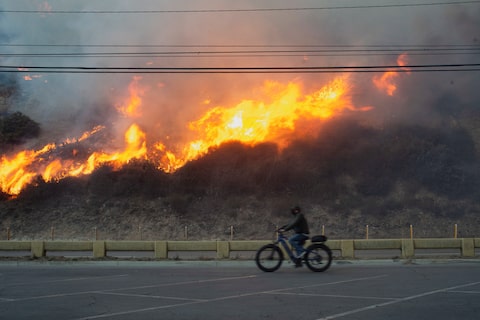
California Wildfires: A Reinsurance Perspective From the Frontlines of Social Media
California’s relentless cycle of wildfires has become a tragic annual ritual, leaving a trail of devastation in its wake. Beyond the immediate human cost and environmental damage, these infernos ignite a ripple effect across multiple sectors, with the reinsurance industry bearing a significant portion of the financial burden. Social media platforms have become a crucial arena for industry professionals to dissect the escalating impact of these fires, offering real-time insights into the evolving challenges faced by insurers and reinsurers. From discussions about rising premiums and evolving risk models to debates surrounding climate change’s role and the future of wildfire mitigation, these online conversations provide a valuable window into the complexities of this unfolding crisis.
One key theme dominating social media discussions among reinsurance professionals is the soaring cost of wildfire-related claims. Experts highlight the escalating frequency and intensity of these events, fueled by a combination of climate change, drought, and overgrown forests, leading to larger and more destructive fires. This translates directly into increased payouts for insurers and reinsurers, driving up the cost of reinsurance coverage. Social media posts often feature detailed analyses of loss estimates, projections of future claim trends, and discussions about the potential for further premium hikes. Many express concern about the long-term sustainability of current reinsurance models in the face of such escalating risks, with some suggesting the need for innovative solutions like parametric insurance or government-backed risk pools.
The evolving understanding of wildfire risk is another prominent topic of conversation. Traditional risk assessment models, based on historical data, are increasingly viewed as inadequate in capturing the dynamic nature of this threat. Social media platforms have become spaces for sharing research on new methodologies, such as incorporating real-time weather data, fuel load assessments, and advanced fire spread simulations. Discussions often revolve around the limitations of existing data sets, the need for greater collaboration between scientific researchers and the insurance industry, and the development of more sophisticated tools for quantifying and managing wildfire risk. The integration of artificial intelligence and machine learning into risk assessment is also a recurring theme, with professionals exploring the potential of these technologies to improve prediction accuracy and enhance underwriting practices.
Beyond the immediate financial implications, social media conversations delve into the broader societal impact of these catastrophic events. Industry professionals share insights on the challenges faced by homeowners and businesses in obtaining affordable insurance in high-risk areas, leading to concerns about insurance availability and affordability. The potential for increased litigation and disputes over coverage is another recurring topic, with discussions emphasizing the need for clear and comprehensive policy language to mitigate post-disaster conflicts. The role of government in wildfire prevention and mitigation efforts is also actively debated, with opinions ranging from calls for greater public investment in forest management and community resilience programs to discussions about the potential for public-private partnerships in addressing this complex issue.
Climate change’s undeniable influence on the intensification of wildfire seasons is a recurring and often passionately discussed topic within these online forums. Professionals share scientific articles, reports, and data visualizations highlighting the link between rising global temperatures, prolonged droughts, and increased wildfire activity. Discussions often focus on the need for a more proactive approach to mitigating climate change risks, with calls for greater investment in renewable energy, sustainable land management practices, and community-level adaptation strategies. Some professionals also explore the role of the insurance industry in promoting climate-conscious behaviors, such as incentivizing homeowners to implement fire-resistant landscaping or offering discounts for properties that meet certain environmental standards.
Looking ahead, the social media conversations among reinsurance experts underscore the urgency of finding innovative and sustainable solutions to address the escalating wildfire risk. Discussions center around the need for a more holistic approach that combines advanced risk modeling, comprehensive mitigation strategies, and greater public awareness. The potential for utilizing technology, such as drones and satellite imagery, to improve fire detection and response is highlighted, along with the importance of cross-sector collaboration between government agencies, insurers, scientists, and local communities. Ultimately, these online exchanges reflect a growing recognition within the reinsurance industry that the wildfire challenge demands a collaborative and forward-thinking approach to protect lives, livelihoods, and the environment from the increasing threat of these devastating events. The ongoing dialogue on social media serves as a vital platform for fostering this much-needed collaboration and shaping a more resilient future in the face of a changing climate.