


Close Menu
DISADISA
  • Home
  • News
  • Social Media
  • Disinformation
  • Fake Information
  • Social Media Impact
Trending Now

Social Media Addiction: Consequences, Risks, and Legal Remedies

August 26, 2026

ActionSA Lodges Formal Disinformation Complaint with IEC Against ANC’s Kgoši Maepa.

August 26, 2026

Health Experts Offer Evidence-Based Guidance for Navigating Online Nutrition Misinformation

August 26, 2026
Facebook X (Twitter) Instagram
Facebook X (Twitter) Instagram YouTube
DISADISA
Newsletter
  • Home
  • News
  • Social Media
  • Disinformation
  • Fake Information
  • Social Media Impact
DISADISA
Home»Disinformation»Rapid Dissemination of Misinformation Regarding the Minnesota Shooting on X
Disinformation

Rapid Dissemination of Misinformation Regarding the Minnesota Shooting on X

Press RoomBy Press RoomSeptember 3, 2025No Comments
Facebook Twitter Pinterest LinkedIn Tumblr Email

A Torrent of Disinformation: How X Amplified Unverified Claims After the Minneapolis Church Shooting

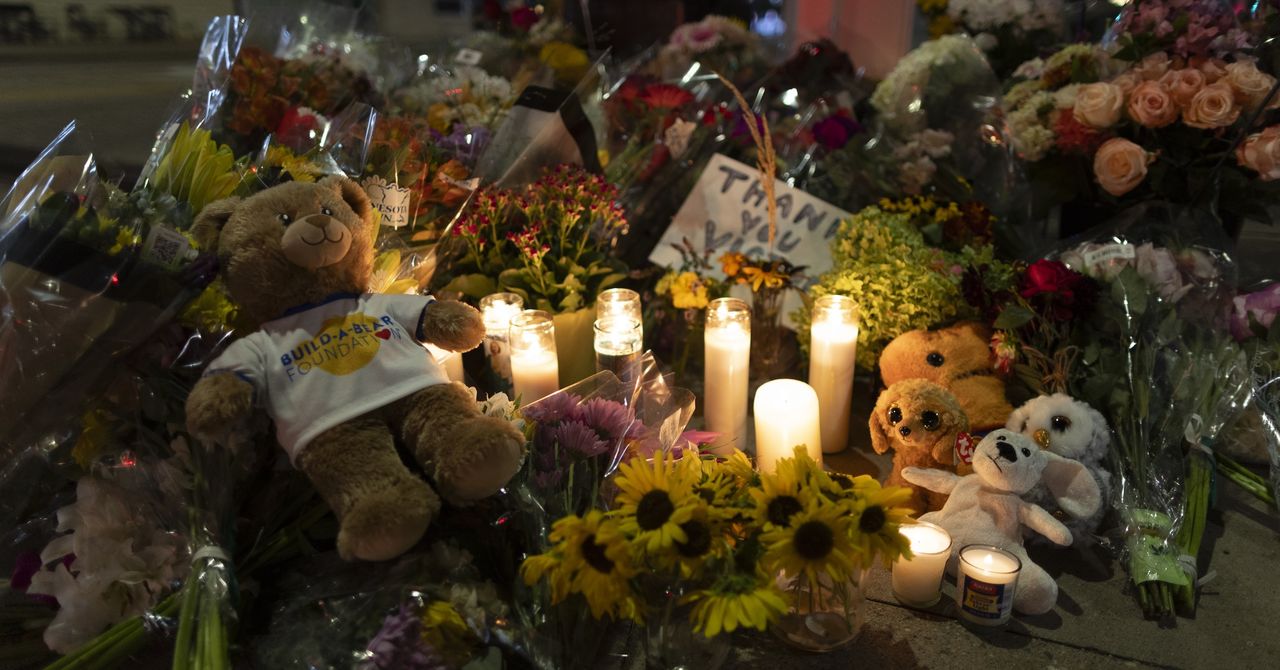
The tragic shooting at Annunciation Catholic Church in Minneapolis last week was swiftly followed by a deluge of misinformation on social media, particularly on Elon Musk’s platform X (formerly Twitter). Minutes after the shooter’s identity was revealed, several videos posted by the perpetrator that morning were removed from YouTube, but not before being downloaded and disseminated across X. These videos, combined with easily shareable screenshots, ignited a firestorm of speculation, conspiracy theories, and unsubstantiated claims about the shooter’s motives. This rapid spread of misinformation underscores the platform’s vulnerability to manipulation and its role in amplifying potentially harmful narratives during breaking news events.

X’s algorithm, designed to prioritize engagement regardless of its nature, created a fertile ground for the spread of extreme and conspiratorial content. This, coupled with the platform’s weakened content moderation policies, enabled the proliferation of unverified allegations blaming various ideologies, including anti-Christian hate, transgender genocide, and white supremacy. These claims, often presented as clickbait and devoid of factual basis, quickly gained traction, accumulating millions of views and reaching a vast audience. Experts like Laura Edelson, an assistant professor specializing in online disinformation tracking, point to X’s algorithmic structure and lax content moderation as contributing factors to this phenomenon.

The shooter’s 11-minute video, laden with over 120 symbols and phrases referencing various hate ideologies, mass shooters, and online communities, became a focal point for the spread of misinformation. Despite warnings from extremism researchers to avoid hasty conclusions given the complex nature of the evidence, numerous X users, including elected officials, law enforcement personnel, and media personalities, cherry-picked elements from the video to support pre-existing narratives and push their own agendas.

One prominent narrative falsely linked the shooter’s transgender identity to the attack. Information about their gender identity, which they had affirmed years earlier, was weaponized by prominent right-wing figures, including politicians like Marjorie Taylor Greene, podcasters, and even Elon Musk himself. This harmful rhetoric, amplified by X’s algorithm, contradicts data indicating that transgender individuals are not disproportionately involved in mass shootings, a fact acknowledged even by X’s own AI chatbot, Grok.

Other unfounded claims centered on religious motivations, suggesting that the attack was driven by anti-Christian or anti-God sentiments, citing writings on the shooter’s weapons. These claims were boosted by figures like FBI director Kash Patel, who publicly mentioned a hate crime investigation targeting Catholics. Conspiracy theorist Laura Loomer attributed the shooting to “leftism and Islam,” while others focused on anti-Israel phrases on the weapons as evidence of antisemitism. These disparate, often contradictory narratives, highlight the chaotic and unreliable nature of information circulating on the platform.

The rapid spread of misinformation on X in the aftermath of the Minneapolis church shooting demonstrates the platform’s susceptibility to manipulation and its contribution to the spread of potentially harmful narratives. The combination of an engagement-driven algorithm, weakened content moderation, and the participation of high-profile users in disseminating unverified claims created a perfect storm for disinformation. This incident underscores the urgent need for greater accountability and responsible platform governance to prevent the amplification of harmful content during critical events. The lack of a robust system for verifying information and countering misinformation allows unverified and often biased narratives to take root and spread rapidly, potentially inciting further violence and societal division. While the shooter’s motives remain under investigation, the hasty conclusions and rampant speculation on X served only to muddy the waters and contribute to a climate of fear and mistrust.

Share. Facebook Twitter Pinterest LinkedIn WhatsApp Reddit Tumblr Email

Read More

ActionSA Lodges Formal Disinformation Complaint with IEC Against ANC’s Kgoši Maepa.

August 26, 2026

The Threat of Anti-Disinformation Legislation to the Public Square

August 26, 2026

Identifying Ethnically Targeted Disinformation on Social Media Platforms

August 26, 2026
Add A Comment
Leave A Reply Cancel Reply

Our Picks

ActionSA Lodges Formal Disinformation Complaint with IEC Against ANC’s Kgoši Maepa.

August 26, 2026

Health Experts Offer Evidence-Based Guidance for Navigating Online Nutrition Misinformation

August 26, 2026

The Threat of Anti-Disinformation Legislation to the Public Square

August 26, 2026

NCIC and Faith Leaders Warn of Misinformation Threat Ahead of 2027 Elections

August 26, 2026
Stay In Touch
  • Facebook
  • Twitter
  • Pinterest
  • Instagram
  • YouTube
  • Vimeo

Don't Miss

Social Media

  1. Analyze the Request:

    • Original title: “How to spot ethnic disinformation on social media”
    • Task: Rewrite this to 1 title in English in a formal tone.
    • Constraints: Only 1 title, formal tone, must retain the core meaning (identifying/detecting ethnicity-based disinformation/falsehoods on social platforms).
  2. Evaluate the Original: The original is clear but uses “spot” (informal/colloquial for this context) and “ethnic” (slightly broad). “Disinformation” is a good formal term.

  3. Brainstorm Formal Alternatives:

    • “Identifying Ethnic Disinformation on Social Media Platforms” (good, formal, direct).
    • “Detecting Disinformation Targeting Ethnic Groups on Social Networks” (more specific, emphasizes targeting).
    • “A Guide to Identifying Ethnically-Focused Misinformation and Disinformation on Social Media” (too long).
    • “Recognizing Ethnic Disinformation in Social Media Environments” (wordy).
    • “Techniques for Uncovering Ethnic Disinformation on Digital Platforms” (practical).
    • Let’s synthesize. Formal titles usually prefer nouns like “Identifying”, “Detecting”, “Assessing”. The subject is specifically disinformation that is ethnic (based on ethnicity/race).
    • Option A: “Identifying Ethnic Disinformation on Social Media” (Best balance of formality, conciseness, and accuracy).
    • Option B: “Detecting Ethnic Misinformation and Disinformation on Digital Networks” (a bit longer).
    • Option C: “Strategies for Identifying Ethnic Disinformation in Social Media”.
  4. Select the Best Title: Option A is the most natural and formal direct translation. Let’s ensure it doesn’t sound like a casual tutorial. “Identifying” is academic/formal. “Ethnic disinformation” is precise. “Social Media” is standard.

    Let’s refine it slightly to be more impactful: “Detecting Ethnic Disinformation within Social Media Platforms” – a bit wordy. “Identifying Ethnic Disinformation on Social Media” – perfect.

  5. Final Check: Does it meet the criteria? 1 title (yes). English (yes). Formal tone (yes – “Identifying” is formal). Same meaning (yes). Let’s goIdentifying Ethnic Disinformation on Social Media

By Press RoomAugust 26, 20260

Ethnic Disinformation Emerges as Major Threat Ahead of Nigeria’s 2027 Elections, Experts Warn By: Nurudeen…

Identifying Ethnically Targeted Disinformation on Social Media Platforms

August 26, 2026

Identifying Health Misinformation

August 26, 2026

AFP Advocates for Countering Foreign Disinformation in the West Philippine Sea

Alternatively: AFP Urges Measures to Curb Overseas Misinformation Regarding the West Philippine Sea

August 26, 2026
DISA
Facebook X (Twitter) Instagram Pinterest
  • Home
  • Privacy Policy
  • Terms of use
  • Contact
© 2026 DISA. All Rights Reserved.

Type above and press Enter to search. Press Esc to cancel.