


Karnataka’s Proposed “Fake News” Law Sparks Press Freedom Concerns
Bangalore, India – A proposed law aimed at combating misinformation in Karnataka has ignited a fierce debate, with press freedom advocates expressing grave concerns about its potential to stifle critical journalism and curtail freedom of expression. The draft bill, which seeks to impose hefty penalties on individuals deemed guilty of spreading “fake news,” has been criticized for its vague language, broad scope, and lack of judicial oversight. Critics argue that the bill’s ill-defined provisions could be easily exploited to silence dissenting voices and create a chilling effect among journalists. The proposed legislation comes at a time of growing concern over the spread of misinformation and the erosion of press freedom in India.
The draft bill, portions of which were leaked to the media, proposes penalties of up to seven years imprisonment and fines of ₹1 million (US$12,000) for individuals convicted of disseminating “fake news” online. The bill’s sweeping definition of prohibited content encompasses material deemed “anti-feminist” or “disrespectful of Sanatan (Hindu) symbols,” raising concerns about its potential misuse for political purposes. The proposed establishment of a state-appointed authority, composed of politicians and government officials, to adjudicate what constitutes misinformation has further intensified these anxieties. The lack of independent judicial oversight in this process has been flagged as a significant flaw, fueling fears of potential bias and abuse.
The bill’s introduction has been met with widespread condemnation from press freedom organizations and digital rights advocates. The Committee to Protect Journalists (CPJ) has called on the Karnataka government to ensure that any legal measures to address misinformation fully safeguard press freedom and uphold journalists’ right to report without fear of reprisal. CPJ’s India representative, Kunāl Majumder, warned that criminalizing vague and undefined forms of “fake news” without proper judicial oversight risks silencing critical journalism and creating a chilling effect. He emphasized the need for clear definitions and safeguards to prevent the misuse of such laws.
Civil society groups have echoed these concerns, criticizing the bill’s lack of clear methodology and standards for identifying false content. Apar Gupta, founder and director of the Internet Freedom Foundation, a prominent Indian digital rights organization, highlighted the absence of clear criteria for fact-checking and discerning misinformation. He argued that this ambiguity leaves the door open for arbitrary interpretations and selective enforcement, potentially targeting critical reporting and dissenting voices. The vague wording of the bill, critics argue, could be used to suppress legitimate journalism and stifle public discourse on sensitive issues.
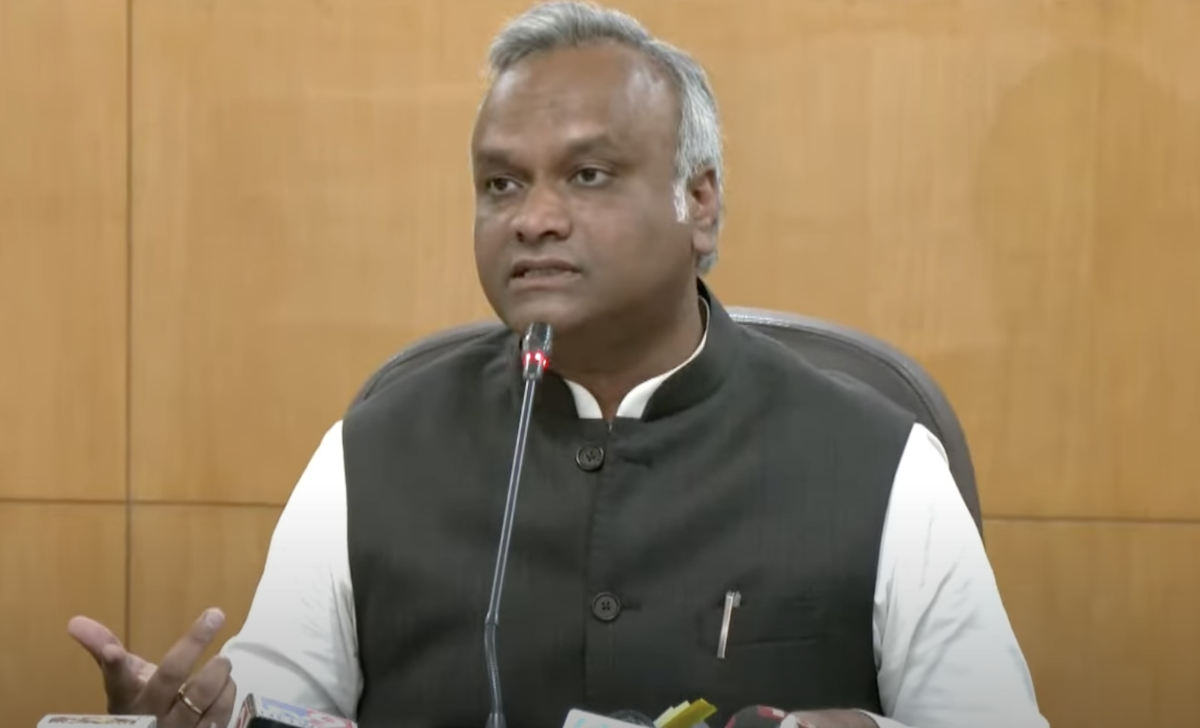
Karnataka’s Information Technology Minister, Priyank Kharge, has attempted to allay these concerns, describing the current version of the bill as an early internal draft. He asserted that broader consultation with stakeholders, including journalism groups, will be undertaken before any formal introduction of the legislation. Kharge maintained that the law aims to counter harmful misinformation, especially during elections, and reiterated the government’s commitment to protecting press freedom. However, critics remain skeptical, pointing to the concerning provisions within the draft bill as evidence of a potential threat to freedom of expression.
The proposed legislation has drawn comparisons to the controversial Information Technology (Intermediary Guidelines and Digital Media Ethics Code) Rules of 2021 implemented by the Indian federal government. These rules granted government authorities the power to unilaterally label online content as “fake” and compel its removal, prompting widespread criticism from free speech advocates. Portions of these rules were subsequently struck down by the Bombay High Court and later stayed by the Supreme Court. The Karnataka bill’s similarities to these contentious rules have fueled fears of a renewed attempt to control online narratives and suppress dissenting voices. Critics argue that such measures undermine democratic principles and create an environment of fear and self-censorship. The controversy surrounding the proposed law underscores the ongoing tension between combating misinformation and protecting fundamental rights in the digital age.