


Philippine Lawmakers Explore Franchising Requirements for Social Media Giants to Combat Misinformation
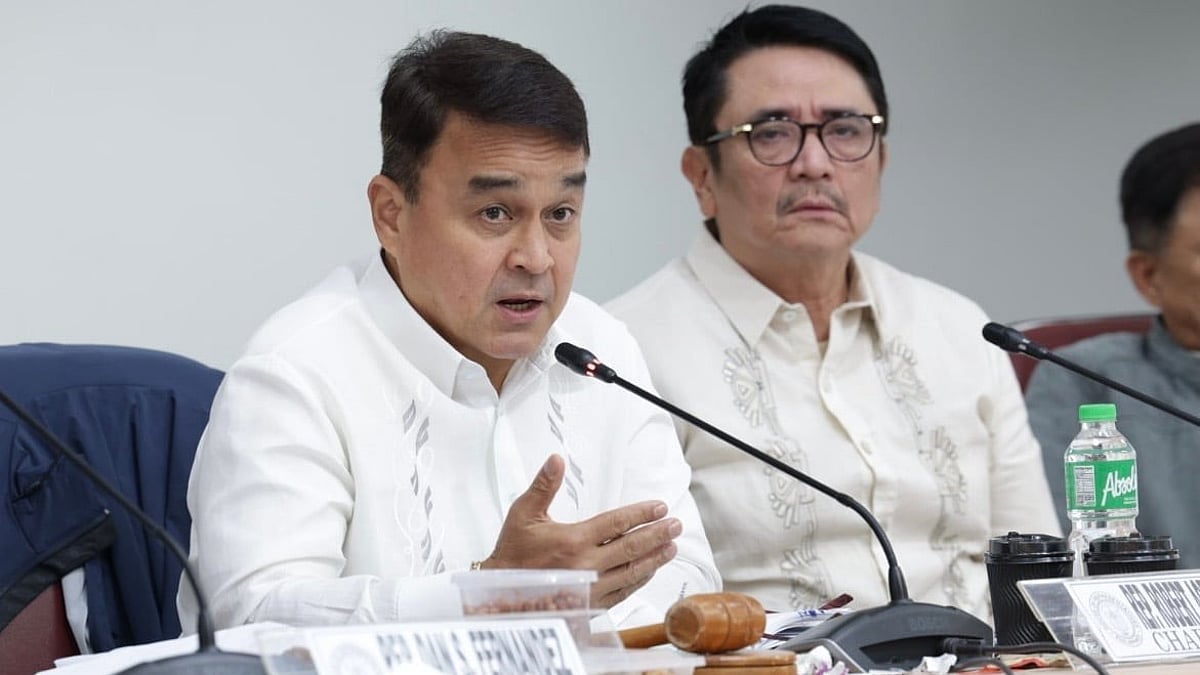
Manila, Philippines – A growing tide of misinformation and fake news propagated through social media platforms has spurred Philippine lawmakers to consider imposing stricter regulations, including the possibility of requiring tech giants like Google, Meta, and YouTube to secure legislative franchises to operate within the country. This proposal emerged during a recent hearing of the House tri-committee tasked with addressing the pervasive spread of false information online. The legislative push reflects a growing global concern over the power and influence of these platforms and the need to hold them accountable for the content shared on their networks.
Surigao del Norte Representative Robert Ace Barbers, a key proponent of the franchise requirement, argued that these platforms derive substantial profits from Filipino users and should therefore contribute to government revenue. He emphasized that a franchise agreement would empower Congress to establish more stringent rules governing content moderation, holding platforms responsible for curbing the activities of vloggers and individuals who disseminate fake news. Barbers believes that this increased oversight is crucial to maintaining a healthy information ecosystem within the Philippines.
However, legal experts have raised questions about the feasibility of imposing franchise requirements on these international tech companies. Kathlyn Jaylou Egipto of the National Telecommunications Commission and Tobias Arcilla of the Bureau of Internal Revenue pointed out that these platforms lack a physical presence in the Philippines, a prerequisite for classification as public utilities and subsequent subjection to franchise laws. This legal hurdle highlights the complex challenge of regulating entities that operate across borders, particularly in the digital realm.
Several alternative approaches to achieve greater regulatory control were also discussed during the hearing. Abang Lingkod Representative Stephen Paduano advocated for amending the Public Service Act to include social media platforms within the definition of public utilities. This amendment, according to Paduano, would provide the legal basis for requiring these platforms to secure franchises. This proposal sparks a debate on whether social media platforms should be treated similarly to traditional utilities, given their integral role in modern communication and information dissemination.
Further expanding the scope of potential regulatory bodies, Agusan del Norte Representative Jose “Joboy” Aquino II, a co-chair of the committee, suggested updating and expanding the mandates of existing media regulators like the Kapisanan ng mga Brodkasters sa Pilipinas (KBP) and the Movie and Television Review and Classification Board (MTRCB) to encompass online platforms. Aquino argues that these established organizations possess the infrastructure and experience to play a vital role in combating the spread of disinformation, particularly in the context of the rise of self-proclaimed journalists online.
The committee’s deliberations reflect a growing urgency to address the proliferation of fake news and its potential to disrupt social order and democratic processes. Lawmakers are grappling with the delicate balance between protecting freedom of expression and ensuring accountability for the dissemination of false information. While the feasibility and effectiveness of the proposed franchise requirement remain under scrutiny, the discussions underscore the Philippine government’s commitment to exploring various avenues to regulate the online information landscape and mitigate the harms of misinformation. The debate raises fundamental questions about the nature of social media platforms, their role in society, and the extent to which governments can and should regulate their operations. Finding a solution that addresses the spread of misinformation without unduly restricting freedom of expression will require careful consideration and collaboration among lawmakers, regulators, and the tech industry itself.
The exploration of franchising requirements for social media platforms in the Philippines signals a shift in how governments worldwide are approaching online content regulation. The traditional frameworks for regulating media and telecommunications may not be readily applicable to these digital platforms, prompting a reassessment of existing legal frameworks and the development of new regulatory strategies. The outcome of these deliberations in the Philippines could set a precedent for other countries grappling with similar challenges, contributing to a broader global dialogue on the governance of online spaces.
The implications of the proposed regulations extend beyond the realm of fake news and misinformation. Requiring franchises could also impact data privacy, competition, and access to information. Lawmakers must carefully consider these potential consequences to ensure that any regulatory intervention strikes a balance between promoting accountability and safeguarding fundamental rights. The ongoing debate highlights the complexity of regulating online platforms, which operate across geographical boundaries and employ sophisticated algorithms that can be difficult to scrutinize.
This evolving regulatory landscape necessitates a multi-stakeholder approach, involving not only government agencies but also civil society organizations, academic institutions, and the tech industry itself. Collaborative efforts are crucial to developing effective strategies for combating misinformation while preserving the benefits of online communication. The challenge lies in finding a solution that empowers individuals to critically evaluate information and make informed decisions without stifling open dialogue and the free exchange of ideas.
The deliberations of the House tri-committee are far from conclusive. Further discussions, consultations, and legal analysis will be necessary to refine the proposed regulations and determine their practicality and effectiveness. The path forward requires a comprehensive understanding of the technical, legal, and societal implications of any proposed intervention. This includes assessing the potential impact on innovation, economic growth, and the fundamental rights of citizens.
The fight against misinformation is a global challenge, and the Philippines is at the forefront of exploring innovative regulatory approaches. The outcome of these deliberations could provide valuable insights for other countries grappling with the spread of fake news and its implications for democratic processes and social cohesion. The international community will be closely watching as the Philippines navigates this complex terrain, seeking lessons that can be applied to develop effective and balanced regulatory frameworks for the digital age.