


Bipartisan Bill Aims to Curb Online Hate and Terrorism
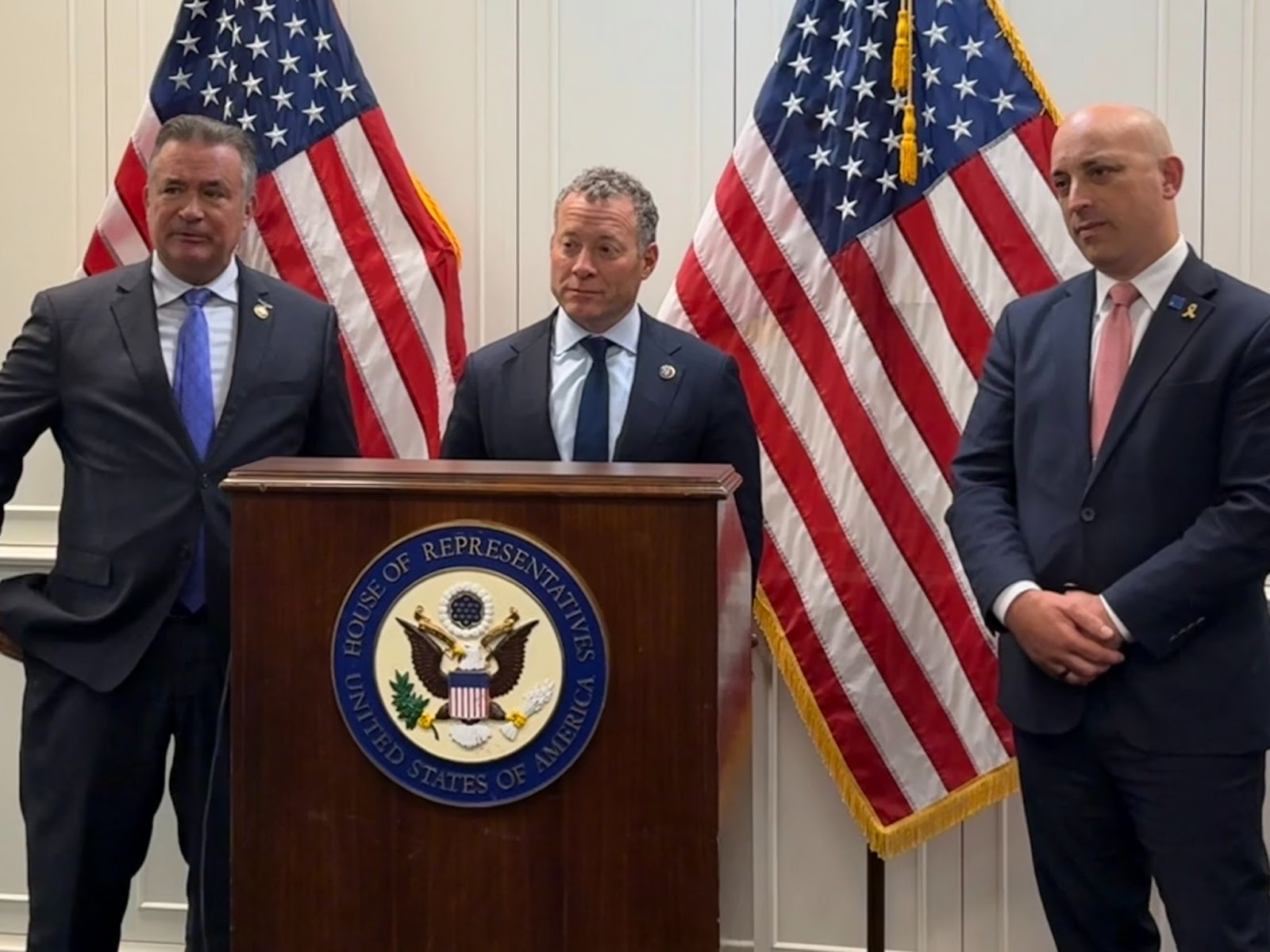
WASHINGTON, D.C. – In response to the escalating proliferation of online hate speech and disinformation, particularly following the October 7 terrorist attacks, Representatives Josh Gottheimer (NJ-5) and Don Bacon (NE-2), along with Anti-Defamation League (ADL) CEO Jonathan Greenblatt, unveiled the bipartisan Stopping Terrorists Online Presence and Holding Accountable Tech Entities (STOP HATE) Act. This legislation aims to hold social media companies accountable for hosting extremist content and compel them to implement more stringent content moderation policies.
The surge in antisemitism and online hate speech has become a pressing concern, fueled by extremist groups exploiting social media platforms to spread propaganda, incite violence, and recruit new members. The lawmakers and ADL leadership stressed the urgent need to combat this alarming trend, citing instances where platforms failed to adequately address reported hate speech, including antisemitic content and even alarmingly, AI-generated posts praising Adolf Hitler and Nazism.
“The world’s oldest hate is crossing borders and going viral,” warned ADL CEO Jonathan Greenblatt. He highlighted how extremists exploit the unregulated nature of online spaces to disseminate hate, radicalize individuals, and incite violence, often in direct violation of the platforms’ own terms of service. The STOP HATE Act, Greenblatt argued, is a crucial step towards ensuring these companies enforce their policies and prevent their platforms from becoming breeding grounds for hate speech and terrorist activity.
The STOP HATE Act mandates social media companies to provide detailed reports on violations of their terms of service, specifically focusing on content generated by Foreign Terrorist Organizations (FTOs) and Specially Designated Global Terrorists (SDGTs). These reports must include a comprehensive explanation of the company’s criteria for determining what constitutes a violation, offering transparency into their content moderation practices. Furthermore, the bill stipulates a $5 million daily fine for non-compliance, creating a strong financial incentive for companies to take swift and decisive action against extremist content.
The legislation also addresses the growing concern surrounding the use of social media by terrorist organizations for recruitment, radicalization, and propaganda dissemination. It tasks the Director of National Intelligence (DNI) with producing a report detailing the online activities of these groups, providing valuable insights into their tactics and strategies. This intelligence will help inform counter-terrorism efforts and contribute to a better understanding of the evolving landscape of online extremism.
Representatives Gottheimer and Bacon emphasized the necessity of holding social media companies accountable for the content hosted on their platforms. They highlighted the alarming findings of the ADL’s 2024 Social Media Scorecard, which revealed the widespread failure of major platforms like Facebook, Instagram, TikTok, YouTube, and X (formerly Twitter) to effectively address reported antisemitic content. They specifically condemned the disturbing incident involving the AI chatbot Grok, developed by xAI, which posted alarming messages supporting Nazism, extreme violence, and sexual assault. These incidents underscore the urgency of implementing comprehensive measures to curb the spread of hate and disinformation online.
The October 7 terrorist attacks and the subsequent surge in online antisemitism served as a stark reminder of the real-world consequences of unchecked online hate. Extremist groups seized upon the attacks to further their hateful agendas, disseminating inflammatory content and calls for violence. The STOP HATE Act represents a bipartisan effort to address these critical issues and ensure that social media platforms are not weaponized to promote hatred, incite violence, and undermine social cohesion. The legislators stressed their commitment to working with social media companies to implement effective solutions and create a safer online environment.
The proposed legislation also recognizes the unique challenge posed by foreign-owned platforms, particularly those with connections to the Chinese Communist Party (CCP), such as TikTok. The often vague content moderation policies of these platforms raise concerns about the potential exposure of young Americans to propaganda and disinformation from foreign adversaries. The STOP HATE Act seeks to establish clearer guidelines and oversight mechanisms to mitigate this risk and protect the integrity of online information.
The bill’s focus on transparency, accountability, and enforcement represents a crucial step towards combating the proliferation of hate speech and terrorist content online. The lawmakers expressed hope for swift passage of the STOP HATE Act, emphasizing the urgent need for a comprehensive approach to address this growing threat. The ADL has voiced its strong support for the legislation, recognizing its potential to make a significant impact in the fight against online hate and extremism.
The proposed legislation also recognizes the unique challenge posed by foreign-owned platforms, particularly those with connections to the Chinese Communist Party (CCP), such as TikTok. The often vague content moderation policies of these platforms raise concerns about the potential exposure of young Americans to propaganda and disinformation from foreign adversaries. The STOP HATE Act seeks to establish clearer guidelines and oversight mechanisms to mitigate this risk and protect the integrity of online information.
The bill’s focus on transparency, accountability, and enforcement represents a crucial step towards combating the proliferation of hate speech and terrorist content online. The lawmakers expressed hope for swift passage of the STOP HATE Act, emphasizing the urgent need for a comprehensive approach to address this growing threat. The ADL has voiced its strong support for the legislation, recognizing its potential to make a significant impact in the fight against online hate and extremism.
The proposed legislation also recognizes the unique challenge posed by foreign-owned platforms, particularly those with connections to the Chinese Communist Party (CCP), such as TikTok. The often vague content moderation policies of these platforms raise concerns about the potential exposure of young Americans to propaganda and disinformation from foreign adversaries. The STOP HATE Act seeks to establish clearer guidelines and oversight mechanisms to mitigate this risk and protect the integrity of online information.
The bill’s focus on transparency, accountability, and enforcement represents a crucial step towards combating the proliferation of hate speech and terrorist content online. The lawmakers expressed hope for swift passage of the STOP HATE Act, emphasizing the urgent need for a comprehensive approach to address this growing threat. The ADL has voiced its strong support for the legislation, recognizing its potential to make a significant impact in the fight against online hate and extremism.
The proposed legislation also recognizes the unique challenge posed by foreign-owned platforms, particularly those with connections to the Chinese Communist Party (CCP), such as TikTok. The often vague content moderation policies of these platforms raise concerns about the potential exposure of young Americans to propaganda and disinformation from foreign adversaries. The STOP HATE Act seeks to establish clearer guidelines and oversight mechanisms to mitigate this risk and protect the integrity of online information.
The bill’s focus on transparency, accountability, and enforcement represents a crucial step towards combating the proliferation of hate speech and terrorist content online. The lawmakers expressed hope for swift passage of the STOP HATE Act, emphasizing the urgent need for a comprehensive approach to address this growing threat. The ADL has voiced its strong support for the legislation, recognizing its potential to make a significant impact in the fight against online hate and extremism.
The proposed legislation also recognizes the unique challenge posed by foreign-owned platforms, particularly those with connections to the Chinese Communist Party (CCP), such as TikTok. The often vague content moderation policies of these platforms raise concerns about the potential exposure of young Americans to propaganda and disinformation from foreign adversaries. The STOP HATE Act seeks to establish clearer guidelines and oversight mechanisms to mitigate this risk and protect the integrity of online information.
The bill’s focus on transparency, accountability, and enforcement represents a crucial step towards combating the proliferation of hate speech and terrorist content online. The lawmakers expressed hope for swift passage of the STOP HATE Act, emphasizing the urgent need for a comprehensive approach to address this growing threat. The ADL has voiced its strong support for the legislation, recognizing its potential to make a significant impact in the fight against online hate and extremism.