





Ekurhuleni Murders: Police Probe Similarities, Public Warned Against Social Media Vigilantism
The tragic deaths of several women in Kempton Park and the broader Ekurhuleni region have ignited significant public concern, sparking a wave of speculation and an intense police investigation. As the nation watches with growing unease, the South African Police Service (SAPS) has moved to address the situation, confirming that similarities exist among a number of cases while cautioning against jumping to conclusions. In a significant development, acting Police Minister Firoz Cachalia stated that while a high-level, multidisciplinary task team has been established, investigators have not conclusively determined that a serial killer is responsible for the deaths. The minister’s remarks, made on 20 September 2026, underscore a delicate balance between acknowledging public fear and maintaining the integrity of an active, evidence-based probe. The statement aimed to quell rumours while reassuring citizens that no possibility has been ruled out and that dedicated resources are being deployed to uncover the truth behind these unsettling incidents.
According to verified information released by SAPS, investigators initially reported the discovery of four women’s bodies in the Kempton Park area over a period of approximately two months. Detectives observed similarities in the circumstances and locations of these deaths, which prompted them to intensify the investigation and broaden their scope. As the probe expanded, further bodies were discovered in other parts of Ekurhuleni, thereby increasing the number of cases now being examined as part of this comprehensive investigation. In one of the earlier cases connected to this wave of concern, police made an arrest — the victim’s boyfriend, a foreign national. However, authorities have been emphatic that this arrest pertains solely to that specific investigation. Officials stressed that this development does not, in any way, establish that foreign nationals are responsible for the wider series of deaths. This clarification was deemed necessary to prevent the spread of xenophobic sentiment and to avoid derailing the investigation with unfounded assumptions, reinforcing the need to rely on verified evidence rather than speculation.
The pervasive spread of misinformation has become a major challenge for law enforcement officials working on this case. The Ekurhuleni murders have generated a substantial volume of information on social media platforms, but a significant portion of it remains unverified. SAPS has already been forced to correct several false narratives circulating online. One prominent message claimed that a suspect, described as the “Kempton Park Serial Killer,” had moved to Potchefstroom and that a major police operation had been launched there. This was categorically denied by North West SAPS, which stated it had no official report or complaint confirming those claims. In another instance, police had to clarify that a photograph being circulated online as being connected to the Ekurhuleni murders actually related to an unrelated rape investigation in Dobsonville. These incidents highlight the critical difference between verified information, misinformation, rumours, and disinformation. A person who knowingly creates or distributes false information to mislead the public is engaging in disinformation, whereas a person who forwards false information without knowing it is false is simply spreading misinformation. Police and security experts urge the public to understand that information is not accurate simply because it appears repeatedly across WhatsApp, Facebook, TikTok, X, or other digital platforms.
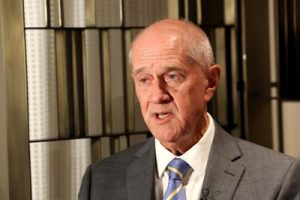
In response to the mounting online frenzy, Specialised Security Services (SSS), a prominent private investigation firm led by Mike Bolhuis, has issued a stark warning: members of the public must not become investigators on social media. The firm’s public notice outlines a clear list of prohibitive actions. People are urged not to circulate photographs of supposed suspects, publish the names, addresses, or personal information of individuals they suspect, confront or follow persons they believe may be involved, or conduct amateur surveillance. Additionally, the public should refrain from circulating unverified “missing person” or “killer on the loose” messages, interfering with crime scenes, or attempting to gather evidence independently. According to the SSS document, such actions can place innocent people at risk, interfere with witnesses, and potentially compromise an ongoing criminal investigation. The advisory urges individuals who possess information that may assist investigators to preserve that information and provide it directly to law enforcement rather than broadcasting it publicly. This guidance reflects a broader concern that unregulated public participation in crime-solving, however well-intentioned, often hinders rather than helps the pursuit of justice.
The detrimental impact of unverified social-media information on criminal investigations cannot be overstated. Detective work relies on verified evidence, witness statements, forensic examination, and corroborated intelligence. When social media is allowed to run rampant with rumours, it can divert attention from confirmed evidence, generate false leads, and place innocent people under suspicion. It can also influence potential witnesses, creating confusion about what they actually saw or heard, and it can create unnecessary public panic that hampers police operations. In this specific case, the SAPS investigation includes specialised resources and is focused on determining whether the cases are connected and, if so, identifying those responsible. The presence of a multidisciplinary team indicates the seriousness with which the police are treating these deaths. However, the efficacy of that team is threatened by the constant noise emanating from social media platforms. The SSS document explicitly highlights how unverified information can complicate ongoing police operations, urging the public to exercise discipline and allow skilled investigators to do their work without interference from armchair detectives.
In its concluding advice, Specialised Security Services emphasises that the deaths under investigation are serious criminal matters requiring a rigorous, evidence-based approach. While confirmed similarities exist between a number of the cases and SAPS is actively investigating possible links, the public should remember that, as of 20 September 2026, police had not conclusively established that a serial killer was responsible. The distinction between confirmed facts, investigative leads, and social-media speculation is essential for maintaining a safe and just society. The SSS encourages the public to remain vigilant, report information to law enforcement, and avoid circulating information that has not been independently verified. To further these aims, the firm has invited the public to join the Mike Bolhuis Daily Projects WhatsApp Channel, which it describes as an important tool for delivering insights into the latest crime trends, awareness, warnings, and the exposure of criminals. Contact details for Mike Bolhuis were provided for those requiring safety and security measures, protection, or investigation, with assurances of strict confidentiality and identity protection. The document also included standard legal disclaimers, reinforcing that all potential clients should be aware of attempts to discredit the firm through social media and that all engagements require a formal mandate. As Ekurhuleni waits for answers, the message from both law enforcement and private security experts remains the same: trust the process, rely on verified information, and let the authorities do their job.