


Erosion of Trust Fuels Australian Initiative to Combat Science Misinformation
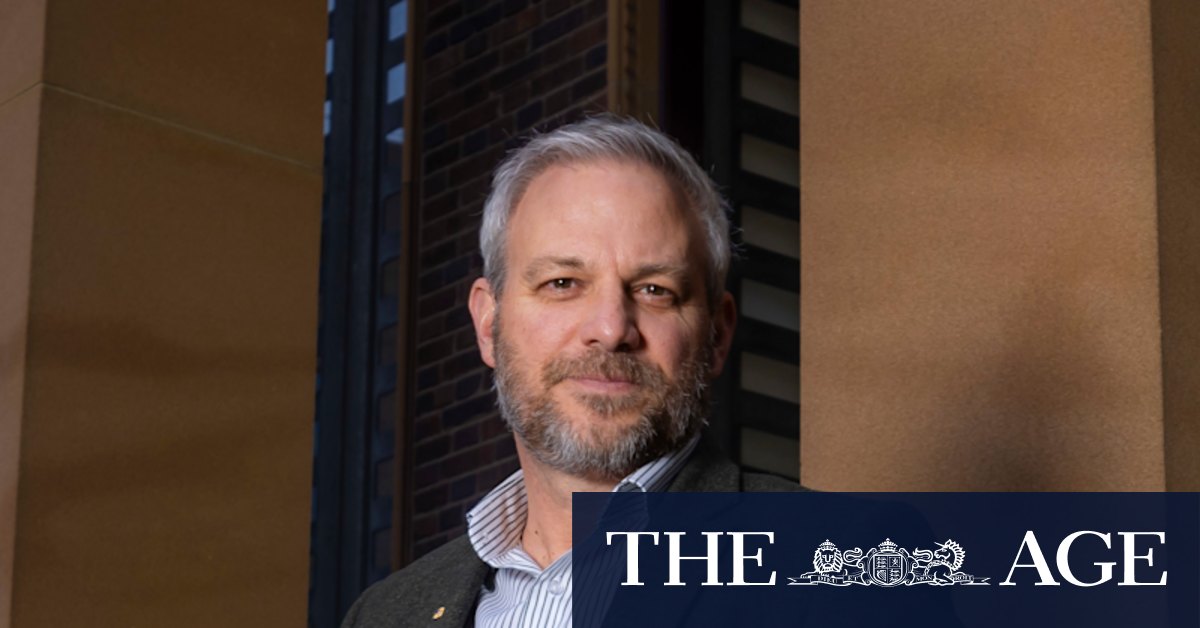
In an era of rampant misinformation, Australia is taking proactive steps to safeguard public trust in science. Professor Brendan Crabb, director of the Burnet Institute, is spearheading an ambitious initiative to establish a national coalition dedicated to promoting accurate scientific information and countering the spread of falsehoods. This effort comes at a time when trust in institutions is declining globally, and the proliferation of misinformation on social media poses a significant threat to public health and well-being. While the precise structure and funding remain to be determined, the coalition aims to create a unified voice for science, ensuring that evidence-based information reaches the public and effectively combats the rising tide of misinformation.
The genesis of this initiative lies in workshops and discussions held earlier this year, reflecting growing concerns within the scientific community about the erosion of public trust. Prominent organizations, including the Australian Academy of Science, the Academy of Health and Medical Science, and the Australian Science Media Centre, have expressed support for the coalition, recognizing the urgent need for a coordinated response to the misinformation crisis. They echo Professor Crabb’s vision of a "paddock to plate" approach, emphasizing the importance of robust scientific research, accurate communication of findings, and empowering scientists to engage in online discussions and debunk misinformation circulating on social media platforms. This unified front underscores the shared commitment to ensuring accurate scientific information prevails in the public discourse.
While Australians generally exhibit high levels of trust in scientists, the global decline in institutional trust, coupled with the fragmented media landscape, creates a fertile ground for misinformation to flourish. Associate Professor Will Grant from the Australian National Centre for the Public Awareness of Science highlights the shift from debating the veracity of information to accepting personalized "truths." This trend exacerbates the challenge of establishing a shared understanding of reality and undermines the role of science, journalism, and the judicial system in determining truth. The coalition seeks to address this erosion of trust by providing a reliable and authoritative source of scientific information.
The coalition faces significant hurdles, including skepticism towards institutional pronouncements and the need to avoid a paternalistic approach. Dr. Susannah Eliott, CEO of the Australian Science Media Centre, acknowledges the potential for audiences to perceive a coalition of scientific institutions as less trustworthy than individual scientists. This underscores the importance of fostering genuine dialogue and engaging the public in a respectful manner. Tina Purnat, a misinformation researcher at Harvard, cautions against combative language and emphasizes the necessity of de-escalating polarized discussions. The coalition must navigate these sensitivities to effectively build trust and engage the public constructively.
Adding to the complexity of combating misinformation is the emergence of AI-powered bots that mimic human behavior on social media. Researchers at Melbourne’s Centre for Health Analytics have identified a significant increase in bot activity related to discussions about vaccines, including the new RSV vaccine. These bots often post fabricated personal anecdotes about adverse vaccine reactions, circumventing social media platforms’ efforts to curb anti-vaccine content. This sophisticated form of misinformation poses a new challenge for the coalition, requiring innovative strategies to detect and counteract these AI-driven narratives. The ability of these bots to masquerade as genuine human users underscores the evolving nature of online misinformation and the need for continuous adaptation.
Professor Crabb’s vision for the coalition emphasizes independence from government influence, recognizing that government can be a source of public distrust. This independence is crucial for maintaining credibility and ensuring that the coalition’s pronouncements are perceived as objective and trustworthy. As the coalition takes shape, it will need to address key questions regarding its organizational structure, funding mechanisms, and specific strategies for combating misinformation. The challenge lies in achieving a balance between centralized coordination and fostering individual scientists’ voices. The success of this initiative hinges on its ability to engage effectively with the public, counter misinformation narratives, and restore faith in science as a reliable source of knowledge in an increasingly complex information landscape.