


The Pervasiveness of Cancer Misinformation on Social Media
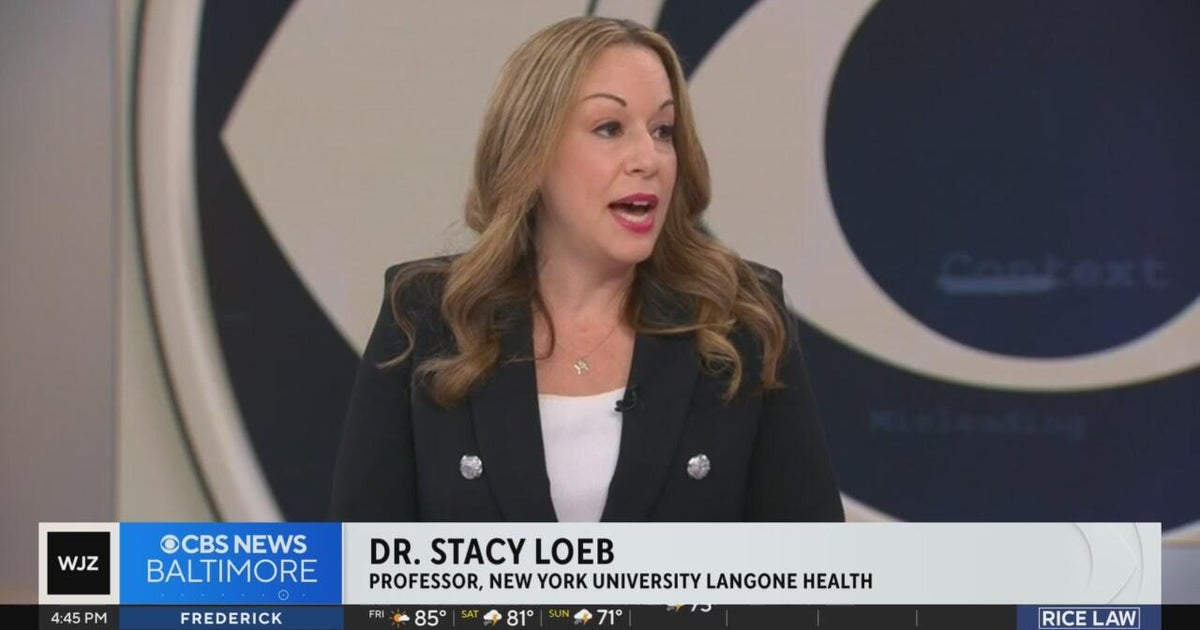
The digital age has revolutionized information access, but this ease of access has a darker side: the proliferation of misinformation. A CBS Baltimore report highlights a particularly alarming trend – up to 40% of cancer-related content on social media platforms contains misinformation. This statistic underscores a critical public health concern, as individuals seeking information about cancer diagnosis, treatment, and prevention are increasingly exposed to inaccurate and potentially harmful advice. The widespread dissemination of false claims, conspiracy theories, and unproven remedies can lead to delayed diagnoses, inappropriate treatment choices, and increased fear and anxiety among patients and their families.
The Impact of False Narratives on Cancer Patients
The consequences of cancer misinformation are far-reaching. Individuals may be swayed by anecdotal evidence and testimonials promoting unverified alternative treatments, leading them to forgo conventional medical care with proven efficacy. This delay in seeking evidence-based treatment can significantly impact survival rates and overall health outcomes. Further compounding the problem, misinformation often promotes fear and distrust of medical professionals and scientific institutions, creating a barrier to accessing accurate information and appropriate care. Patients may fall prey to emotionally manipulative narratives that exploit their vulnerability and desperation, leading them down a path of ineffective and potentially dangerous interventions.
The Mechanics of Misinformation Spread
Social media algorithms, designed to maximize engagement, often inadvertently amplify misinformation. Sensationalized content and emotional appeals tend to attract more attention and shares, spreading quickly through networks regardless of factual accuracy. The lack of rigorous fact-checking mechanisms on many platforms combined with the anonymity afforded to users contributes to the rapid dissemination of false claims. Moreover, the echo chamber effect, where users are primarily exposed to information that confirms their existing beliefs, reinforces misinformation and makes it harder to debunk.
Combating the Spread of Cancer Misinformation
Addressing the challenge of cancer misinformation requires a multifaceted approach. Social media platforms must take greater responsibility for the content shared on their sites, implementing robust fact-checking mechanisms and flagging or removing potentially harmful content. Increased media literacy education is crucial, empowering individuals to critically evaluate the information they encounter online and distinguish credible sources from unreliable ones. Healthcare professionals also play a vital role in providing accurate information to patients and addressing their concerns about misinformation they may have encountered.
The Role of Healthcare Providers and Organizations
Medical professionals are uniquely positioned to counter the influence of misinformation. They can proactively address patient concerns, provide evidence-based information, and debunk common myths and misconceptions circulating online. Open communication and trust between patients and their healthcare providers are essential in ensuring individuals make informed decisions based on accurate information. Healthcare organizations can also contribute by developing educational resources, hosting online forums, and actively engaging with patients on social media to disseminate accurate information and counter false narratives.
The Importance of Critical Thinking and Reliable Sources
In the age of information overload, individuals must develop critical thinking skills to navigate the complex landscape of online health information. It’s crucial to question the source of information, look for evidence-based research, and be wary of anecdotal evidence and testimonials. Reliable sources of information include reputable medical organizations, government health agencies, and peer-reviewed scientific journals. By cultivating a discerning approach to online content and seeking information from trustworthy sources, individuals can protect themselves from the harmful effects of cancer misinformation and make informed decisions about their health.