


Meta’s Shift in Misinformation Policy Sparks Global Debate
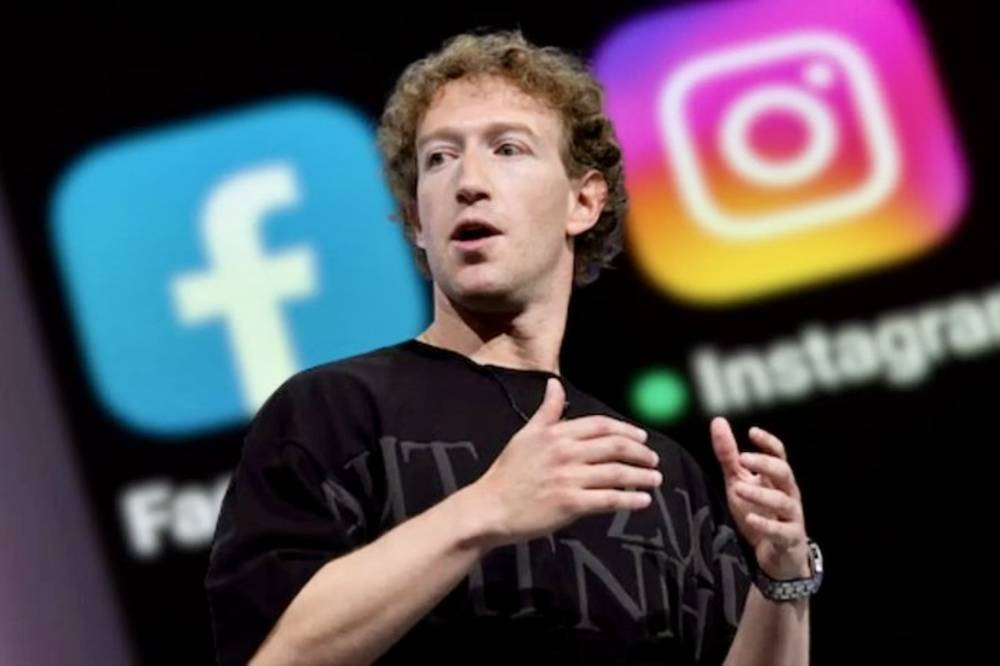
In a move that has reverberated across the global digital landscape, Meta, the parent company of Facebook and Instagram, has decided to discontinue its independent fact-checking program, replacing it with a crowdsourced system known as "Community Notes." This shift, initially confined to the United States, marks a significant departure from the eight-year-old program aimed at combating misinformation and has raised concerns about the potential spread of false or misleading information, particularly in politically charged environments. The decision, announced by Meta CEO Mark Zuckerberg, is rooted in the company’s renewed emphasis on free speech, but critics argue it represents a politically motivated concession to conservative pressures and a potential rollback of safeguards against harmful content.
Zuckerberg’s Rationale: Free Speech vs. Censorship
Zuckerberg justified the change, citing concerns about excessive censorship and errors in the existing fact-checking system. He framed the decision as a return to Meta’s core principles of free expression, arguing that "Community Notes" will empower users to collectively identify and flag misinformation, thereby reducing reliance on centralized authorities. According to Zuckerberg, this approach will limit the number of accounts mistakenly penalized for spreading false information. However, he conceded that this trade-off might lead to an increase in the volume of misinformation circulating on the platforms, acknowledging the potential for "catching less bad stuff." This admission has fueled apprehension among those who believe independent fact-checking serves as a vital defense against the proliferation of harmful content.
Political Undertones and Global Backlash
The timing of Meta’s decision, coinciding with increased scrutiny of social media platforms’ roles in shaping public discourse, has led to accusations of political motivations. Critics point to the recent appointment of Joel Kaplan, a prominent Republican figure, as Meta’s Global Affairs Chief, suggesting a rightward shift in the company’s political alignment. Some view the move as a direct response to criticisms of censorship from conservative voices in the US, particularly following the contentious 2020 presidential election. This perception has been further amplified by Zuckerberg’s characterization of the post-election period as a "tipping point" in prioritizing free speech.
Fact-Checkers Voice Concerns Over Meta’s Policy Change
The international fact-checking community has expressed profound disappointment over Meta’s decision, emphasizing the crucial role independent verification plays in combating the spread of misinformation. Organizations like the International Fact-Checking Network have underscored that fact-checking does not equate to censorship; instead, it provides context and additional information to help users assess the validity of claims. They argue that abandoning this system leaves a void that could be exploited by malicious actors seeking to spread propaganda or manipulate public opinion. The concern is that without professional fact-checkers, misleading information will proliferate unchecked, potentially undermining trust in online information and exacerbating societal divisions.
Malaysia’s Response and the Potential Impact
While the immediate impact of Meta’s policy shift is limited to the US, the potential global ramifications are being closely watched. In Malaysia, Communications Minister Fahmi Fadzil acknowledged the development, noting both the potential benefits and drawbacks of the "Community Notes" model. He highlighted the possibility of enhanced user participation in correcting misinformation but also recognized the need for further evaluation. The Malaysian government plans to engage with Meta to gain a deeper understanding of the implications for the country’s digital landscape. The concern is that without independent oversight, the spread of misinformation could become more challenging to control, especially in a nation with a diverse population and a history of politically sensitive issues.
Malaysia’s Social Media Licensing Law: A Potential Safeguard?
Malaysia recently implemented a new social media licensing law that requires platforms with a substantial user base in the country to obtain an annual license. This framework aims to increase accountability and adherence to stricter regulations. While not a direct replacement for independent fact-checking, the licensing requirement could potentially serve as a buffer against the potential negative effects of Meta’s policy change. It may compel platforms to maintain higher moderation standards within Malaysia, providing some level of protection against the unchecked spread of misinformation. However, the long-term effectiveness of this approach remains to be seen, and the interplay between the licensing law and Meta’s evolving content moderation policies will be a key area of observation. The overarching question is whether a user-driven system, even with government oversight, can effectively replace the expertise and rigor of professional fact-checkers in curbing the spread of misinformation.