


Texas Floods: Misinformation Cascades Amidst Tragedy
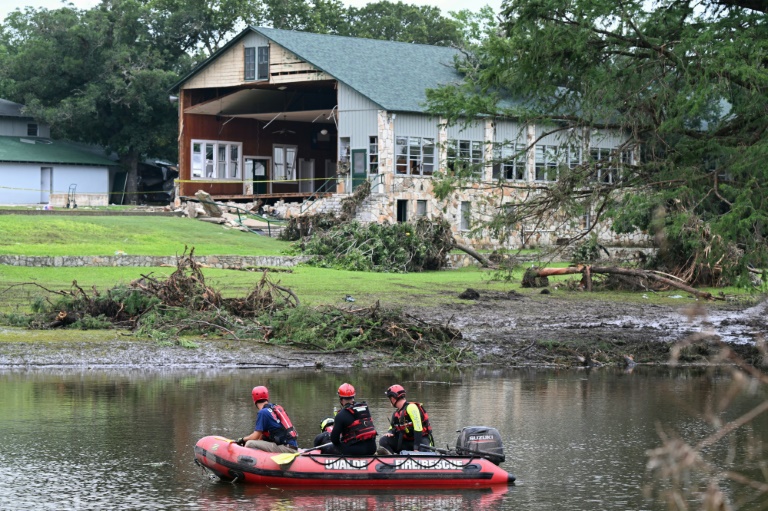
The catastrophic floods that ravaged Texas over the weekend, claiming over a hundred lives and leaving dozens missing, have become the latest breeding ground for misinformation and conspiracy theories across social media. While rescuers race against time to locate survivors and communities grapple with the immense devastation, a torrent of false narratives from both ends of the political spectrum has further complicated the already dire situation. The spread of these baseless claims underscores the vulnerability of social media platforms to misinformation, particularly during times of crisis, and highlights the critical need for media literacy and responsible information sharing.
On the left, unfounded accusations emerged blaming staffing cuts at the National Weather Service (NWS) under the Trump administration for hindering the agency’s forecasting capabilities and contributing to the disaster’s severity. These claims, while echoing concerns about resource allocation for vital government agencies, are unsupported by evidence. Experts, including climate scientist Daniel Swain, have confirmed that the NWS provided ample and timely warnings, issuing 22 alerts for the hardest-hit Kerr County area. Swain emphasized that the tragedy stemmed not from inadequate forecasting, but from challenges in the “last mile” dissemination of warnings, particularly given the sudden nature of the flooding and its occurrence during the middle of the night.
Conversely, right-wing conspiracy theorists propagated the false narrative that the government intentionally caused the floods through cloud seeding, a weather modification technique. This theory, devoid of scientific basis, mirrors previous unfounded claims surrounding natural disasters, including Hurricane Milton and flooding in Dubai. The persistence of such conspiracies underscores the susceptibility of individuals to misinformation, particularly when seeking explanations for tragic and seemingly inexplicable events.
The convergence of these opposing, yet equally false, narratives highlights the multifaceted nature of misinformation in the digital age. While the left-leaning misinformation focused on blaming governmental negligence, the right-wing narrative resorted to conspiratorial explanations involving deliberate manipulation of weather patterns. Both types of misinformation distract from the real issues at hand – the need for effective disaster preparedness, response, and recovery – and sow distrust in legitimate sources of information.
This surge of misinformation is not limited to social media platforms. Even traditional media outlets have been caught in the crossfire, inadvertently amplifying false narratives. The Kerr County Lead, a local news outlet, was forced to retract a widely circulated story about the miraculous rescue of two girls clinging to a tree, demonstrating how quickly unverified information can spread and gain traction, even within established media channels. This incident underscores the critical need for journalistic rigor and fact-checking, especially in the emotionally charged aftermath of a disaster.
The proliferation of misinformation after the Texas floods reflects a broader trend observed following natural disasters. As communities struggle to cope with loss and uncertainty, social media becomes a breeding ground for rumors and speculation. This is often exacerbated by the reduced content moderation efforts on some platforms during crises, creating an environment ripe for the spread of false information. The diminished reliance on human fact-checkers further contributes to the problem, allowing inaccurate claims to circulate unchecked. This confluence of factors underscores the urgent need for robust fact-checking mechanisms and media literacy initiatives to combat the spread of misinformation in the aftermath of disasters.
Ultimately, the spread of misinformation following the Texas floods serves as a stark reminder of the challenges posed by the digital information landscape. It highlights the need for critical thinking, responsible information sharing, and a renewed focus on media literacy. As communities rebuild and recover from this devastating event, addressing the pervasive issue of misinformation must be a priority to ensure that accurate information and support reach those who need it most. Furthermore, this incident underscores the critical role of reliable news sources and the importance of holding social media platforms accountable for the content they host.