


Russian Drones Breach Polish Airspace: A Calculated Provocation Amidst a Disinformation Blitz
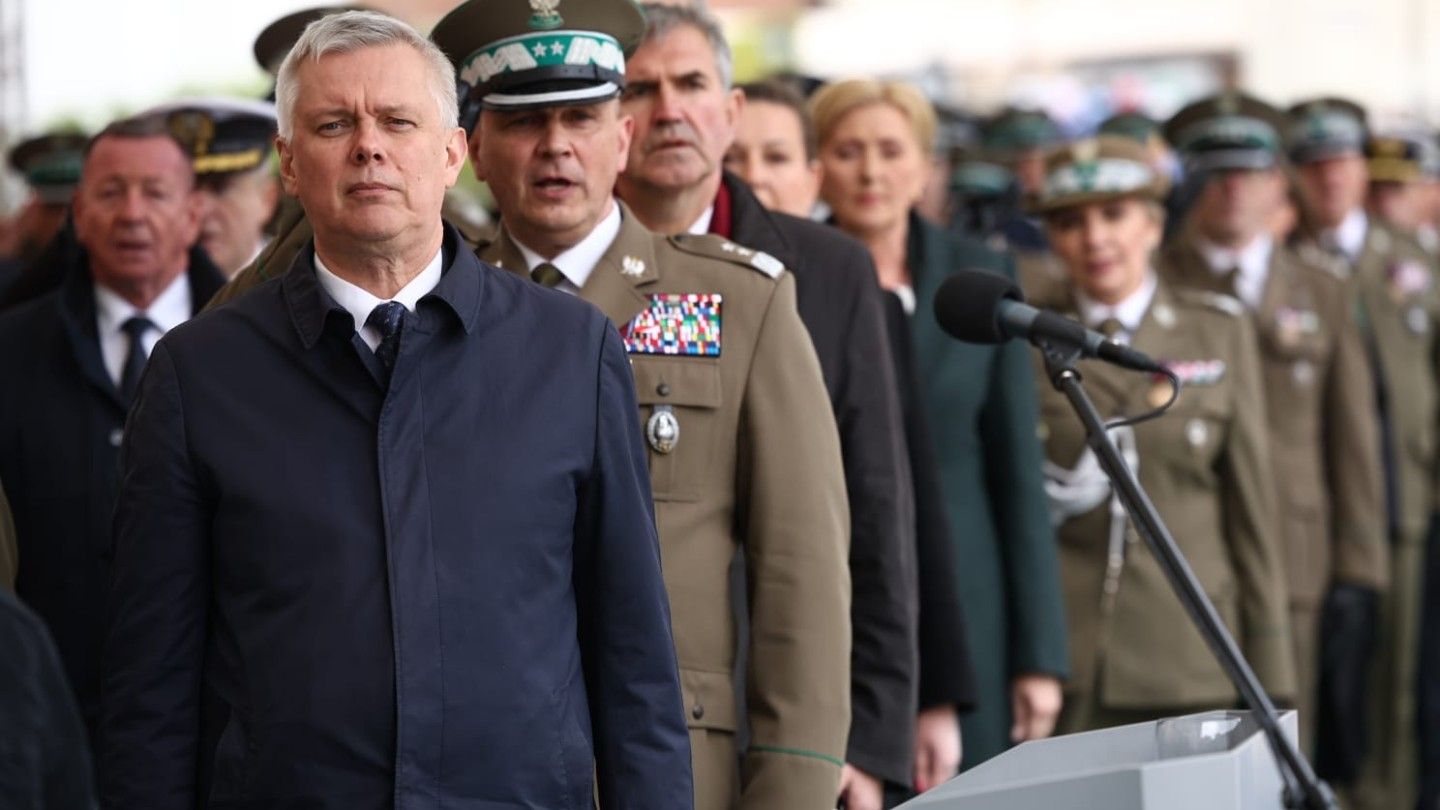
The recent incursion of Russian drones into Polish airspace has ignited concerns about escalating tensions and the insidious role of disinformation in modern warfare. While the physical violation itself represents a significant breach of sovereignty, the accompanying wave of disinformation underscores the calculated nature of the operation, aiming to sow discord and undermine trust. Polish authorities, including Minister Coordinator of the Polish Secret Service, Tomasz Siemoniak, have confirmed the deliberate nature of the drone incursion and the subsequent disinformation campaign. The aim, it appears, was not merely to test Polish defenses, but to manipulate public perception and drive a wedge between Poland and Ukraine.
The disinformation campaign, as described by Minister Siemoniak, employed familiar tactics observed throughout 2022, including the spread of fabricated narratives and manipulation of social media. The primary thrust of this campaign was to falsely implicate Ukraine, portraying the drone incursion as a Ukrainian operation designed to provoke Russia or embroil Poland in the conflict. This narrative not only sought to absolve Russia of responsibility but also aimed to exploit existing sensitivities within Polish society regarding Ukrainian refugees and historical grievances.
The Polish government, backed by intelligence assessments, unequivocally attributes the drone incursion to Russia, dismissing the disinformation campaign as a blatant attempt to sow discord between Warsaw and Kyiv. Minister Siemoniak emphasized the lack of any evidence implicating Ukraine, highlighting the pervasiveness of online disinformation and the importance of relying on official sources and credible media outlets. The incident underscores the crucial role of media literacy in combating disinformation, urging citizens to critically evaluate information and resist the allure of sensationalized or unverified claims.
Beyond the immediate incident, the drone incursion raises broader concerns about Russia’s ongoing hybrid warfare tactics against Poland and its allies. Poland has consistently been a target of cyberattacks, sabotage attempts, and the weaponization of migration flows along its border with Belarus. These activities, orchestrated by Russian intelligence agencies, represent a persistent threat to Poland’s national security and regional stability. The drone incursion, therefore, can be seen as another facet of this broader hybrid warfare strategy, designed to probe defenses, test responses, and erode public trust.
The Polish government’s robust response to the drone incursion, including increased surveillance and the readiness to shoot down any threatening aircraft, sends a clear message of resolve to Moscow. Moreover, the strong support expressed by Poland’s allies reinforces the collective defense commitment and serves as a deterrent against further escalations. However, the incident also highlights the need for continued vigilance and enhanced capabilities to counter hybrid threats, including disinformation campaigns.
The drone incursion and accompanying disinformation campaign underscore the evolving nature of modern warfare, where information manipulation and psychological operations play an increasingly prominent role. The incident serves as a stark reminder of the importance of media literacy, critical thinking, and reliance on credible sources of information. It also highlights the need for ongoing vigilance and enhanced capabilities to counter hybrid threats emanating from state-sponsored actors. Poland’s resolute response, coupled with the support of its allies, sends a clear message of deterrence and reinforces the commitment to collective defense in the face of evolving security challenges. As tensions persist and the information landscape becomes increasingly complex, the ability to discern fact from fiction will be crucial in safeguarding national security and maintaining societal cohesion.