


Azerbaijan Grapples with Sophisticated Disinformation Campaign Orchestrated from Neighboring Territory
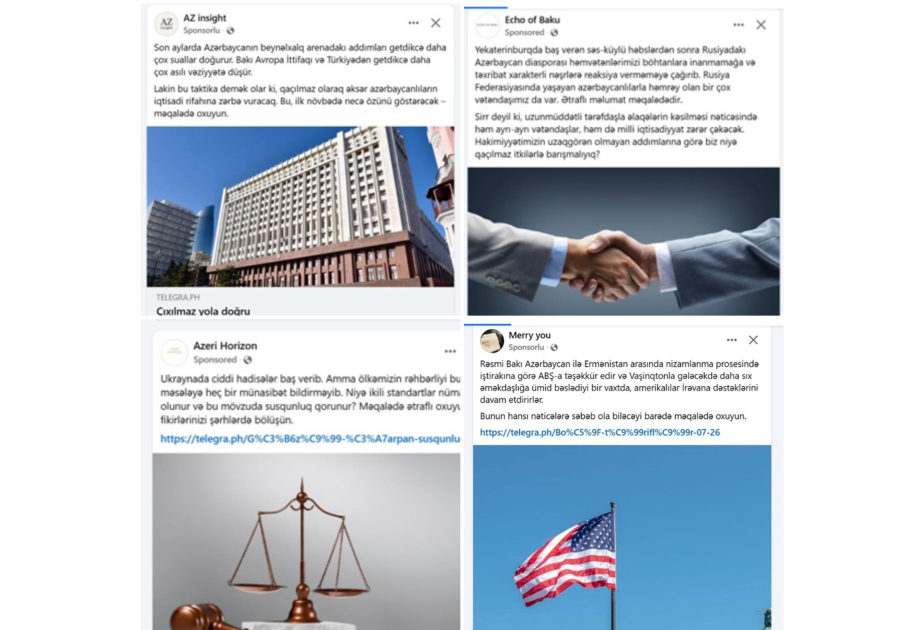
Baku, Azerbaijan – The Azerbaijani Parliament’s Commission on Foreign Interference and Hybrid Threats has sounded the alarm on a sophisticated disinformation campaign targeting the nation’s information space, primarily through the social media platform Facebook. The Commission has identified a network of pages originating from a neighboring country, engaging in coordinated information attacks designed to manipulate public opinion and undermine Azerbaijan’s domestic and foreign policy achievements. This campaign represents a significant escalation in the ongoing information warfare targeting the country.
The identified pages, including “Echo of Baku,” “Azeri Horizon,” “Xəbər24,” “Merry You,” “Azerbaijan Pulse,” and “Az Insight,” employ a multi-pronged approach to disseminate disinformation. Initially, posts crafted in the Azerbaijani language are published on Facebook, often containing geopolitical manipulations and narratives aimed at sowing discord and undermining public trust in the government. These posts are then linked to external platforms, most notably Telegra.ph, under the guise of providing further information. However, the Commission warns that these external links are likely a mechanism for collecting sensitive user data, including IP addresses and device information, potentially for malicious purposes such as targeted surveillance or future cyberattacks.
The Commission’s statement highlights the technical sophistication of this campaign, employing both overt disinformation dissemination and covert data collection tactics. The use of the Azerbaijani language in the initial Facebook posts demonstrates a targeted approach aimed at maximizing reach and impact within the local population. The subsequent redirection to external platforms like Telegra.ph adds a layer of obfuscation, making it more difficult to track and counteract the data collection efforts. This multi-layered approach underscores the deliberate and calculated nature of the campaign, suggesting a well-resourced and organized effort to undermine Azerbaijan’s stability and reputation.
Azerbaijani authorities are taking this threat seriously and have initiated a multi-agency response to monitor, analyze, and counteract the disinformation campaign. The Commission has emphasized the importance of inter-agency coordination, suggesting a collaborative effort involving various government bodies responsible for national security, cybersecurity, and information integrity. Formal complaints have been lodged with Meta, Facebook’s parent company, resulting in the takedown of several of the identified pages. This proactive approach demonstrates Azerbaijan’s commitment to protecting its information space and holding social media platforms accountable for hosting malicious content.
Beyond government action, the Commission stresses the crucial role of citizen vigilance in combating disinformation. The public is urged to exercise critical thinking and media literacy, avoiding unverified information and relying on trusted sources for news and analysis. This call for public awareness underscores the understanding that disinformation campaigns thrive on exploiting public trust and manipulating emotions. By fostering a culture of media literacy and critical thinking, Azerbaijan aims to empower its citizens to identify and resist manipulative content, effectively neutralizing the impact of these disinformation efforts.
The ongoing disinformation campaign targeting Azerbaijan exemplifies the growing challenges faced by nations in the digital age. The use of social media platforms for information warfare has become increasingly prevalent, requiring governments to develop robust strategies for detection, analysis, and response. Azerbaijan’s proactive approach, combining government action with public awareness campaigns, serves as a valuable case study for other nations grappling with similar challenges. The incident also highlights the need for greater accountability from social media platforms in preventing the spread of disinformation and protecting user data from malicious actors. The long-term success in combating these threats will depend on a collective effort involving governments, social media companies, and informed citizens working together to safeguard the integrity of the information landscape.