




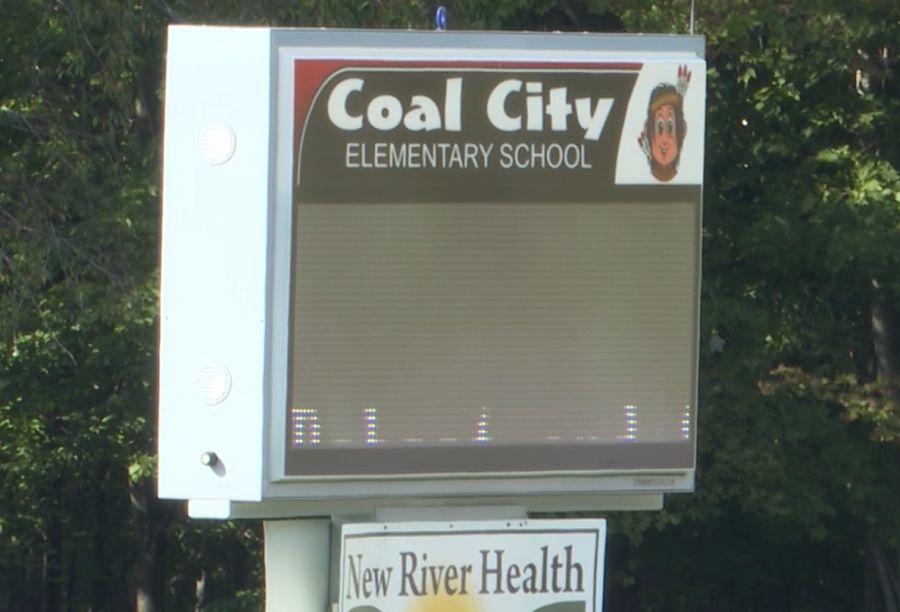
BECKLEY, WV (WVNS) — As another school in the region shuts its doors over mold concerns, one parent and medical professional is stepping forward to help families separate fear from fact. Chasity Foster, a registered nurse at CAMC Memorial Hospital in Charleston, has two children enrolled at Coal City Elementary School in Raleigh County. When she first heard that mold had been detected in the building, her immediate reaction was terror. She considered pulling her children out of the classroom and switching to virtual learning. But after taking a breath, doing her own research, and speaking directly with the county’s superintendent, Foster made a different choice. She now wants to share what she learned with other parents who may be facing the same anxiety. Her message is not that mold is harmless—she stresses that no mold is good mold—but that understanding the type of mold, the levels found, and the context of an aging school building can make a significant difference in how families respond.
Foster’s journey from panic to clarity began with a simple phone call. She reached out to Raleigh County Superintendent Serena Starcher and received a callback within two hours. That direct line of communication helped Foster obtain the environmental reports from the school, which are public records available to any parent who asks. What she found surprised her. “There’s different types of the mold and there’s different places that these different types of mold will grow,” Foster explained. “The big thing that was going around was that there was ‘black mold’ in the school. There are different species of the mold of the fungus. The report that I received from her that species, that is Black Mold, wasn’t on there.” In other words, while mold was present, the specific toxic strain commonly referred to as black mold—Stachybotrys chartarum—was not identified in the report. Foster acknowledged that this does not mean there is no issue, but it does mean the situation may not be as alarming as social media rumors suggested.
Foster’s perspective is shaped by more than just her nursing background. She has personally dealt with mold-related illnesses in the past, so she understands the very real health risks that mold can pose, especially to children with respiratory conditions, allergies, or weakened immune systems. That personal history is exactly why she initially considered keeping her children home. But she also understands that not all mold is created equal, and that the presence of mold in an old building is not necessarily a sign of imminent danger. “It does not necessarily mean that there’s not an issue. But the thing is, people don’t realize is that this is a very old building. You know, it’s been around for a long time,” she said. Coal City Elementary, like many schools in rural West Virginia, has been in service for decades. Aging infrastructure, outdated HVAC systems, and years of humidity and weather exposure create conditions where mold can thrive, even in well-maintained buildings.
The broader context is important. This latest closure is not an isolated incident. Teachers at Mount View High School in nearby Mercer County have also raised concerns over mold, and other schools across the state have faced similar shutdowns in recent years. For parents, each new closure feels like a warning sign that their children may be at risk. But Foster believes that taking a step back and looking at the situation from a broader point of view can help soothe those anxieties. She points out that the reports from Coal City Elementary, which are readily available to the public, indicate that the mold levels in the building are within acceptable limits. That does not mean the problem should be ignored, but it does mean that the school is not necessarily an unsafe environment. Foster’s decision to send her children back to the classroom was not made lightly; it was based on evidence, expert guidance, and a clear understanding of what the reports actually said.
Still, Foster believes there is room for improvement. She added that testing should be done more frequently to keep everyone safe—teachers, faculty, and children alike. Mold can grow quickly, especially in a humid climate like West Virginia’s, and a single test may not capture the full picture. Regular monitoring, she argues, would help catch problems before they escalate and would give parents ongoing confidence that their children are learning in a safe environment. She also encourages other parents to take advantage of the resources available to them. The reports are public, the superintendent is accessible, and questions are welcome. In an age of misinformation, Foster says the best tool parents have is direct communication with school officials and a willingness to read the data for themselves. Her own experience shows that a little research can turn fear into informed decision-making.
Ultimately, Foster’s story is a reminder that school mold issues are complex and require careful, calm consideration. There is no denying that mold in schools is a serious concern, and no parent should be dismissed for asking questions. But as Foster discovered, not every mold detection is a crisis. The key is to identify what type of mold is present, at what levels, and what the school is doing to address it. In her case, the answer was enough to bring her children back to the classroom. She hopes other parents will take the same approach: ask questions, review the reports, and make decisions based on facts rather than fear. As the region continues to deal with aging school buildings and environmental challenges, Foster’s voice offers a practical, measured perspective. She is not saying that mold is acceptable. She is saying that parents deserve the full picture—and that with the right information, they can make the best choice for their families. For the latest news, weather, sports, and streaming video, head to WVNS. Copyright 2026 Nexstar Media, Inc. All rights reserved. This material may not be published, broadcast, rewritten, or redistributed.