


Close Menu
DISADISA
  • Home
  • News
  • Social Media
  • Disinformation
  • Fake Information
  • Social Media Impact
Trending Now

Experts to Address Social Media’s Impact on Adolescent Brain Development Amid Continuing Meta Litigation.

August 25, 2026

Coordinated Disinformation Campaigns Target Australian Music Royalty

August 25, 2026

Low Calbayog Measles-Rubella Vaccination Turnout Attributed to Misinformation

August 25, 2026
Facebook X (Twitter) Instagram
Facebook X (Twitter) Instagram YouTube
DISADISA
Newsletter
  • Home
  • News
  • Social Media
  • Disinformation
  • Fake Information
  • Social Media Impact
DISADISA
Home»News»Pahalgam Attack Exacerbates India-Pakistan Tensions Amid Surge of Misinformation
News

Pahalgam Attack Exacerbates India-Pakistan Tensions Amid Surge of Misinformation

Press RoomBy Press RoomMay 2, 2025No Comments
Facebook Twitter Pinterest LinkedIn Tumblr Email

Pahalgam Attack Aftermath Fuels Surge of Misinformation Amidst Escalating India-Pakistan Tensions

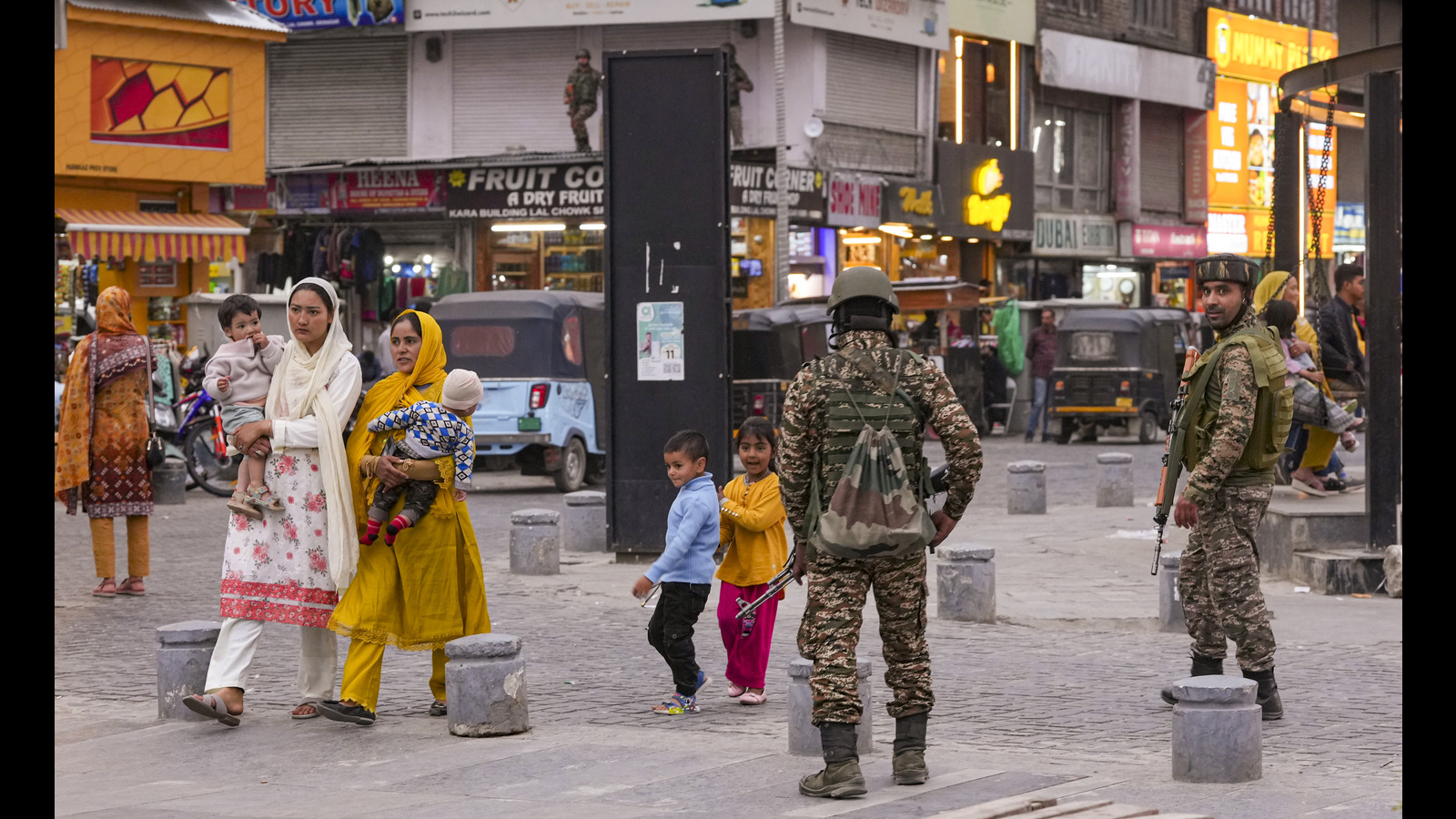
Chandigarh, May 2, 2025 – In the wake of the devastating Pahalgam terror attack, which claimed the lives of 26 individuals and sparked a series of retaliatory measures between India and Pakistan, a wave of false information and rumors has inundated social media platforms, further exacerbating the already heightened tensions. The spread of fake news regarding cross-border shelling, internet blackouts, and forced deportations has caused widespread panic and confusion among residents in border regions, particularly in Jammu and Kashmir. Authorities, including police, security forces, and government ministries, have repeatedly issued advisories and warnings urging the public to exercise caution and verify information before sharing it.

The misinformation campaign has targeted sensitive areas, exploiting the existing anxieties of communities living near the Line of Control (LoC). False reports of internet disruptions and intense shelling in border towns like Uri have triggered a surge in fear and uncertainty among residents. Zafar Iqbal, a resident of Uri, recounted receiving numerous calls from across Jammu and Kashmir inquiring about the alleged shelling and internet shutdown, which he confirmed to be false. The circulation of such baseless information has created a palpable sense of panic, with many fearing an escalation of hostilities between the two nuclear-armed neighbors. Ayaz Ahmad, another Uri resident, expressed the apprehension prevailing in border villages like his, recalling past instances of shelling that have left a lasting impact on the community.

Adding to the turmoil, fabricated stories regarding the family of Shaurya Chakra awardee Mudasir Ahmad, who was killed in a gunfight in Jammu and Kashmir, have been widely circulated. False reports alleging the forced deportation of Ahmad’s mother from Uri to Srinagar have been categorically debunked by both the police and family members. The spread of such malicious rumors underscores the deliberate attempt to manipulate public sentiment and sow discord during a period of heightened vulnerability.

The Indian Army has also taken a firm stance against the proliferation of fake news, issuing a stern warning to media outlets to refrain from disseminating unverified information in the aftermath of the Pahalgam attack. The army’s statement emphasizes the critical need for responsible reporting and the potential for such misinformation to further inflame an already tense situation. The authorities are working diligently to identify and counter the sources of these fabricated narratives, striving to restore public trust and maintain order amidst the chaos.

The surge of misinformation poses a significant challenge to both governments and individuals. The rapid spread of false narratives through social media platforms necessitates a concerted effort to promote media literacy and critical thinking. Individuals must be equipped with the tools to discern factual information from fabricated content, preventing the unwitting propagation of rumors. Simultaneously, authorities must work to enhance their communication strategies, ensuring the timely dissemination of accurate information to counter the spread of misinformation and allay public fears.

The current situation underscores the critical role of responsible journalism and the importance of verifying information before sharing it on social media. The deliberate spread of false information can have devastating consequences, fueling anxieties, exacerbating tensions, and potentially inciting violence. In this climate of heightened sensitivity, it is paramount for all stakeholders, including individuals, media outlets, and government agencies, to prioritize accuracy and responsible communication. Only through a collective commitment to truth and factual reporting can we hope to navigate these turbulent times and prevent further escalation of the conflict. The focus must remain on de-escalation, peaceful dialogue, and the pursuit of justice for the victims of the Pahalgam attack. The spread of misinformation only serves to distract from these critical objectives and further destabilize the region.

Share. Facebook Twitter Pinterest LinkedIn WhatsApp Reddit Tumblr Email

Read More

Low Calbayog Measles-Rubella Vaccination Turnout Attributed to Misinformation

August 25, 2026

Here are a few formal options, depending on the specific context (e.g., a case study title, a project heading, or a business proposal section).

Option 1: Direct & Definitive (Best for Case Studies)

The Client’s Critical Challenge: An Analysis of Key Obstacles

Option 2: Strategic & Analytical (Best for Proposals)

Understanding the Client’s Obstacle: A Strategic Assessment

Option 3: Diplomatic & Professional (Best for Internal Reports)

Navigating Client Issues: A Review of Operational Hurdles

Option 4: Action-Oriented (Best for Problem-Solving Documents)

Addressing the Client’s Situation: Identifying and Resolving Constraints

Option 5: The Strongest Single Phrase (If you need a stand-alone title)

Client Obstacle Assessment

My recommendation for a one-line title that is both formal and specific is:

The Client’s Challenge: Identifying Key Constraints and Solutions.

August 25, 2026

Exclusive: Andrew McGinley Expresses Empathy for Lindsay Clancy Over Online Misinformation and Falsehoods

August 25, 2026
Add A Comment
Leave A Reply Cancel Reply

Our Picks

Coordinated Disinformation Campaigns Target Australian Music Royalty

August 25, 2026

Low Calbayog Measles-Rubella Vaccination Turnout Attributed to Misinformation

August 25, 2026

The Impact of Employment-Oriented Social Media Use on College Students’ Employment Anxiety: Dual Mediating Roles of Social Capital and Risk Perception.

August 25, 2026

Malicious Disinformation Campaigns Target Australian Swimmers and Their Olympic Competitors

August 25, 2026
Stay In Touch
  • Facebook
  • Twitter
  • Pinterest
  • Instagram
  • YouTube
  • Vimeo

Don't Miss

News

Here are a few formal options, depending on the specific context (e.g., a case study title, a project heading, or a business proposal section).

Option 1: Direct & Definitive (Best for Case Studies)

The Client’s Critical Challenge: An Analysis of Key Obstacles

Option 2: Strategic & Analytical (Best for Proposals)

Understanding the Client’s Obstacle: A Strategic Assessment

Option 3: Diplomatic & Professional (Best for Internal Reports)

Navigating Client Issues: A Review of Operational Hurdles

Option 4: Action-Oriented (Best for Problem-Solving Documents)

Addressing the Client’s Situation: Identifying and Resolving Constraints

Option 5: The Strongest Single Phrase (If you need a stand-alone title)

Client Obstacle Assessment

My recommendation for a one-line title that is both formal and specific is:

The Client’s Challenge: Identifying Key Constraints and Solutions.

By Press RoomAugust 25, 20260

Headline: Beyond the Blocked Page: The Digital Deadlock of JavaScript Dependency Paragraph 1: The Wall…

Exclusive: Andrew McGinley Expresses Empathy for Lindsay Clancy Over Online Misinformation and Falsehoods

August 25, 2026

Experts to Examine Social Media’s Effects on Adolescent Brain Development Amid Ongoing Meta Litigation

August 25, 2026

Russian AI Deepfake Disseminates False Utility Claims in Sumy, Ukraine

August 25, 2026
DISA
Facebook X (Twitter) Instagram Pinterest
  • Home
  • Privacy Policy
  • Terms of use
  • Contact
© 2026 DISA. All Rights Reserved.

Type above and press Enter to search. Press Esc to cancel.