






A new initiative has launched a bold campaign to counter the spread of artificial intelligence-generated disinformation ahead of Nigeria’s elections, warning that deepfakes and synthetic media could distort public opinion, heighten existing tensions, and undermine confidence in the democratic process. The Engage Empower Educate Initiative, through its newly unveiled program known as Peace by Design: Responsible AI for Peace in Africa, says it is stepping forward to address a threat that has evolved more quickly than most electoral safeguards. With generative artificial intelligence now widely accessible, the ability to produce convincing but completely fabricated content is no longer limited to sophisticated state actors or well-funded media operations. Almost anyone can create manipulated videos, cloned voices, doctored audio recordings, and realistic images that are difficult to distinguish from authentic material. The initiative warns that such content can be produced in a matter of minutes and distributed rapidly through social media networks and encrypted messaging platforms, particularly WhatsApp, which remains one of the most influential communication tools across Nigeria. The group argues that without immediate intervention, AI-generated falsehoods could shape how Nigerian voters understand candidates, policies, election results, and the legitimacy of the entire political system. The campaign therefore focuses on helping ordinary voters identify manipulated videos, cloned voices, and other AI-generated content that could mislead the public during the election period, while also building longer-term resilience against disinformation ahead of the polls.
The flagship campaign, “Verify Before You Share,” is designed to reach voters where they already consume information, with a particular emphasis on WhatsApp users, radio audiences, and communities across Nigeria that may have limited access to mainstream digital verification tools. The initiative says it will deploy local-language content and digital literacy initiatives tailored to Nigeria’s diverse linguistic and cultural landscape, ensuring that the message of critical verification reaches people in Hausa, Yoruba, Igbo, Pidgin, and other languages rather than remaining confined to English-speaking urban centers. This grassroots approach reflects an understanding that disinformation spreads through community networks and trusted personal connections, and that counter-messaging must therefore operate within those same networks if it is to be effective. As part of the effort, the campaign will establish a network of Digital Peace Ambassadors who will be trained to recognize AI-generated content, understand how synthetic media works, and guide their communities in verifying information before sharing it. Alongside this ambassador network, the campaign will also set up a rapid-response fact-checking desk to identify election-related disinformation in real time and respond to it quickly with accurate information. The combination of community-level education and centralized rapid response is intended to address both the supply and demand sides of the disinformation problem: reducing the likelihood that citizens will unknowingly spread fake content, while also ensuring that falsehoods are exposed before they can cause lasting damage to public trust.
Belema Meshack-Hart, founder of the Engage Empower Educate Initiative, said the program was born out of a clear recognition of danger before it became a full-blown crisis. “We built Peace by Design because we saw the danger before it became a crisis,” Meshack-Hart said. She emphasized the enormous speed and scale at which fabricated content can move through everyday communication channels, noting that a single fake video could have devastating consequences in a country as politically passionate and deeply connected as Nigeria. “A fabricated video of a candidate can spread across WhatsApp in minutes and shape how millions of people vote, or whether they trust the result at all,” she warned. This observation captures the dual risk of synthetic media: it may cause people to make electoral decisions based on fiction, and it may simultaneously lead them to reject the authenticity of genuine election materials and official outcomes. Once a public audience realizes that realistic-looking videos and audio recordings can be faked, they may begin to distrust everything they see and hear, creating a generalized atmosphere of confusion and cynicism. In such an environment, even true information can be dismissed as a deepfake, and losing candidates may be able to claim that legitimate evidence of their defeat was fabricated by political opponents. The initiative argues that this dynamic is particularly dangerous in societies where ethnic, religious, and regional identities already play a powerful role in political loyalty and where disinformation has historically contributed to electoral violence or post-election conflict.
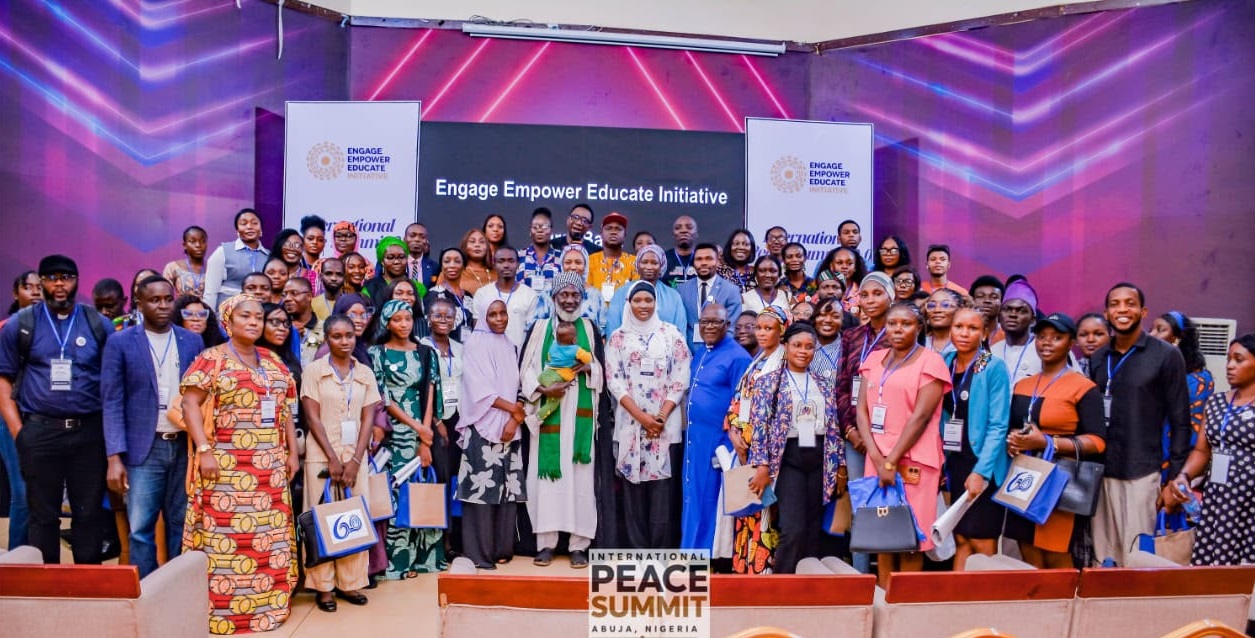
Ezinne Okoro, who led a workshop on AI and peace communication in Africa at the International Peace Summit 2.0, said the threat posed by synthetic media is not a distant scenario but an emerging reality that demands early intervention. “What we heard in that room made clear this isn’t a future risk; it’s happening now,” Okoro said. The workshop brought together participants from various African countries who shared examples of AI-generated content already appearing in political spaces, including altered videos of politicians, fake audio recordings designed to discredit candidates, and fabricated news images circulating on social media. Many workshop participants expressed concern that ordinary citizens lack the tools and awareness needed to distinguish between authentic and manipulated content. Okoro stressed that communities need practical, accessible methods for identifying manipulated content before it influences voters, rather than abstract warnings about technology that many people do not fully understand. She argued that media literacy must be treated as a peacebuilding measure, because the failure to address disinformation can lead to confusion, anger, and violence. The Peace by Design initiative therefore places substantial emphasis on hands-on education, showing voters how to check the source of a video, look for signs of manipulation, use reverse image search tools, and consult trusted fact-checking resources before passing information along. By equipping citizens with these skills, the initiative hopes to create a public that is not easily manipulated by synthetic media and that understands its own responsibility in stopping the spread of harmful falsehoods.
In addition to working directly with voters and communities, the initiative is calling on technology platforms operating in Nigeria to take more consistent and transparent action against AI-generated disinformation. The group is asking platforms to introduce clearer labelling of AI-generated content, so that users can identify synthetic media more easily and make informed judgments about what they are seeing. It is also urging tech companies to speed up the removal of election-related manipulated content that violates their policies, particularly when such content poses an imminent threat to public safety or electoral integrity. Furthermore, the initiative emphasizes the need for content moderation that works in Nigeria’s local languages, noting that many platform moderation systems are far more effective in English than in Hausa, Yoruba, Igbo, Pidgin, or other languages spoken by millions of Nigerian users. Without robust local-language moderation, disinformation can thrive in linguistic spaces that are less monitored and less understood by platform safety teams. The initiative is also urging political parties and candidates to publicly commit against using deepfakes in their election campaigns. Such commitments, the group argues, would establish a basic norm of honesty and discourage the use of AI-generated attacks that could poison political competition and delegitimize credible candidates. Peace by Design itself emerged from the International Peace Summit 2.0 hosted by the Engage Empower Educate Initiative, and its launch represents a continuation of broader conversations among African civil society actors about how to harness technology for peace while guarding against its potential for harm.
The initiative is now seeking the participation of technology companies, international AI developers, fact-checking organisations, and funders to expand the reach and impact of its work ahead of the polls. By building a coalition that spans civil society, the private sector, and the international community, Peace by Design hopes to create a comprehensive safety net around Nigeria’s electoral process. Technology companies can contribute tools and expertise for detecting deepfakes, while fact-checking groups can provide verified information and rapid-response capabilities. International AI developers can assist with research and development of robust verification methods, and funders can support the expansion of digital literacy programs to more states, communities, and language groups. The campaign’s organisers believe that the threat of AI-generated disinformation is too large for any single actor to address alone, and that collective action is essential to protect the integrity of democratic elections. They also stress that this work is about more than stopping false content in the short term; it is about building a culture of verification, accountability, and informed citizenship that will outlast the current election cycle. In an era where synthetic media is becoming increasingly sophisticated and difficult to detect, the ability of citizens to question, verify, and think critically is arguably the most powerful safeguard available. Nigeria’s experience with these challenges could set an important precedent for other African countries and for democracies around the world, demonstrating both the severity of the AI disinformation threat and the effectiveness of community-centered responses. Ultimately, Peace by Design positions itself not merely as an election-time project, but as a long-term investment in the resilience of Nigerian society against one of the most significant communication challenges of the digital age.


