


Liverpool Parade Ramming: Suspect Charged as Disinformation Spreads
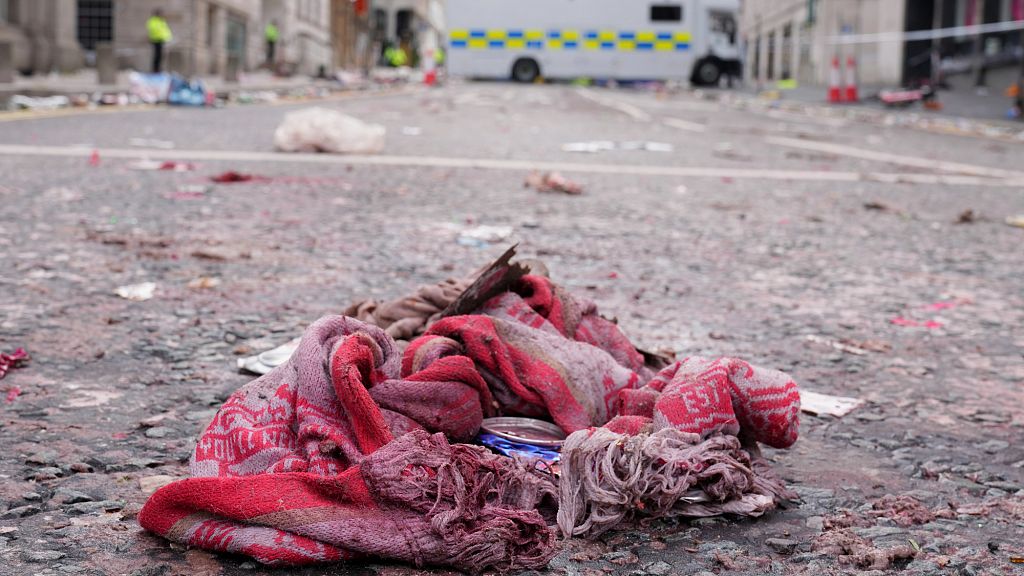
A week after a car tragically plowed into crowds celebrating Liverpool FC’s Premier League victory, turning jubilant scenes into chaos and injury, authorities have identified and charged the suspect. Paul Doyle, a 53-year-old British man from the Liverpool area, faces charges of intentionally causing grievous bodily harm and six other serious offenses. The incident, which injured nearly 80 people ranging in age from nine to 78, marred the city’s celebration of Liverpool’s 20th Premier League title. Police believe Doyle trailed an ambulance to bypass roadblocks onto Water Street, the site of the parade. Merseyside Police swiftly released Doyle’s nationality and ethnicity, describing him as a white British male, and ruled out terrorism, stating their belief that he acted alone.
The rapid release of information was lauded by experts who recalled the disinformation and unrest that followed a similar incident in Southport last year. The efficient communication aimed to preemptively quell speculation and prevent potential public disorder. Despite these efforts, false narratives quickly proliferated across social media platforms. Images and videos were misrepresented, fueling conspiracy theories and casting doubt on the official narrative.
One prominent falsehood involved a screenshot of a man purported to be the “real” driver. This image, originating from a TikTok video taken during the parade, depicts a man playfully interacting with police and wearing a police hat. Social media users falsely linked this individual to the ramming, alleging a cover-up. The claim was debunked by Merseyside Police and the original TikTok video confirms the man’s presence at the parade before the incident.
Another misleading video circulated online, showing a man struggling with police at the scene. This individual was erroneously identified as the detained suspect, fueling claims of a discrepancy in the official account. Merseyside Police clarified that the man in the video was not the suspect in custody, further dispelling the misleading narrative. Despite these clarifications, unfounded accusations persisted, including allegations of the suspect’s affiliation with the police force and an ongoing cover-up.
These instances underscore the challenges of combating disinformation in the digital age, particularly during rapidly evolving events. While rapid information sharing can help prevent widespread speculation and unrest, platforms must grapple with the rapid spread of false narratives. The incident highlights the need for improved verification processes and user education to effectively identify and counter misinformation.
Subsequent investigations revealed that Paul Doyle is a former Royal Marine, a father of three, and a local businessman. The motive behind his actions remains under investigation. The incident serves as a stark reminder of the delicate balance between celebrating public achievements and ensuring public safety. Furthermore, it underscores the critical role of responsible information sharing and the ongoing battle against misinformation in a world increasingly reliant on social media for news and updates. The Liverpool community continues to grapple with the aftermath of this tragedy while seeking understanding and healing amidst a complex information landscape.