


Disinformation’s Shadow: Obasanjo Underscores its Role in Nigerian Civil War and Contemporary Conflicts
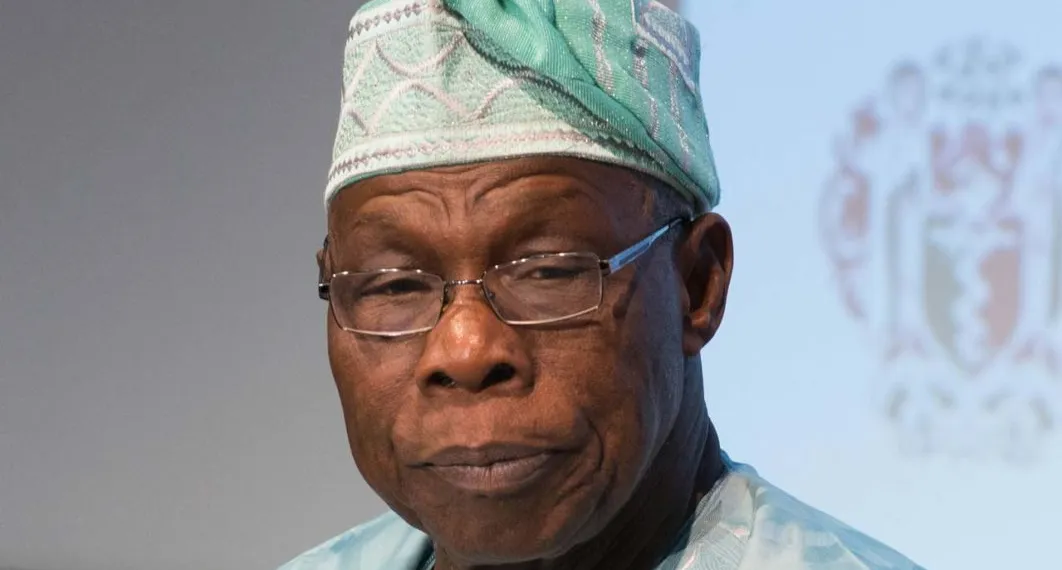
ABUJA, NIGERIA – Former President Olusegun Obasanjo, a pivotal figure in Nigeria’s history, delivered a potent message at the sixth annual Nigerian Civil War Symposium held at the Army War College Nigeria (AWCN): disinformation played a critical role in the devastating conflict that ravaged the nation from 1967 to 1970. Speaking to a gathering of military officers, scholars, and policymakers, Obasanjo emphasized the insidious power of manipulated narratives and the enduring relevance of this issue in modern warfare. The symposium, themed "The Role of Disinformation in the Nigerian Civil War," provided a platform for in-depth analysis of how propaganda and false narratives fueled the fratricidal conflict and continue to impact contemporary security challenges.
Obasanjo’s address highlighted the strategic use of disinformation by weaker forces in asymmetric warfare. He argued that the dissemination of false information and propaganda served to undermine the credibility and effectiveness of superior forces. This tactic, he noted, is eerily familiar in today’s security landscape, where insurgent groups in the North-East and other violent actors across Nigeria deploy similar strategies. By spreading misinformation and manipulating public opinion, these groups attempt to destabilize the nation and erode trust in the government and its institutions. This parallel underscores the enduring relevance of understanding the dynamics of disinformation and its potential to exacerbate conflict.
The former president, known for his frank pronouncements, called for a renewed focus on the study of history, particularly military history, to extract valuable lessons applicable to contemporary challenges. He stressed that understanding the past is crucial for navigating the present and shaping a more just and equitable future for all Nigerians. Obasanjo’s emphasis on historical analysis reflects a growing recognition of the importance of contextualizing current events within the broader historical narrative. This approach allows for a deeper understanding of the root causes of conflict and informs more effective strategies for conflict resolution and peacebuilding. He commended the AWCN for incorporating the study of the Nigerian Civil War into its curriculum, emphasizing its importance in developing the analytical and strategic thinking skills of future military leaders.
The Nigerian Civil War, a period of intense national trauma, left an enduring mark on the nation’s collective memory. The conflict, rooted in complex political, ethnic, and economic factors, resulted in immense human suffering and continues to shape Nigeria’s identity. According to Obasanjo, understanding the war’s causes, consequences, and the lessons learned is essential for building a more united and peaceful nation. He acknowledged the complex interplay of factors that contributed to the war and stressed the necessity of honest and thorough examination of this difficult period in Nigeria’s history.
Lieutenant General Olufemi Oluyede, the Chief of Army Staff, echoed Obasanjo’s sentiments, emphasizing the symposium’s importance in nurturing intellectual capacity within the military. Represented by Major General P.E. Eromosele, the COAS praised the theme’s relevance to current military operations and reiterated the army’s commitment to building a combat-ready force guided by sound leadership and informed strategy. He highlighted the significance of intellectual development and strategic thinking in preparing military leaders for the complexities of modern warfare.
Major General Umar Alkali, Commandant of the AWCN, further underscored the symposium’s objective of enhancing the intellectual and leadership capabilities of officers enrolled in the AWCN Course 9/2025. He explained that the inclusion of the Nigerian Civil War in the curriculum was a deliberate choice to enable participants to dissect historical campaigns, analyze their complexities, and extract practical lessons applicable to contemporary military operations. The symposium serves as a vital platform for fostering critical thinking, developing strategic analysis skills, and preparing future military leaders to effectively address the challenges facing Nigeria.
The Nigerian Civil War, often referred to as the Biafran War, remains a sensitive and complex topic in Nigeria. While the conflict officially ended in 1970, its legacy continues to shape the nation’s political, social, and economic landscape. The war’s origins can be traced to a confluence of factors, including ethnic tensions, political rivalries, and the struggle for control of resources. These tensions escalated into open conflict following a series of coups and counter-coups, culminating in the declaration of the Republic of Biafra by the Igbo-dominated Eastern Region. The subsequent three-year war witnessed widespread violence, displacement, and humanitarian crisis. The conflict ended with the reintegration of Biafra into Nigeria under the banner of “No victor, no vanquished.” However, the wounds of the war remained deep, and the process of reconciliation and healing has been a long and ongoing one.
Understanding the dynamics of disinformation during the Nigerian Civil War is crucial for comprehending its devastating impact. Both sides in the conflict utilized propaganda and misinformation campaigns to demonize the enemy, galvanize support for their cause, and shape international perceptions. These narratives often exploited existing ethnic and religious fault lines, contributing to the escalation of violence and the deepening of societal divisions. The use of disinformation during the war had long-lasting consequences, shaping historical narratives, perpetuating stereotypes, and hindering reconciliation efforts. The symposium’s focus on disinformation aimed to shed light on the dark underbelly of the war and provide valuable insights into the enduring impact of manipulated narratives.
The symposium’s emphasis on the role of disinformation in the Nigerian Civil War resonates deeply with contemporary security challenges facing Nigeria. The rise of social media and the proliferation of online platforms have created new avenues for the dissemination of misinformation and propaganda. Boko Haram, the insurgent group operating in the North-East, has effectively utilized social media to spread its ideology, recruit new members, and incite violence. By manipulating narratives and exploiting existing grievances, the group has successfully destabilized communities and undermined government efforts to counter its influence.
The lessons learned from the Nigerian Civil War are particularly relevant in addressing the current security landscape. The war highlighted the dangers of unchecked misinformation and the importance of fostering a culture of critical thinking and media literacy. To counter the spread of disinformation, a multi-pronged approach is necessary. This includes strengthening institutions responsible for verifying information, empowering citizens to critically evaluate information they encounter online, and promoting dialogue and understanding across different communities. By learning from the past, Nigeria can better equip itself to address the challenges of the present and build a more peaceful and resilient future.