


Combating Misinformation: Empowering Individuals Through Decentralized Trust Networks
The proliferation of misinformation online has become a ubiquitous societal challenge, demanding innovative solutions beyond the traditional reliance on centralized platform moderation. While social media platforms play a significant role in information dissemination, entrusting them solely with the responsibility of curbing misinformation presents several drawbacks. This approach not only concentrates power in the hands of for-profit entities but also limits user autonomy in determining their trusted sources, while remaining ineffective against misinformation originating from other online channels.
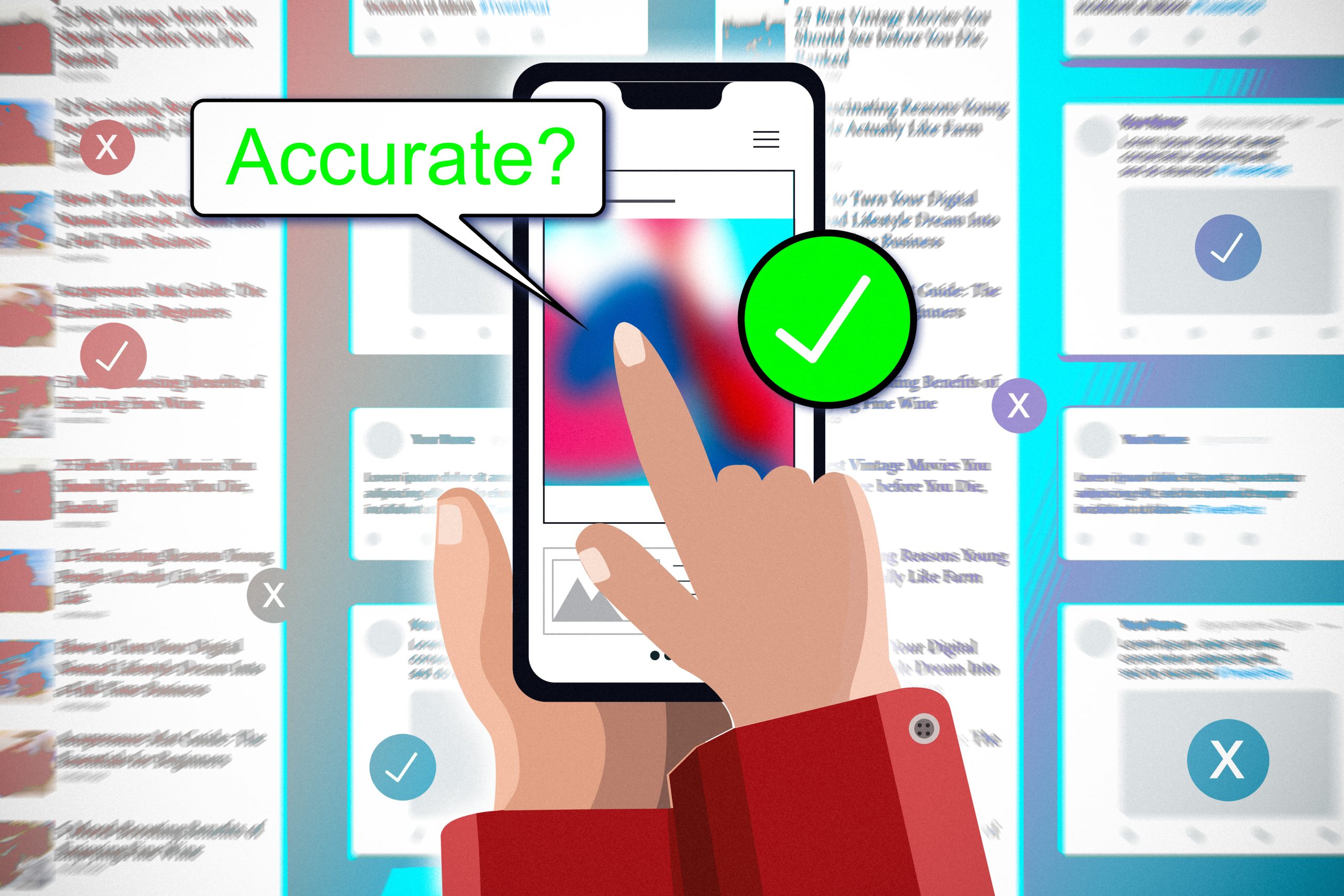
Researchers at MIT have pioneered an alternative strategy, developing a decentralized web browser extension called Trustnet, which empowers individuals to actively participate in identifying and flagging misinformation. This innovative tool shifts the responsibility of assessing content accuracy from centralized platforms to individual users, establishing a network of trust based on user-defined relationships. Unlike traditional approaches, the Trustnet extension operates universally across all websites, encompassing social media platforms, news aggregators, and video streaming services, offering a comprehensive solution to combat misinformation regardless of its source.
The Trustnet extension operates on a simple yet effective principle: users can assess the accuracy of online content by labeling it as accurate, inaccurate, or questionable, providing optional explanations for their assessments. Crucially, users can designate trusted sources whose assessments they prioritize. When encountering content evaluated by these trusted sources, the extension automatically displays their assessments, facilitating informed decision-making. This personalized approach empowers users to curate their information ecosystem based on their own network of trust.
Furthermore, the extension incorporates a follow feature, enabling users to expand their network beyond their immediate trusted sources and selectively view assessments from other users. This dynamic interaction fosters a community-driven approach to misinformation detection, where users can collectively contribute to a more informed online environment. Importantly, the extension actively checks links on visited webpages for assessments by trusted sources, providing visual indicators alongside links and even fading out links to content deemed inaccurate. This proactive approach helps users avoid inadvertently clicking on or sharing misinformation.
A two-week study involving 32 participants demonstrated the effectiveness of the Trustnet extension. Surprisingly, participants often chose to assess content beyond traditional news articles, including home improvement tips and celebrity gossip, highlighting the diversity of information users deem important to verify. This finding emphasizes the potential of a decentralized approach to cater to a wider range of user interests and content types, compared to the often narrower focus of professional fact-checkers. Participants also expressed their preference for assessments from non-professional sources, such as doctors for medical information or immigrants for content related to foreign affairs, further underscoring the value of personalized trust networks.
Despite its promise, the decentralized approach is not without potential challenges. One concern is the possibility of users becoming trapped in “echo chambers,” where they primarily encounter information confirming their pre-existing beliefs. To address this, researchers are exploring ways to structure trust relationships more effectively, potentially by suggesting reputable sources like the FDA for users to follow. This structured approach aims to balance individual autonomy with the need to access diverse and credible information.
Beyond misinformation, the Trustnet framework holds the potential for broader applications. For instance, users could employ the tool to filter content deemed insensitive towards specific groups, promoting a more inclusive online experience. The researchers believe further investigation into structured trust relationships and the wider implications of decentralizing information assessment is critical.
The Trustnet project challenges the prevailing notion that individuals are incapable of effectively assessing online content. By providing users with the tools and agency to identify and evaluate information within their own trusted networks, it offers a promising pathway toward a more informed and resilient online environment. This decentralized approach not only empowers individuals but also distributes the responsibility of combating misinformation, moving away from reliance on centralized authorities and embracing the collective intelligence of the online community. This shift promises a more democratic and adaptable solution to the pervasive challenge of online misinformation, one where users actively shape their own information landscape based on trust and shared understanding.